
2nd Theatre Debate
Our Theatre Debates turn democracy into performance — a creative space where citizens and youth take the stage to explore Europe’s most pressing issues.
Blending art, dialogue, and participation, each debate transforms political discussion into collective action and imagination.


16/01/2026 - 13/03/2026
WP12 - Theatre Debate 2: Cyprus
WP14 - Theatre Debate 2: Greece
WP11: Theatre Debate in Turin
Location: Turin, Italy
Organised by: Stranaidea SCS Impresa Sociale
Work Package: WP11
About the Event
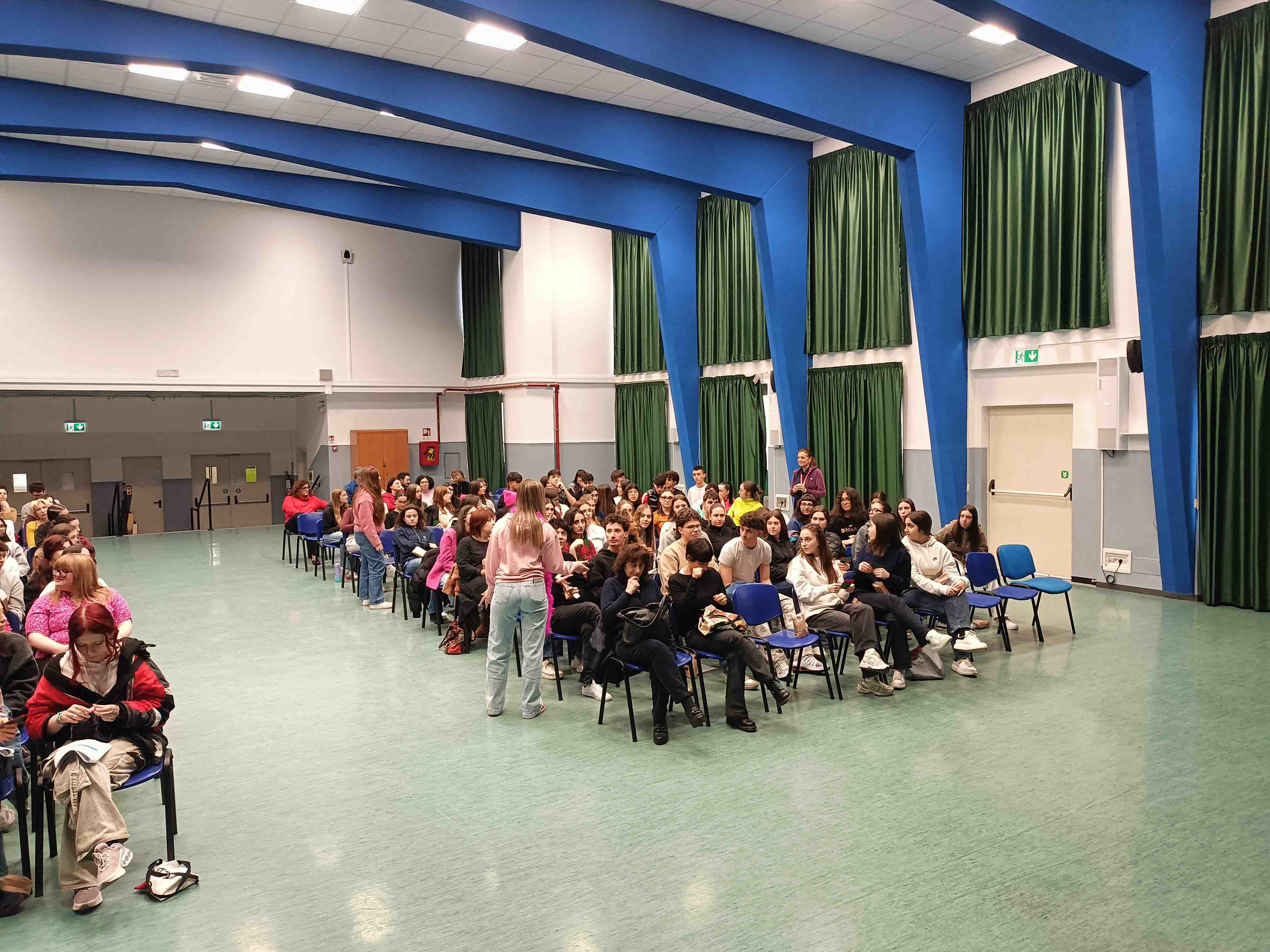
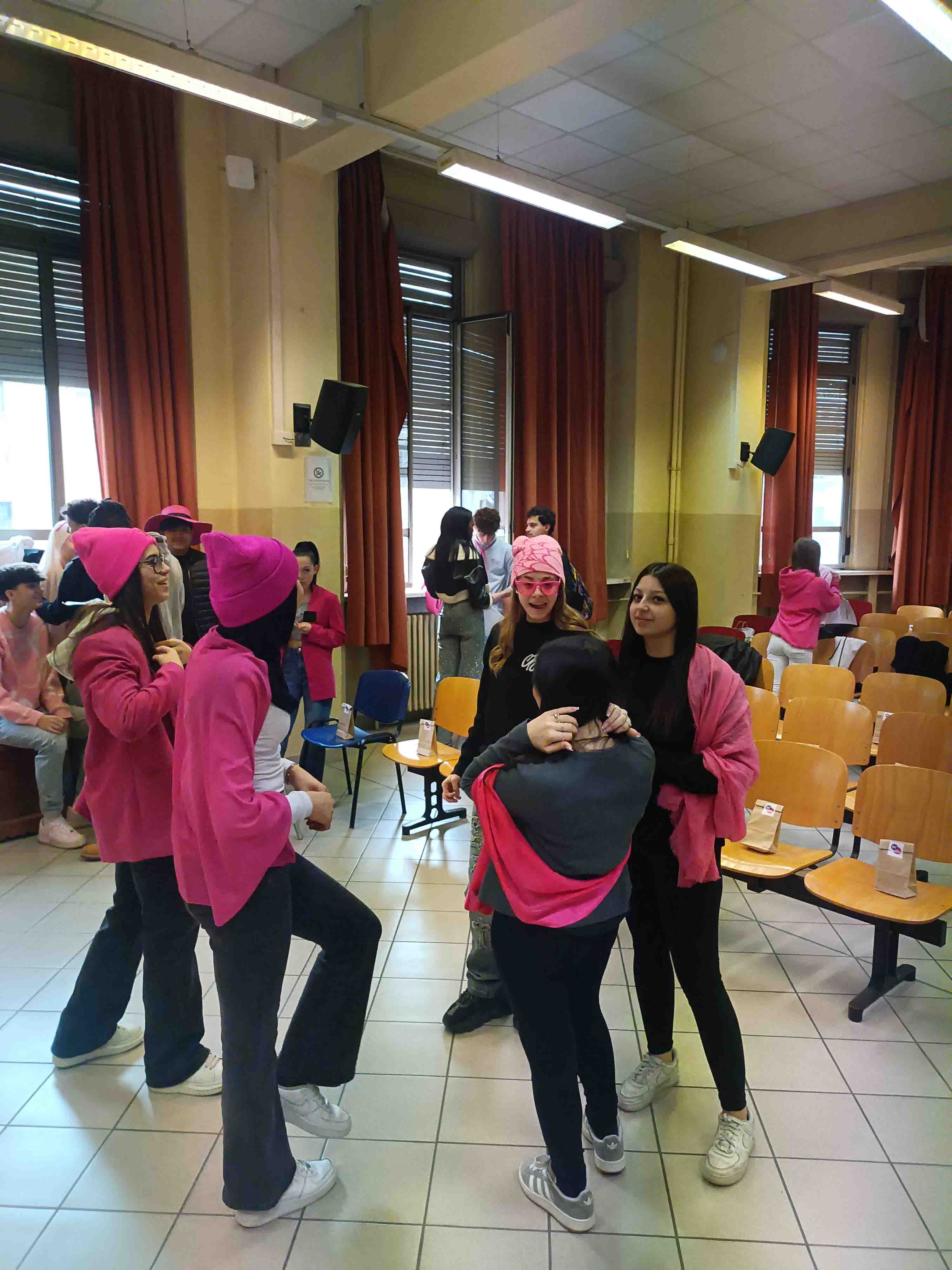
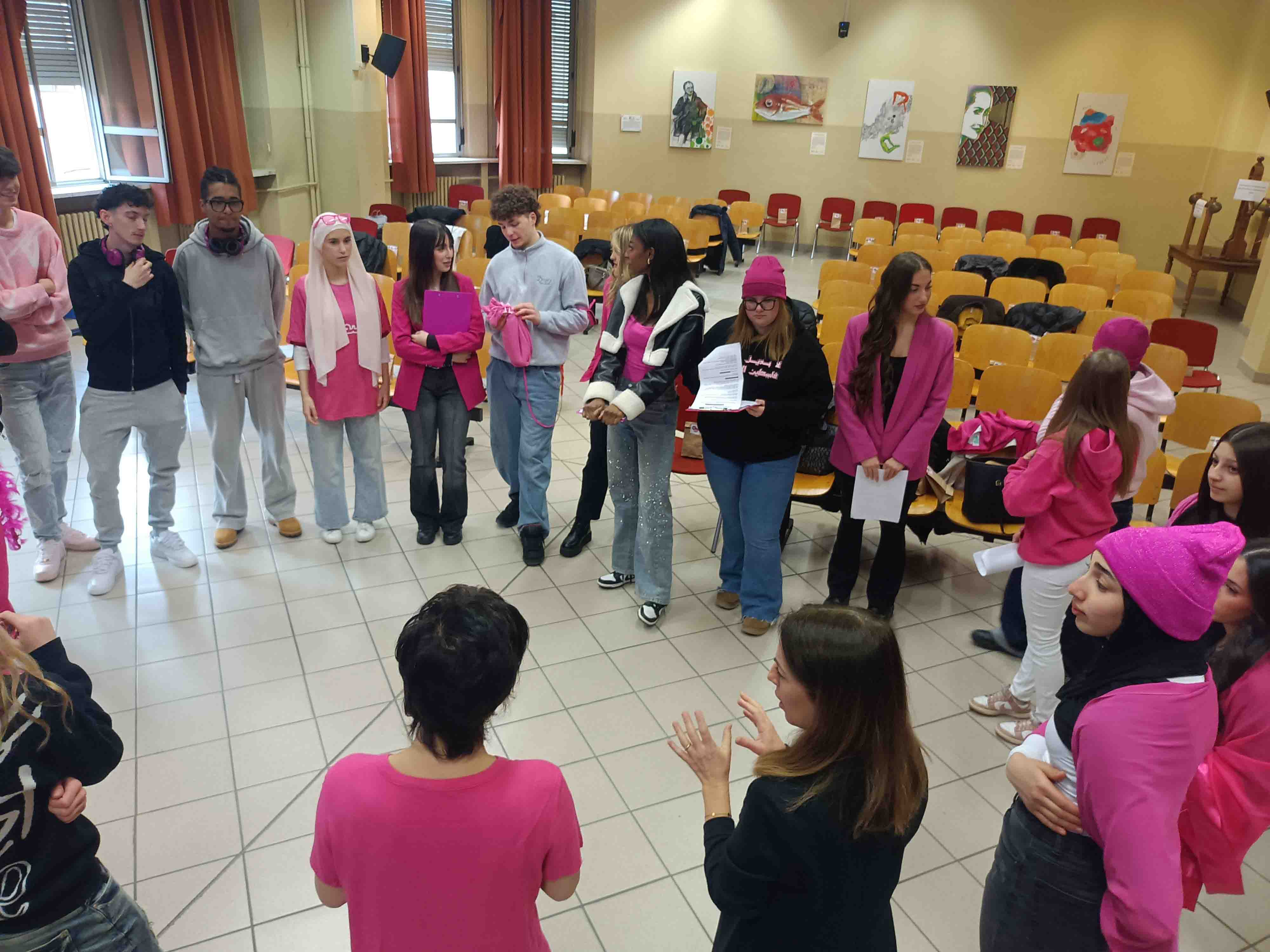
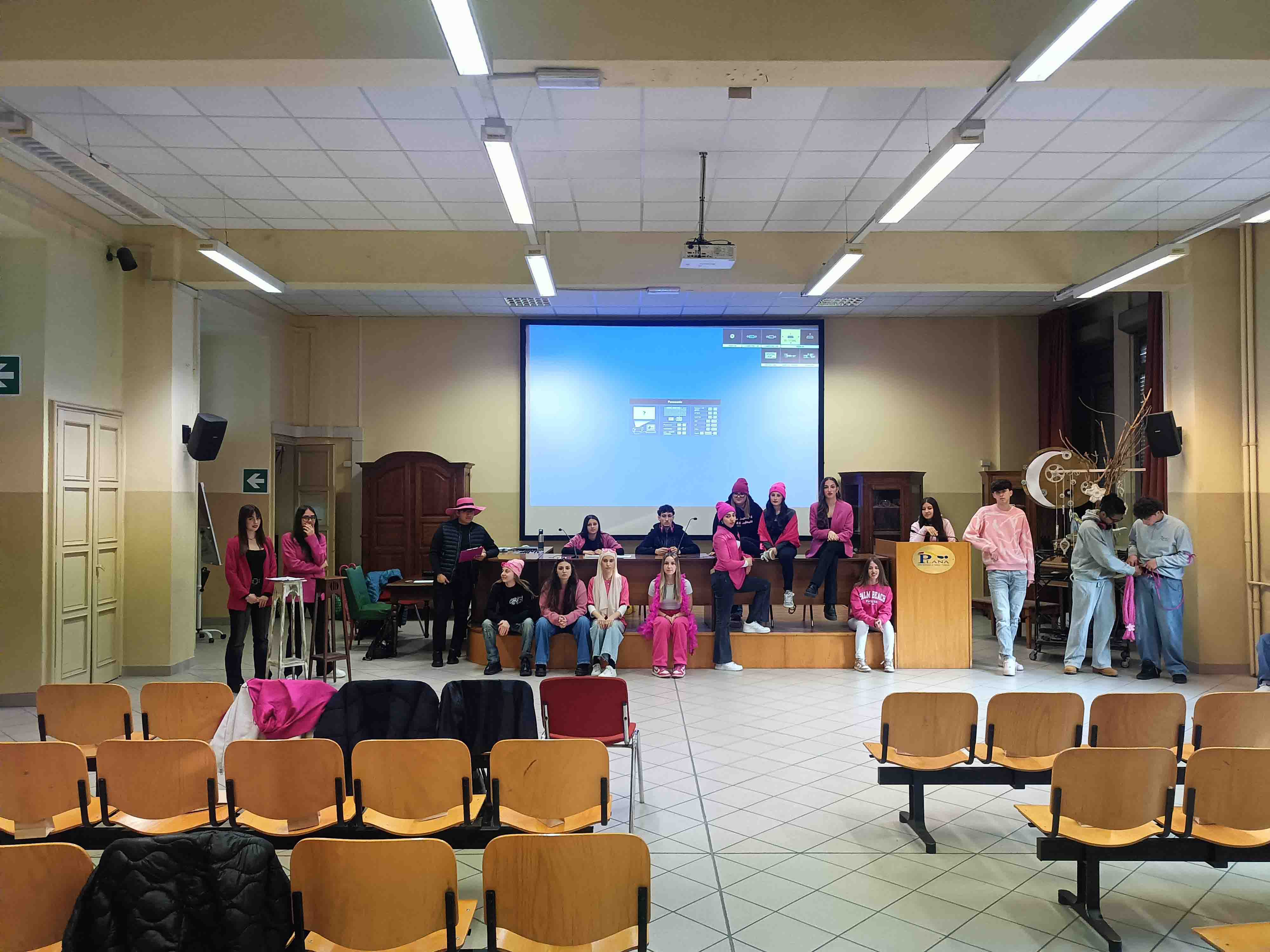
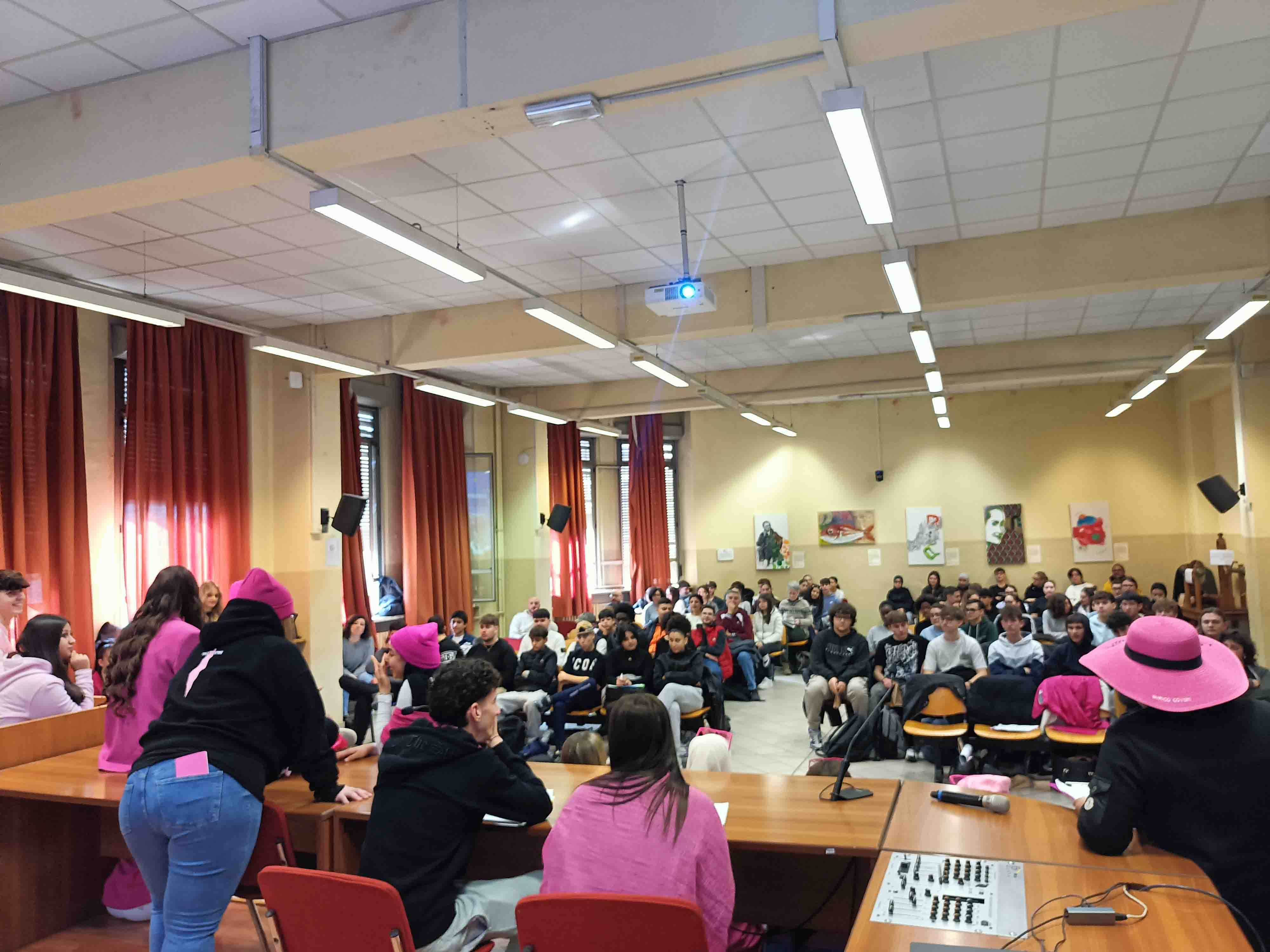
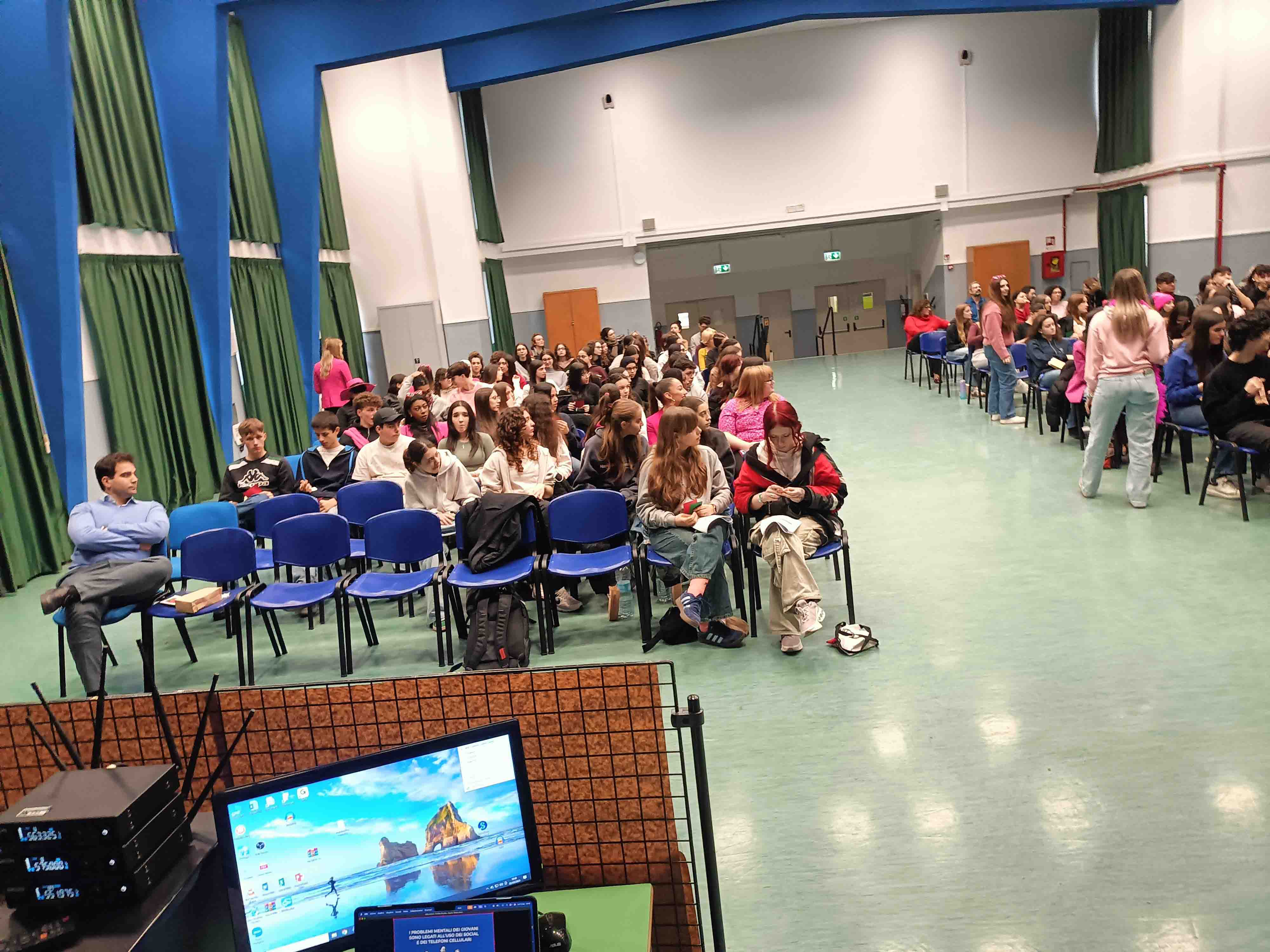
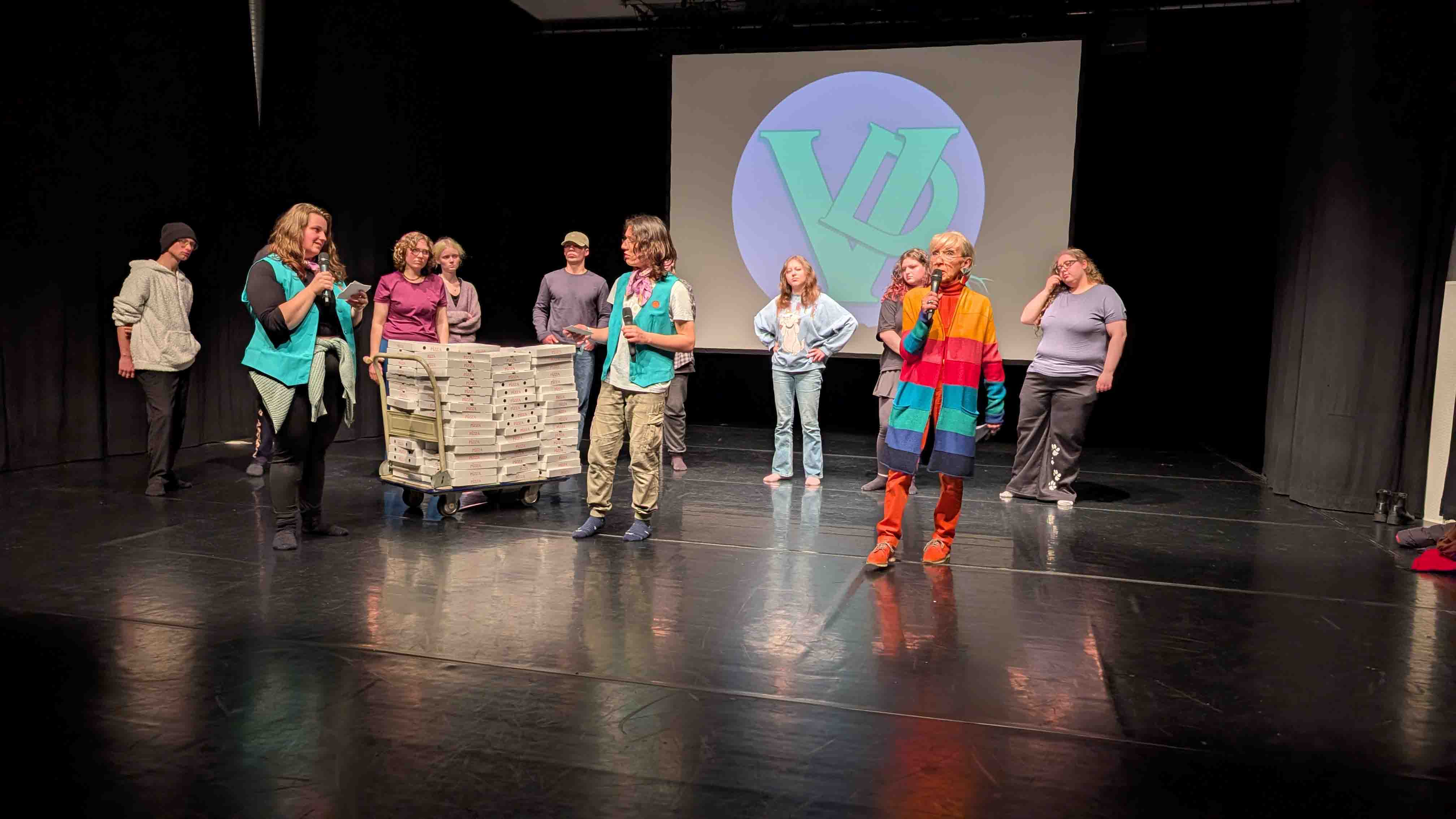
The second Theatre Debate in Turin was the result of months of preparation carried out within the EU HAVE A DREAM project. It was presented in two editions in two different high schools in Turin, allowing the team to test the format with different school communities while also helping the young participants grow more confident in both the format and their performance. The first edition took place on 27 February 2026 in the Aula Magna of Istituto Superiore Plana, the school that had hosted the preparatory workshop. The second edition followed on 2 March 2026 in the Aula Magna of Liceo Berti. Both editions generated strong audience participation and meaningful moments of reflection and discussion.
Key Highlights
Two school based editions:
The debate was staged at Istituto Superiore Plana and Liceo Berti, creating opportunities to engage with different types of students and school environments while strengthening the confidence of the young performers.
Participatory art installations:
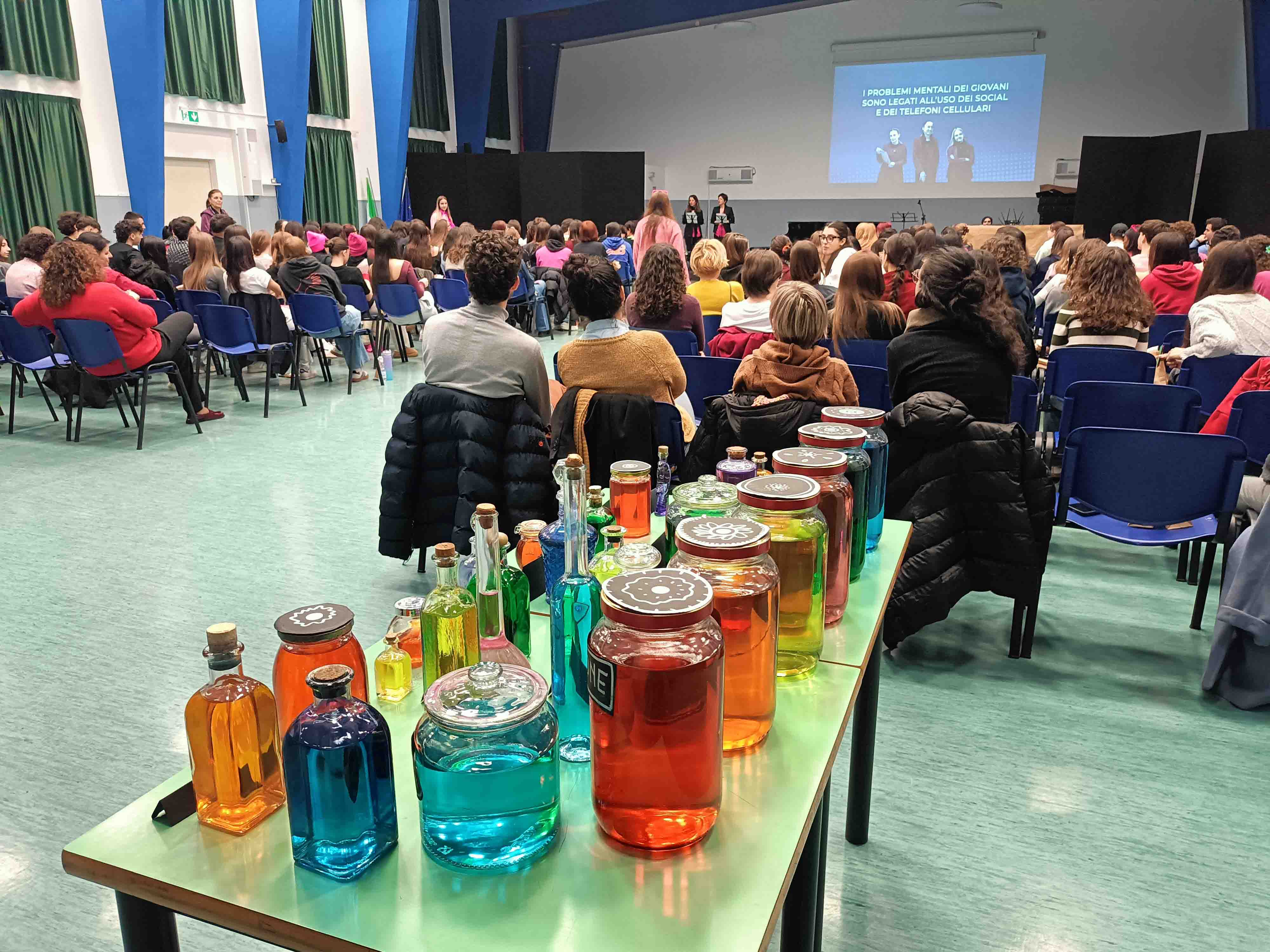
At the entrance, audiences engaged with two interactive installations. The first, The Atelier of Emotions, presented jars filled with coloured water, each representing emotions such as anxiety, fear, sadness, hope, trust, and loneliness. Participants could catalogue an emotion in a small jar and either keep it or add it to the project’s emotional archive. The second installation, “Dear parents, dear teachers, dear politicians: you must understand that…”, invited young people to post messages in letterboxes addressed to adults, some of which were later read aloud during the performance.
EU HAVE A DREAM Box:
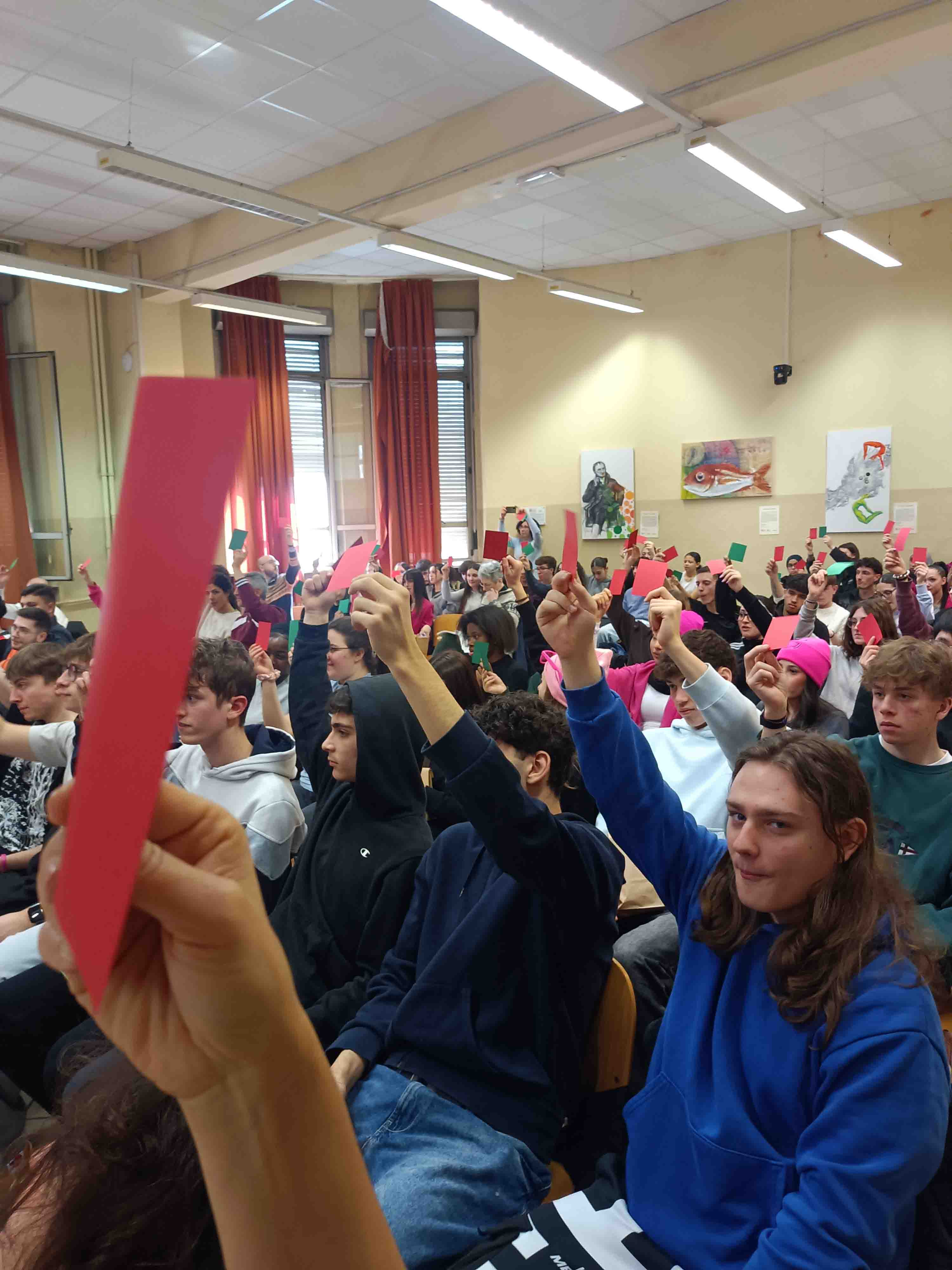
Each audience member received a small participation kit containing materials for the debate activities, including a pencil, red and green voting cards, and a “birth certificate from the registry of dreams.”
The candidate Vera Demaah:
The performance introduced Vera Demaah, a collective character embodied by the young participants. After a video montage showing negative stereotypes about Generation Z, the 21 young people entered the stage, introduced themselves through personal traits such as a dream, fear, or hope, and presented Vera Demaah as their collective candidate for the European Parliament.
Youth led focus on mental health:
The central phase of the debate focused on themes selected by the young participants, especially mental health, with specific attention to eating disorders and affective and sexual education. Three local stakeholders contributed to the debate:
Acmos, speaking about adolescent mental well being and awareness,
Cooperativa Stranaidea, exploring eating disorders through youth work experience,
and a gynecologist and Instagram educator, addressing affective and sexual education, consent, and gender equality.
Interactive discussion methods:
After each presentation, participants used the materials from the EU HAVE A DREAM box to reflect, vote, exchange views in small groups, and share proposals publicly. This made the audience active protagonists of the event rather than passive spectators.
Participation
Total participants: 215 from 4 countries.
Gender distribution: 130 female, 75 male, 10 non-binary.
Conclusions
The second Theatre Debate in Italy successfully blended performance, participation, and civic reflection, giving young people the space to challenge stereotypes and bring urgent issues affecting their generation to the centre of public discussion. The high level of audience engagement in both school editions showed the strength of the format in creating meaningful dialogue. The insights and learning from this debate will directly feed into the next phase of EU HAVE A DREAM, particularly the international theatre debate in Brussels.
WP12: Theatre Debate in Cyprus
Location: Paphos, Cyprus
Organised by: OTI Group
Work Package: WP12
About the Event
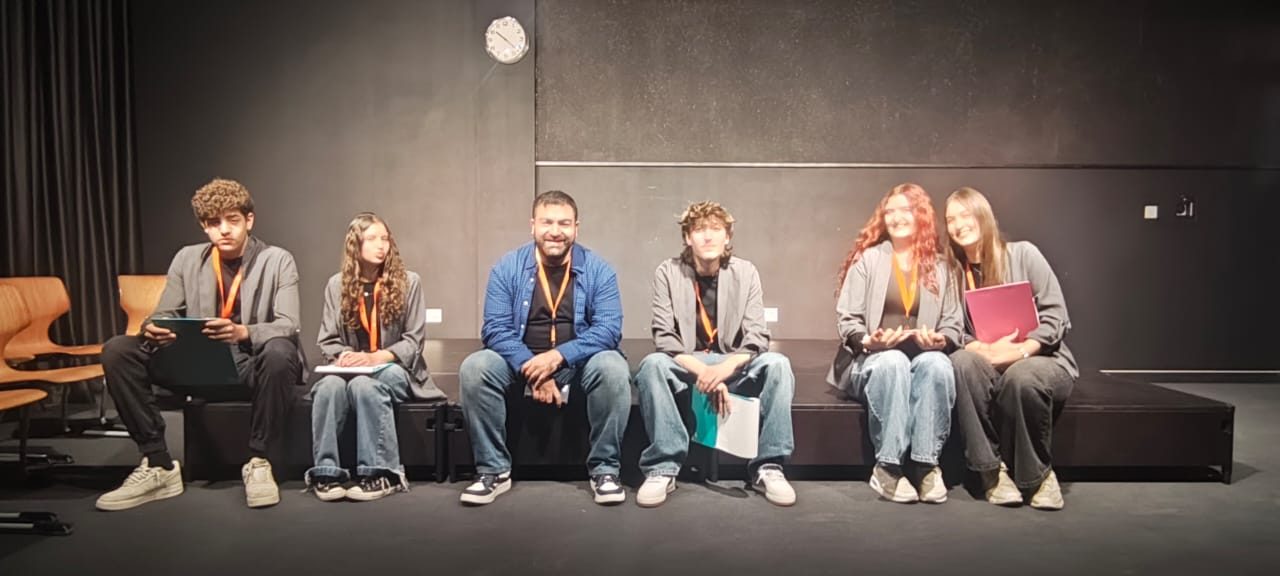
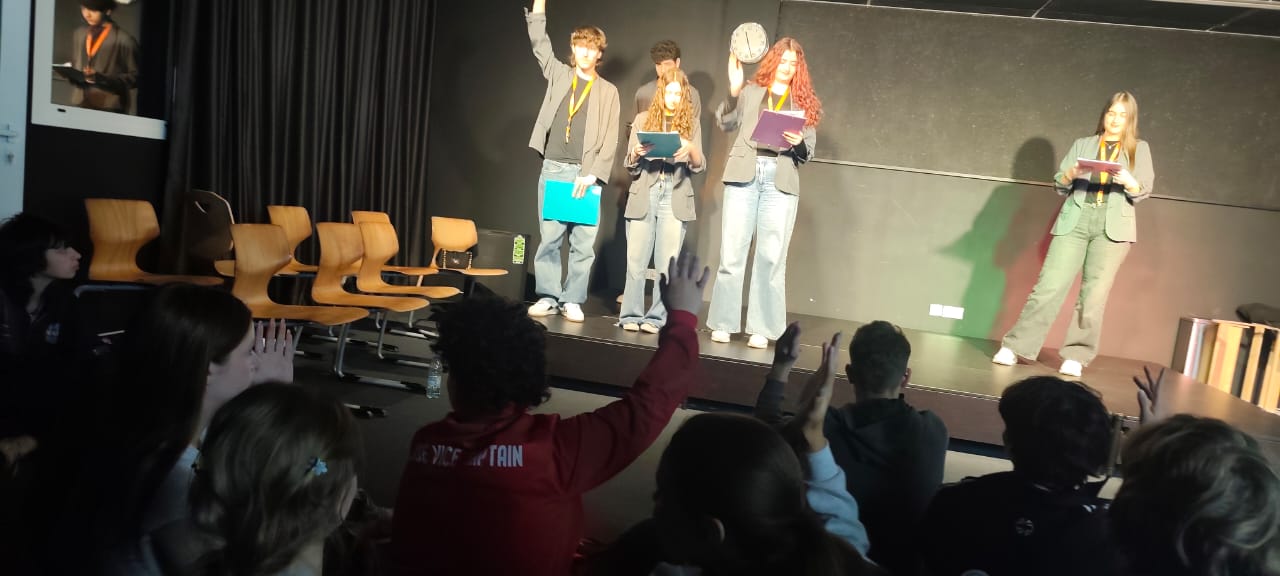
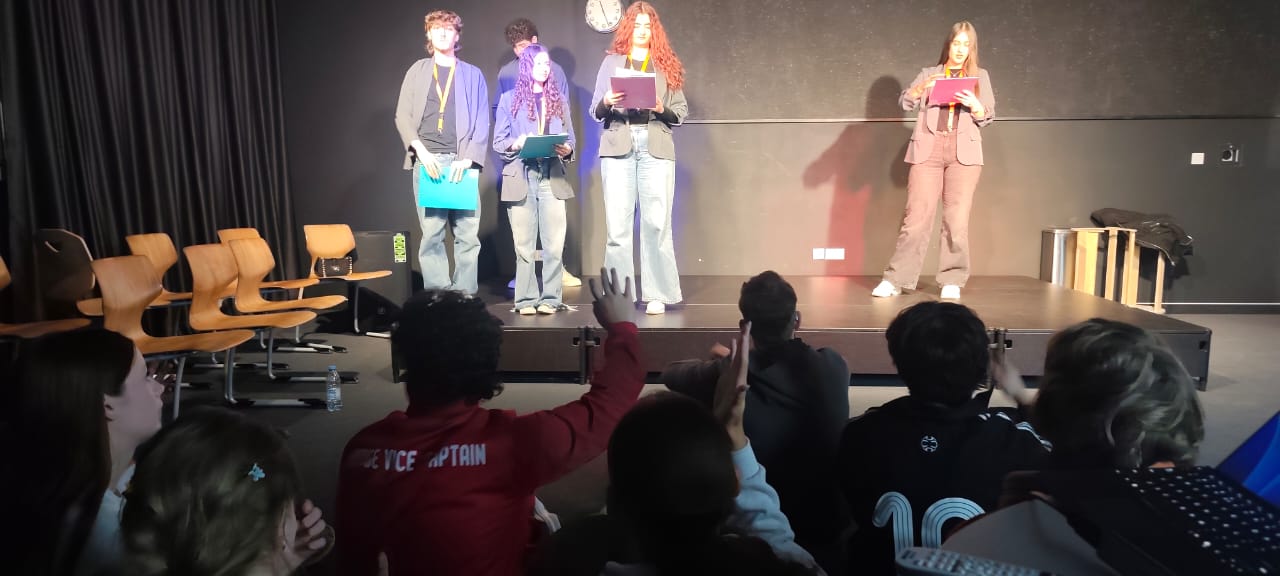
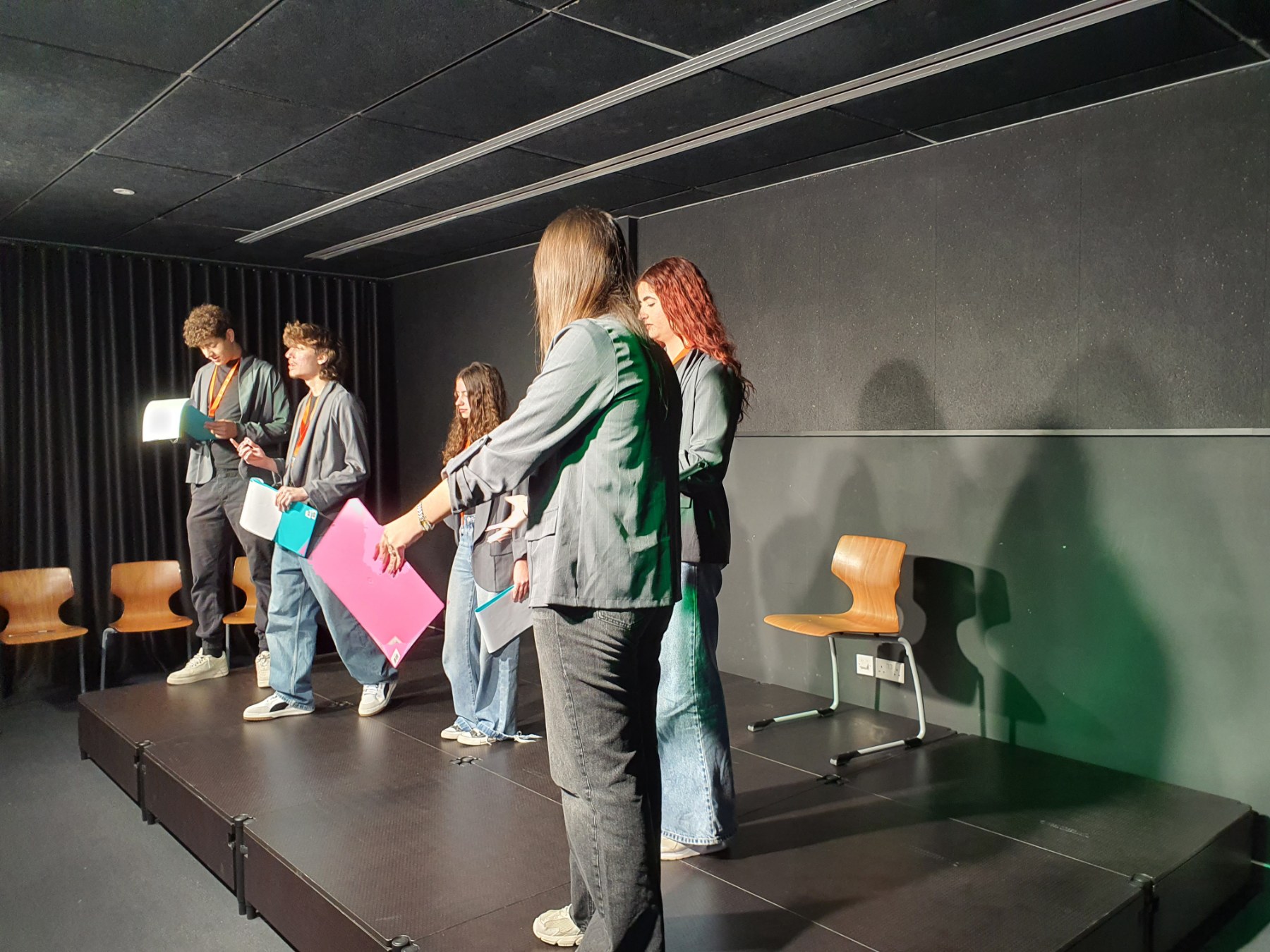
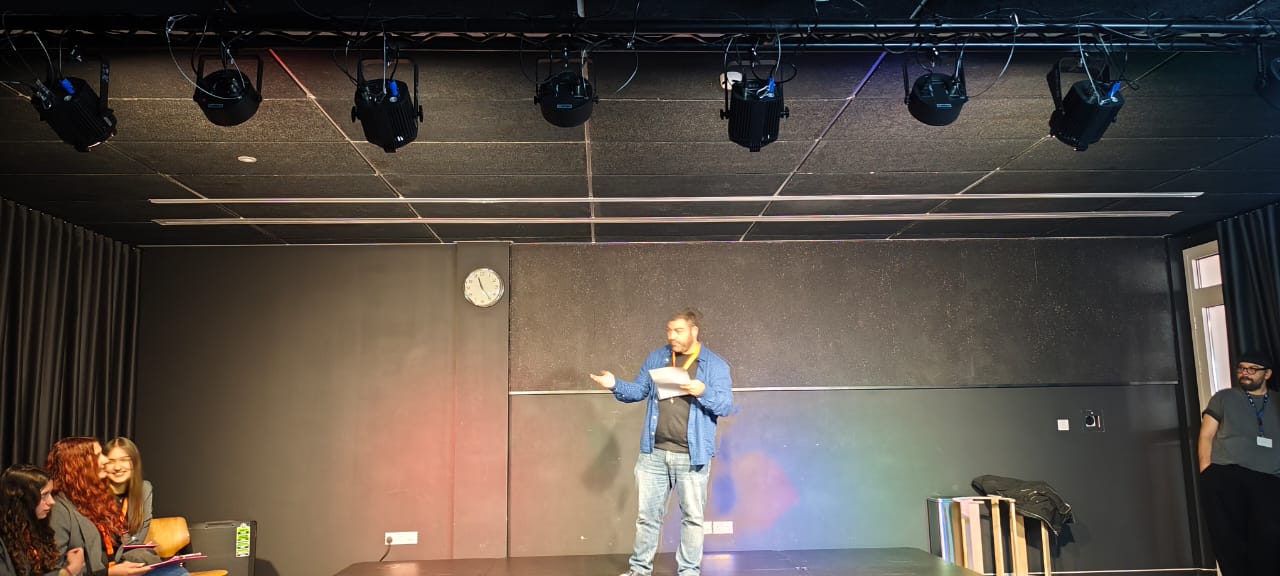
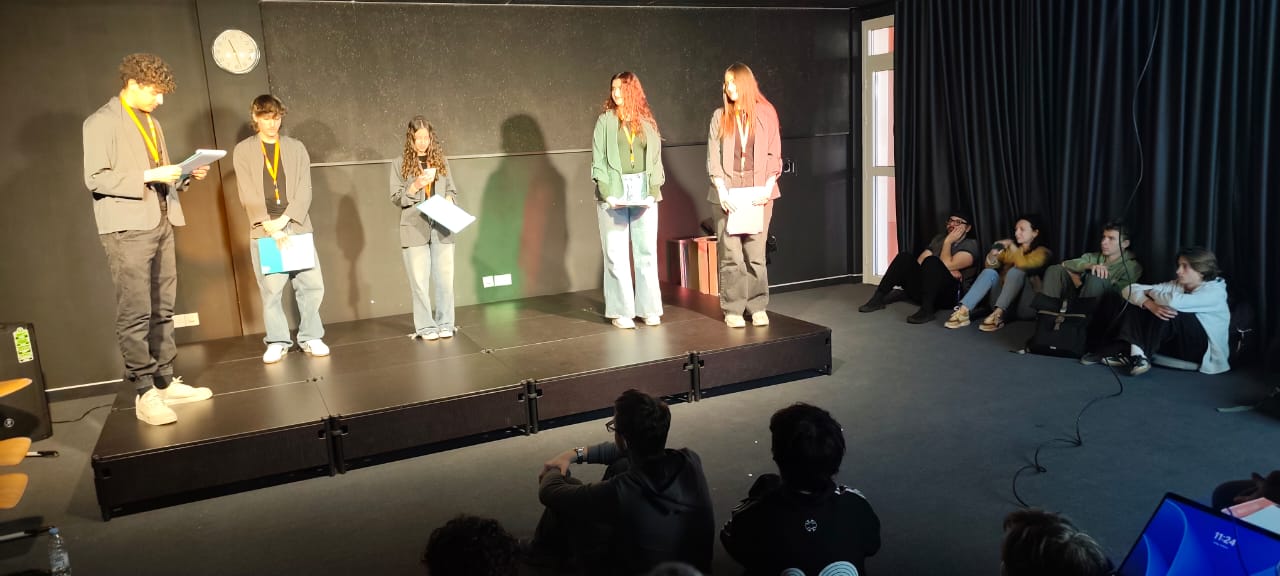
The second Theatre Debate in Cyprus was developed through an extended preparation pathway that combined artistic creation with democratic dialogue. In advance of the final event, seven workshops were organised between 16 January 2026 and 10 March 2026, gradually guiding participants from topic exploration and trust building to role development, rehearsal, audience interaction planning, and final presentation readiness. The in situ Theatre Debate was then delivered on 13 March 2026 at Lumio Private School in Paphos, an international school community representing 15 nationalities, which strengthened the intercultural and inclusion dimension of the activity.
Key Highlights
Seven workshop preparation process:
The Cyprus debate was built through a structured series of seven preparatory workshops. These sessions introduced participants to the EU HAVE A DREAM methodology, helped them reflect on youth wellbeing and harmful language, and supported them in shaping both the artistic and discussion elements of the final event.
Youth led focus on wellbeing and dignity:
The debate addressed four central themes chosen and developed through the preparation process, mental health, hate speech, peer pressure, and self esteem. Participants explored how these are not only personal experiences, but also issues connected to school climate, inclusion, participation, and public responsibility.
The three voices of Charis Dima:
A key performative element was the use of the three voices of Charis Dima, which allowed participants to express different emotional truths within one shared identity. Through this format, the performance gave space to exhaustion, vulnerability, resilience, anger, and the desire to be heard.
Participatory and emotionally grounded structure:
The event combined theatrical scenes with direct audience engagement. It opened with participatory questions about silence, emotional pressure, and hurtful words, then moved through dialogue scenes, a silent performance sequence, a monologue on conformity and self doubt, a collective song about solidarity, and a closing civic message about institutional responsibility and youth voice.
Safe and inclusive dialogue process:
Because the format depends on active participation, the group carefully prepared how to involve the audience without exposing or shaming anyone. A safeguarding and wellbeing framework was integrated throughout the preparation process, including respect for different experiences, the right not to disclose personal information, and support pathways in case participants felt distressed.
Practical recommendations for schools and communities:
The debate led to a number of concrete follow up directions, including the need for visible and accessible school based support pathways, clearer boundaries around harmful language, regular opportunities to discuss emotional wellbeing without stigma, peer support actions that strengthen solidarity, and stronger youth involvement in decision making processes affecting school life.
Participation
Total participants: 224 from 12 countries.
Gender distribution: 118 female, 103 male, 2 non-binary, 1 preferred not to say.
Conclusions
The second Theatre Debate in Cyprus successfully connected performance, reflection, and democratic participation around urgent issues affecting young people’s everyday lives. By combining theatre with moderated discussion, the event created a space where students, educators, parents, and wider community members could listen, respond, and co formulate recommendations. Its intercultural school setting added particular value to the discussions on belonging, respect, and inclusion. The debate showed that topics such as mental health, hate speech, and self esteem are not private matters alone, but central concerns for schools, communities, and institutions that want to support young people more meaningfully.
WP13: Theatre Debate in Germany
Location: Gelsenkirchen, Germany
Organised by: Forum kunstvereint e.V. / Consol Theater
Work Package: WP13
About the Event
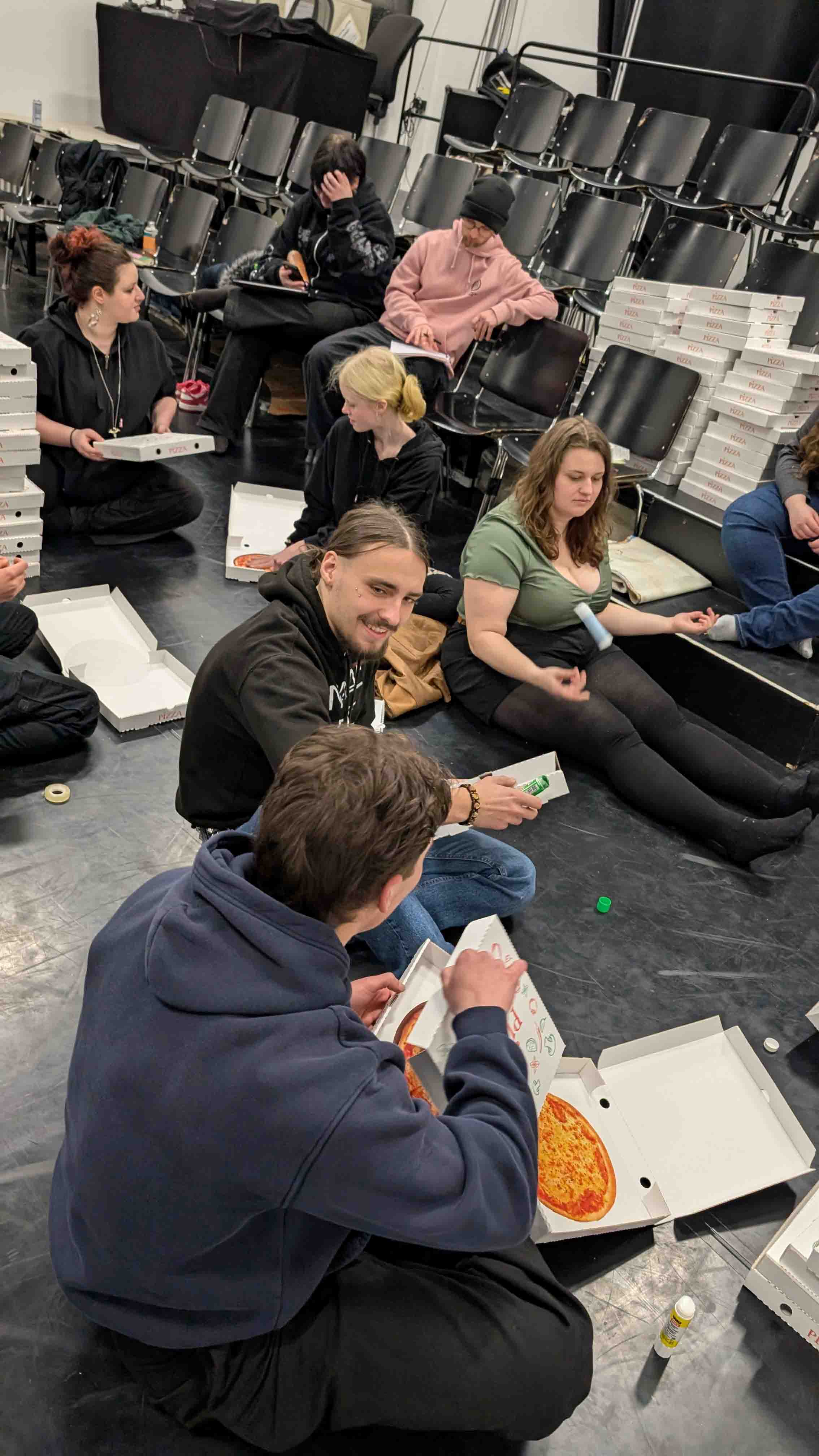
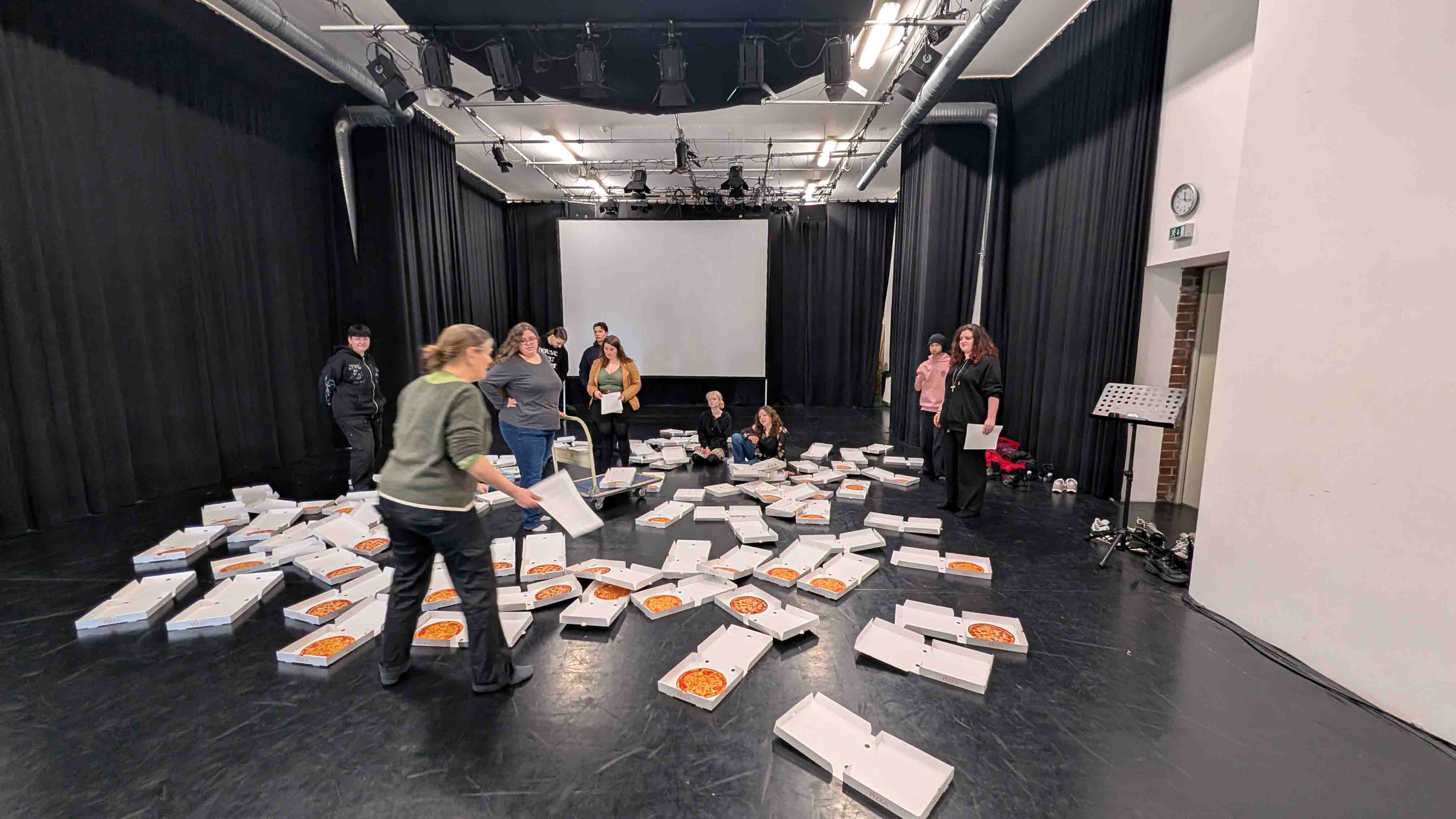
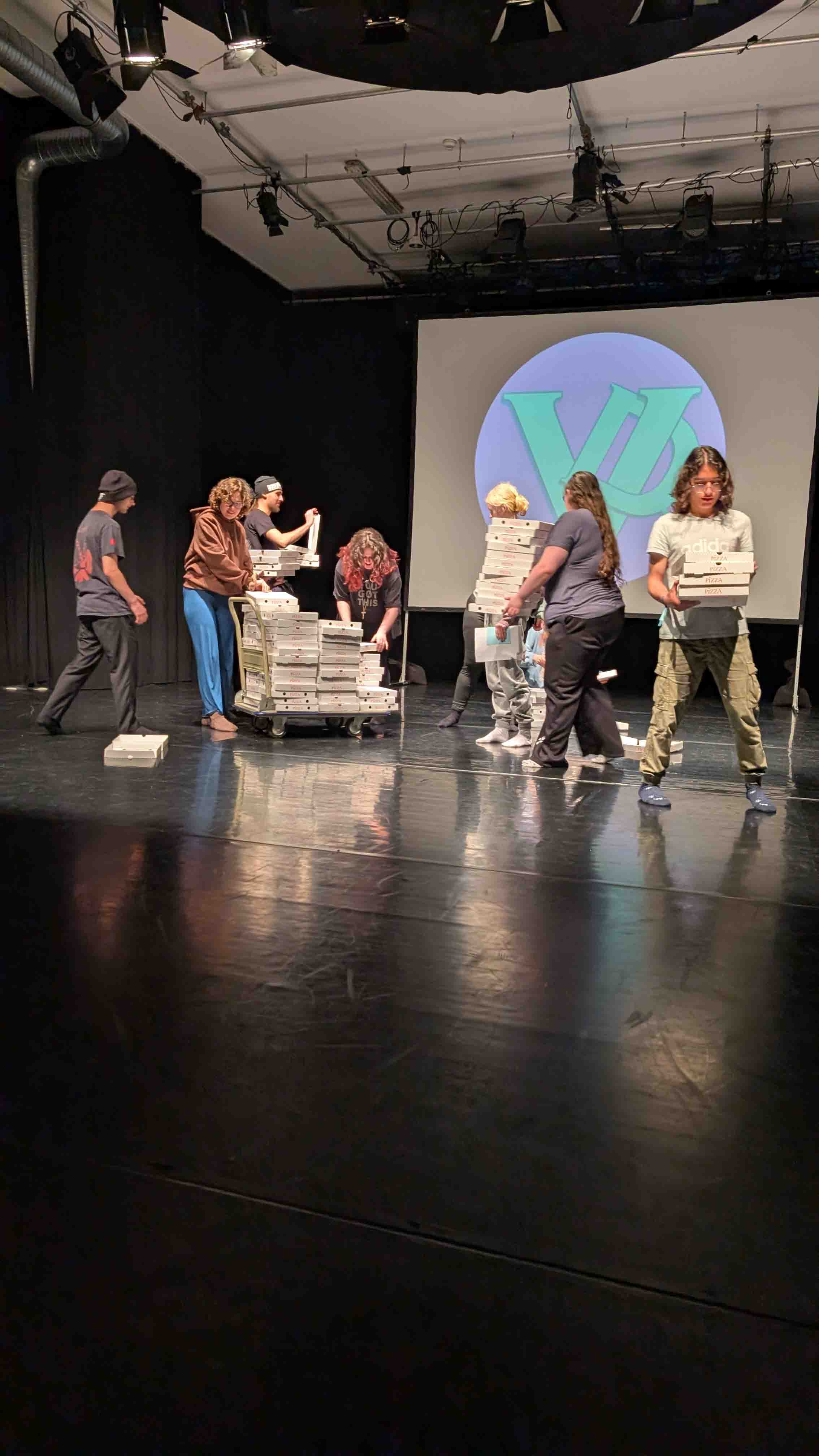
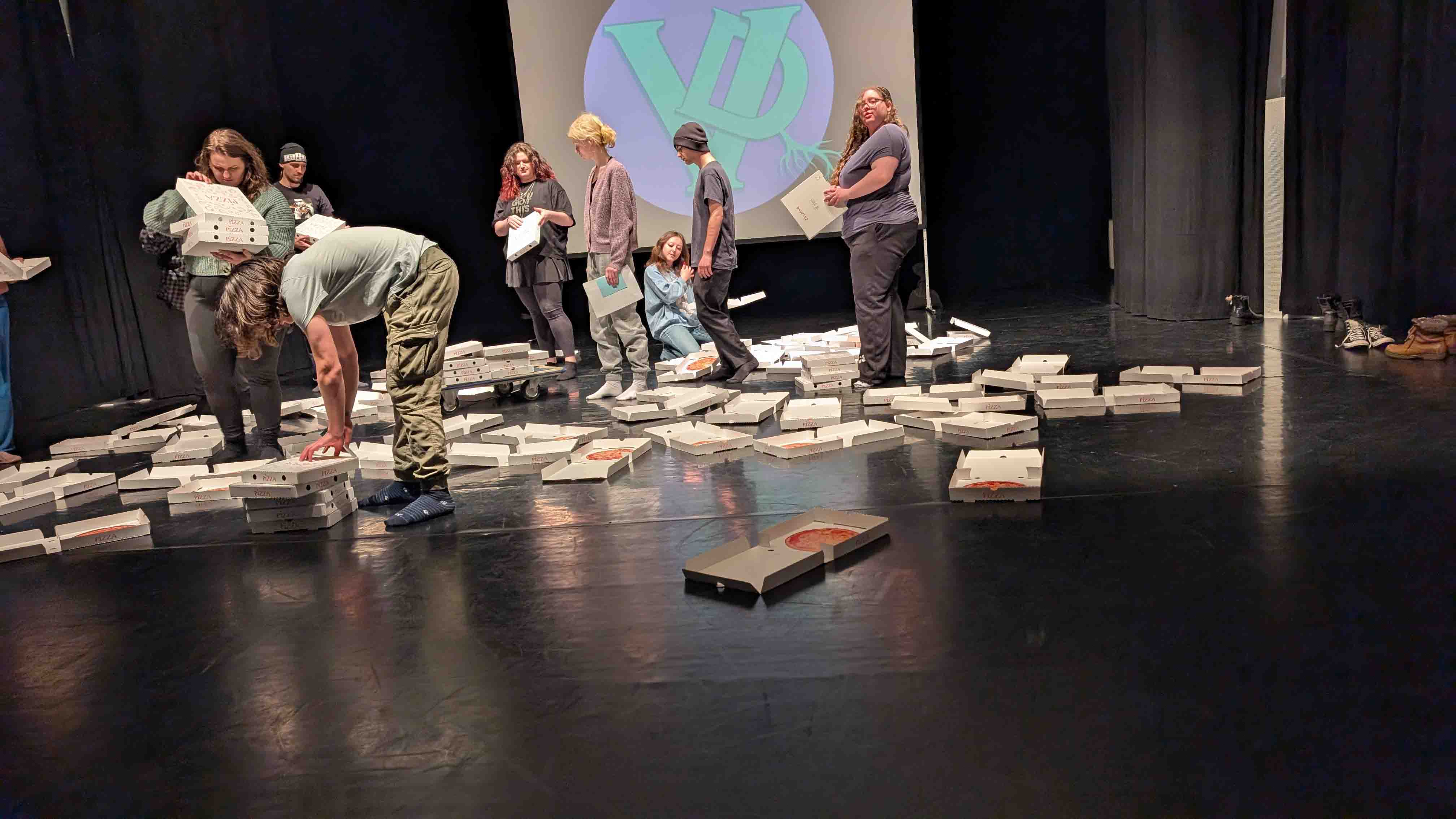
The second Theatre Debate in Germany was developed through a long preparation process that combined workshops, intergenerational exchange, political observation, interviews, and meetings with experts and politicians. The preparation ran across several dates between 25 October 2025 and 27 March 2026, helping participants reflect on political involvement, future visions, democracy, and social responsibility. The final debate performance lasted around 70 minutes and was presented in Consol Theatre, involving a vocational school and a comprehensive school. Compared with the first debate, this edition was more artistic in form and incorporated musical and choreographed elements to express the participants’ emotions and ideas with greater depth and complexity.
Key Highlights
Extended preparation process:
The preparation included several exchange formats focused on political participation and future visions. Participants took part in a theoretical workshop with Meram Irina Pienaru on politics, participation, and imagining the future, as well as meetings with young people from different social backgrounds, senior citizens, experts, and politicians.
Mapping emotions and future concerns:
One of the early workshop phases invited young people in Gelsenkirchen to reflect on what emotions politics currently triggers in them and what emotions arise when thinking about the future. Their responses were turned into clusters of values, concepts, and questions. Two strong themes emerged, integration, including respect, transparency, civil courage, honest communication, and security, and concerns about the future of economy and work, including AI, job insecurity, wages, taxes, and how other countries manage these issues differently.
Intergenerational meeting:
A dedicated preparation phase focused on dialogue with older citizens. Participants developed questions about the intergenerational contract and generational conflict, prepared methodologies for the exchange, and used interviews to open conversation. According to the report, this process helped reduce prejudices.
Direct contact with institutions and political actors:
The group met with Hannah Trulsen, attended a city council meeting, interviewed Sven Lütkehaus from Paritätischer Wohlfahrtsverband, and visited the North Rhine-Westphalia State Parliament, where they also entered into dialogue with two female members of parliament. These experiences helped participants observe political debate directly and better understand how and why people enter politics.
A more artistic theatre debate format:
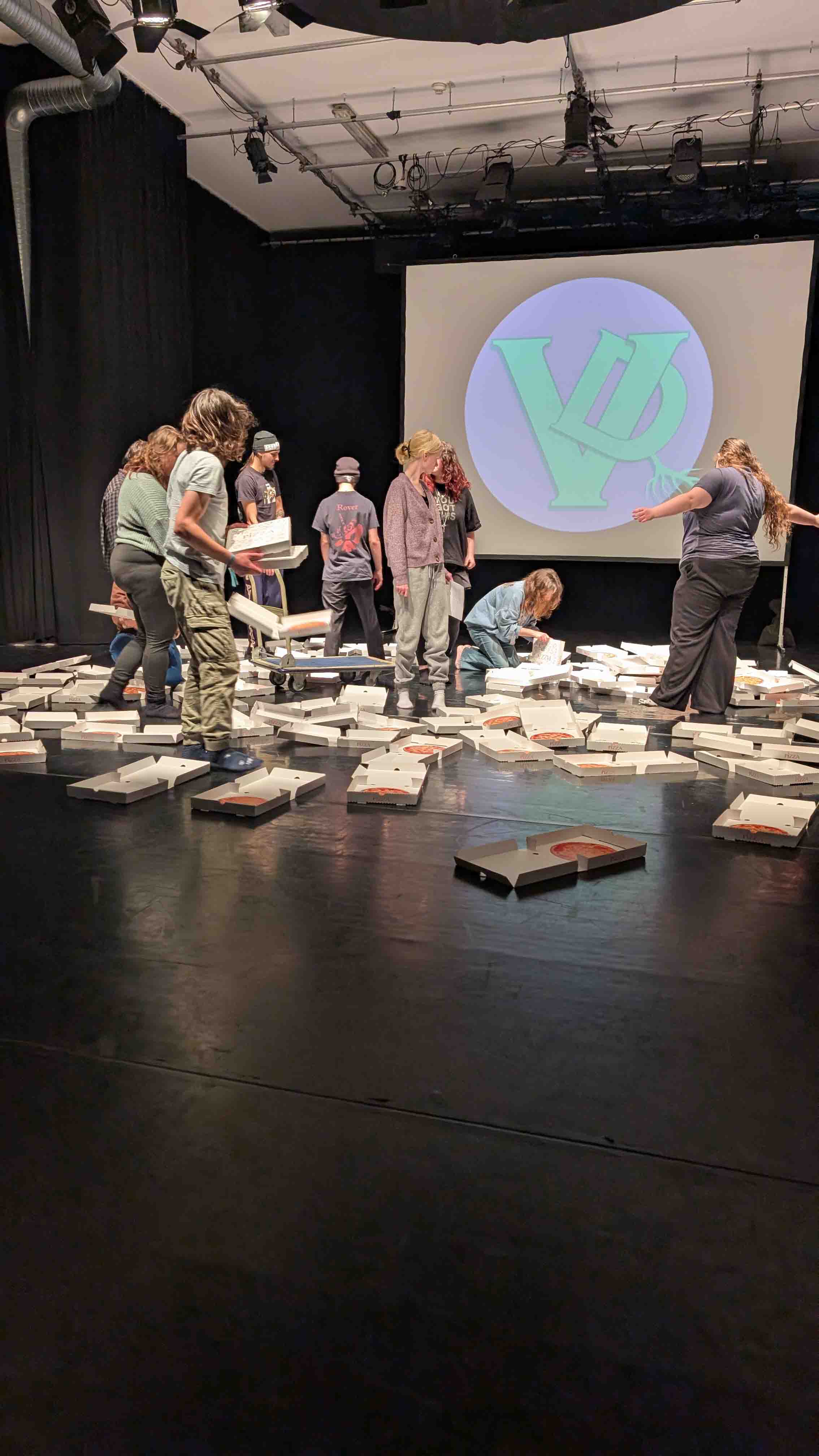
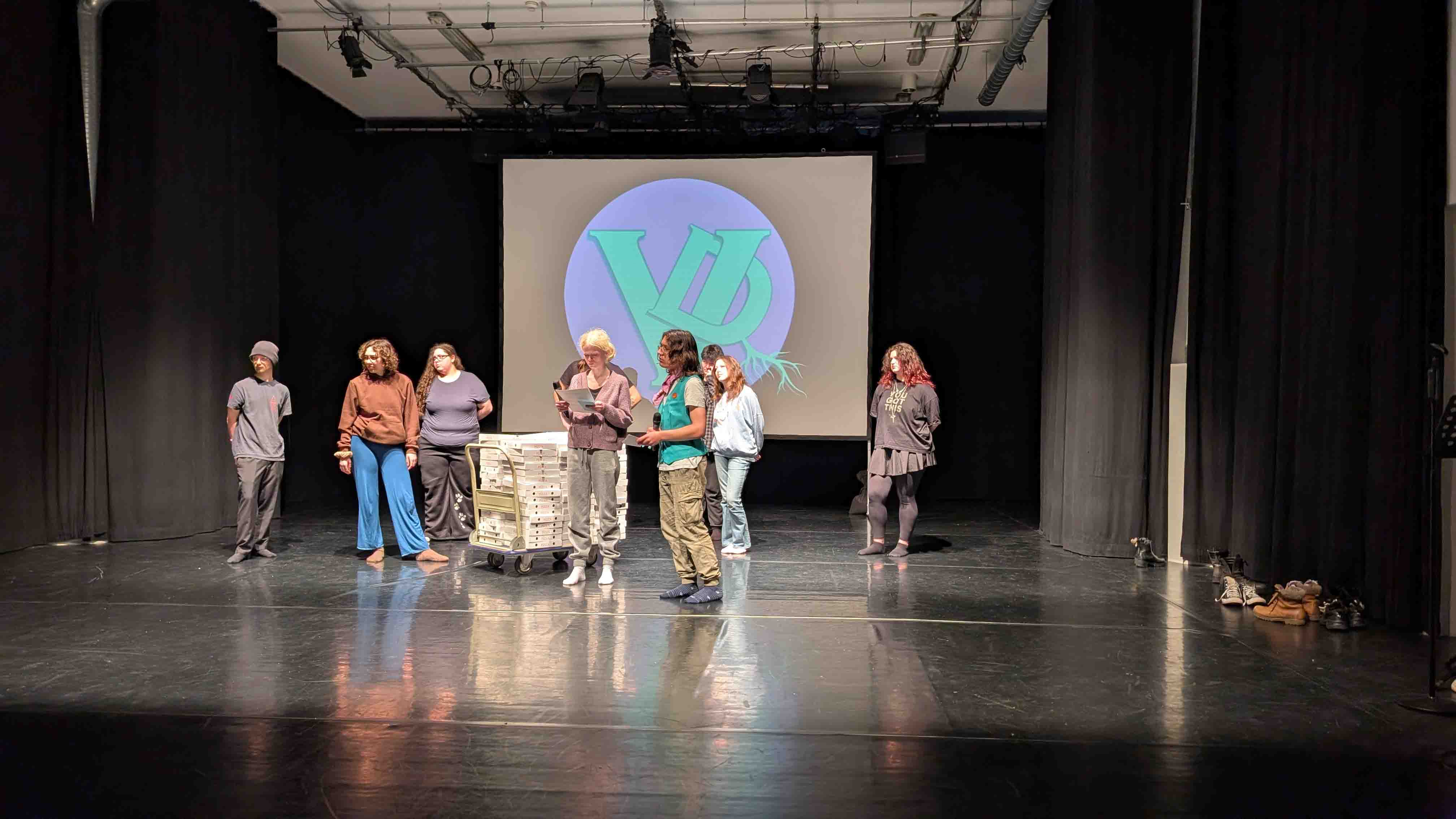
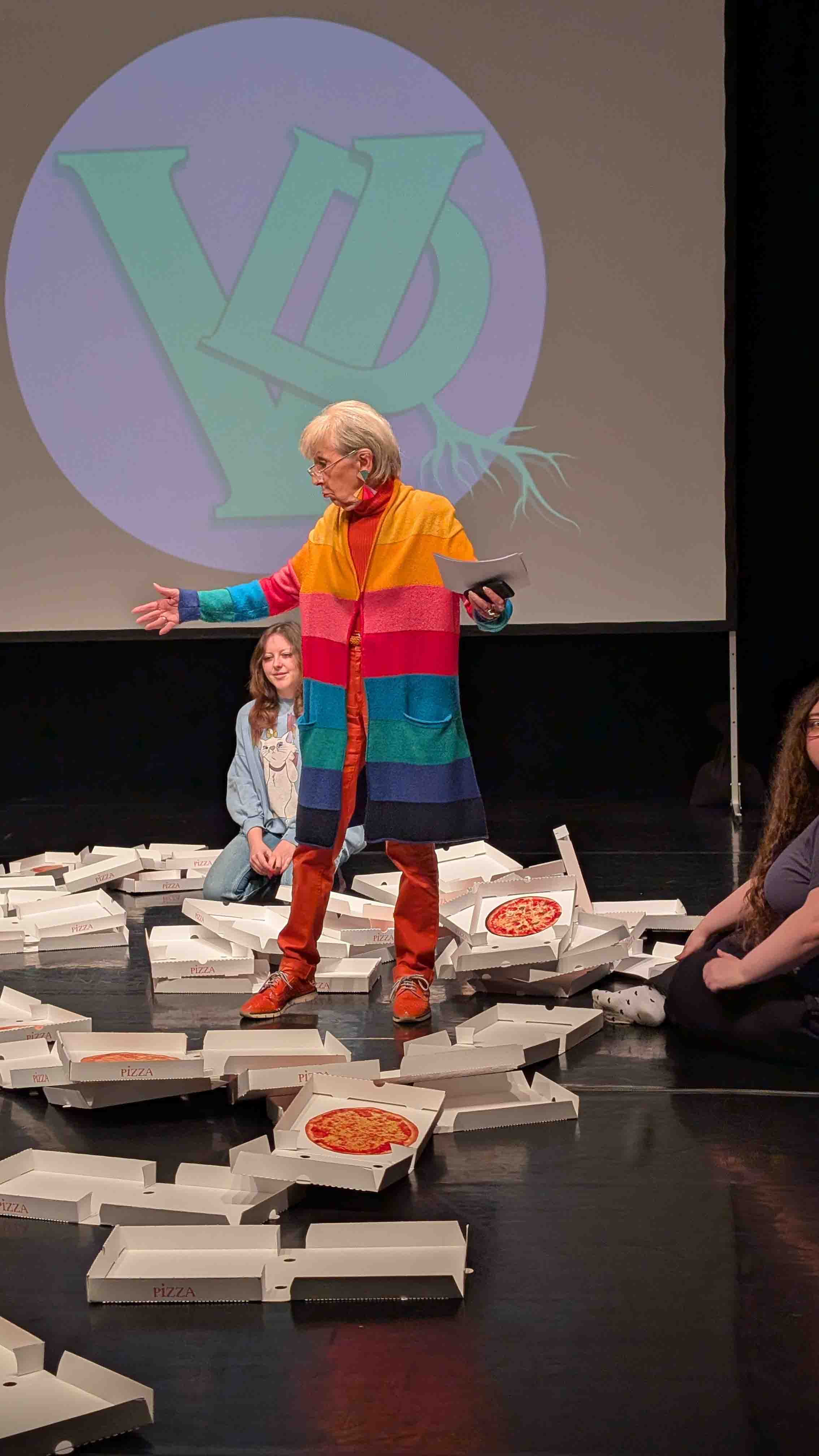
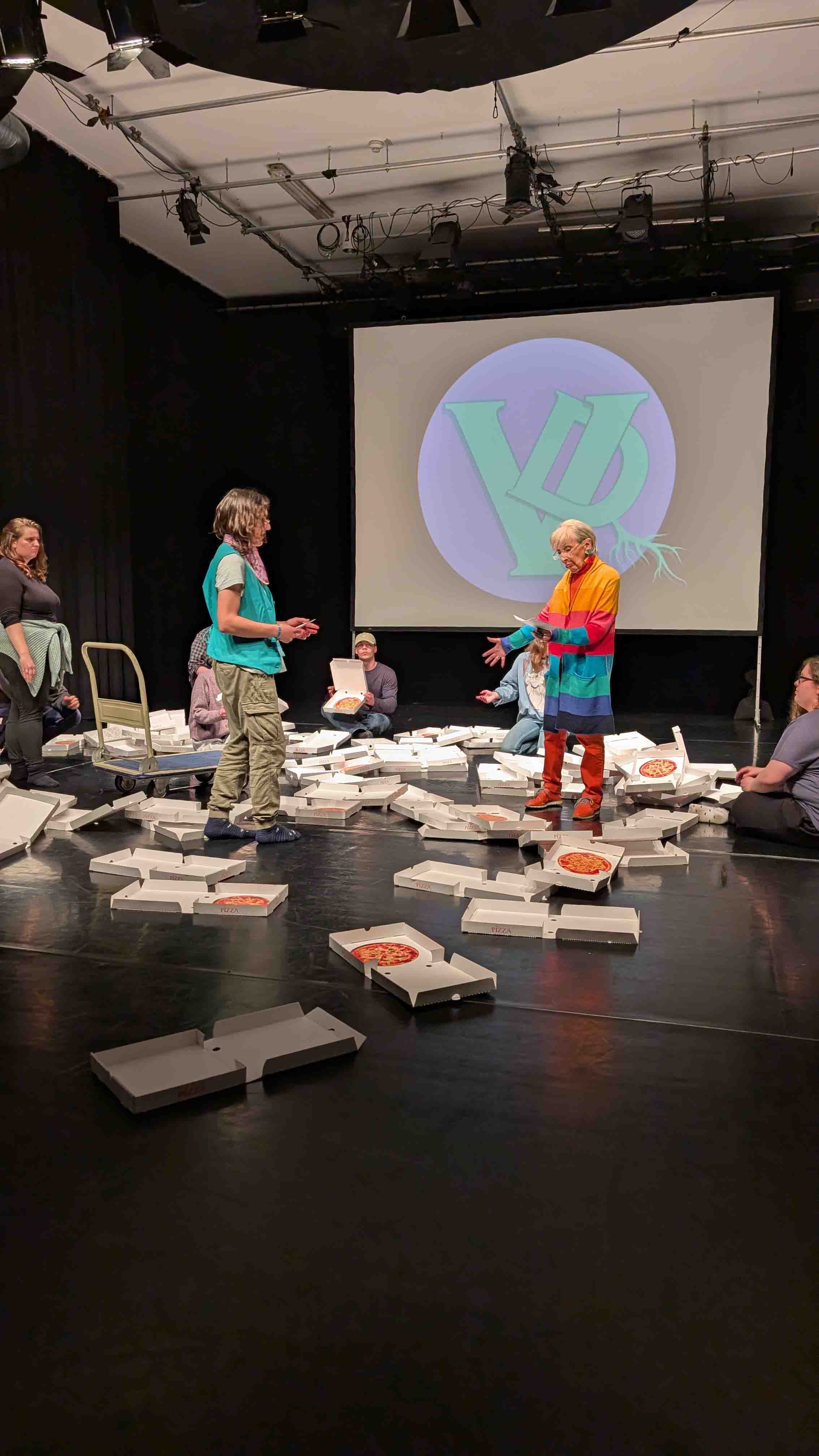
The final debate was explicitly described as more artistic than the previous one. It used video, dance choreography, music, and staged interaction to explore democracy, power, individuality, and resistance. A visualised explanation of the German pension system, audience interviews, a song about the misuse of power, and a staged conflict involving a “false Vera” all helped make political issues accessible and emotionally engaging.
Strong audience interaction:
The audience was involved from the beginning through a survey about wishes for the future and later through interviews, phone based reflection, voting, and the collective writing of demands for politicians on a large banner. The debate deliberately turned spectators into active participants in the discussion about democracy and public responsibility.
Participation
Total participants: 202 from 4 countries.
Gender distribution: 126 female, 75 male, 1 non-binary.
Conclusions
The second Theatre Debate in Germany combined participatory theatre with political education, emotional reflection, and civic dialogue in a highly creative way. Rather than presenting politics as abstract, it connected democratic questions to participants’ lived concerns about integration, economic insecurity, generational fairness, and the future. The artistic structure, especially the use of choreography, music, staged conflict, and audience generated demands, helped turn complex social questions into an engaging public experience. The result was a debate that not only invited reflection, but also encouraged participants to position themselves more actively in relation to politics and democracy.
WP14: Theatre Debate in Greece
Location: Thessaloniki, Greece
Organised by: Aristotle University of Thessaloniki
Work Package: WP14
About the Event
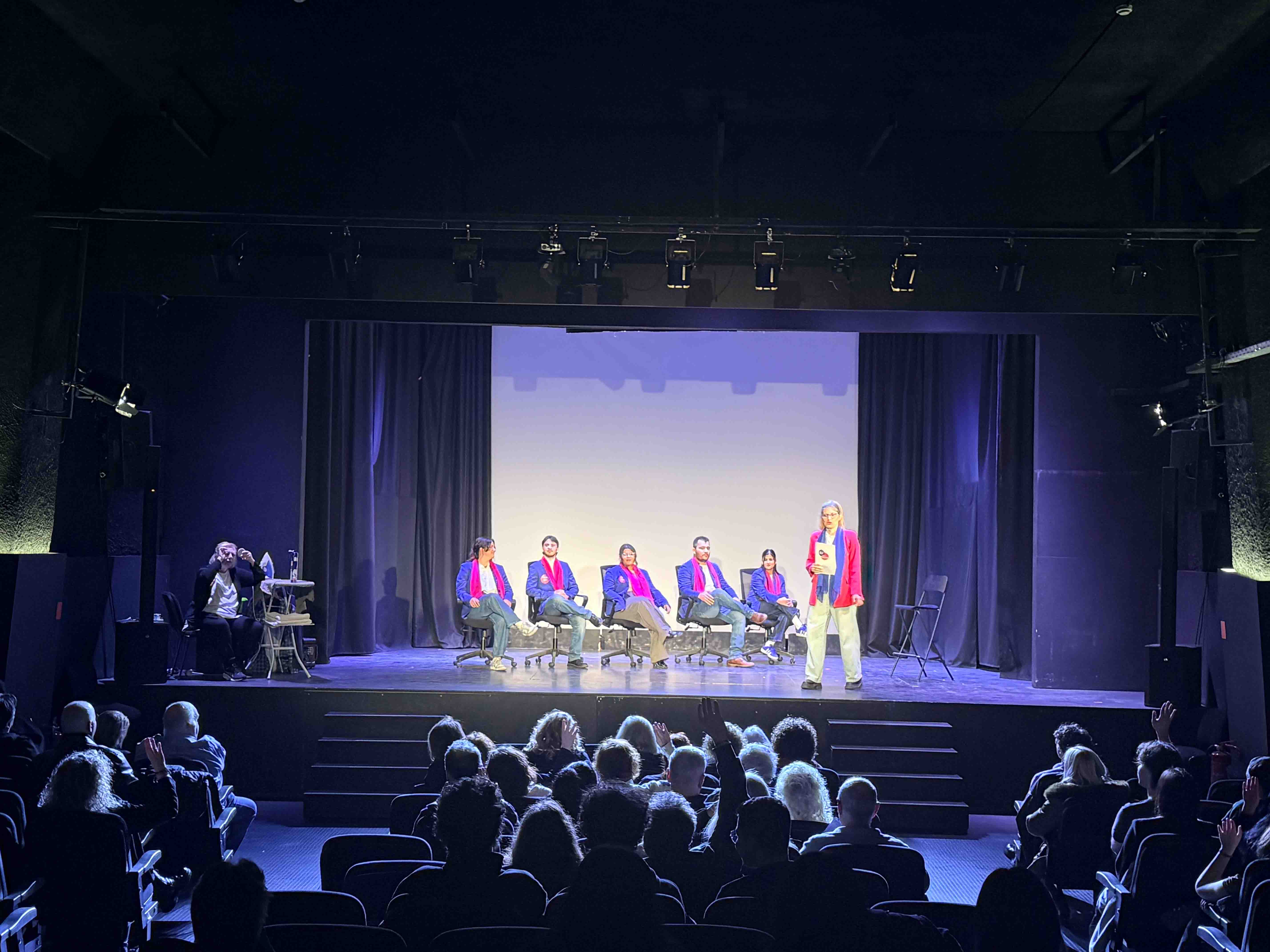
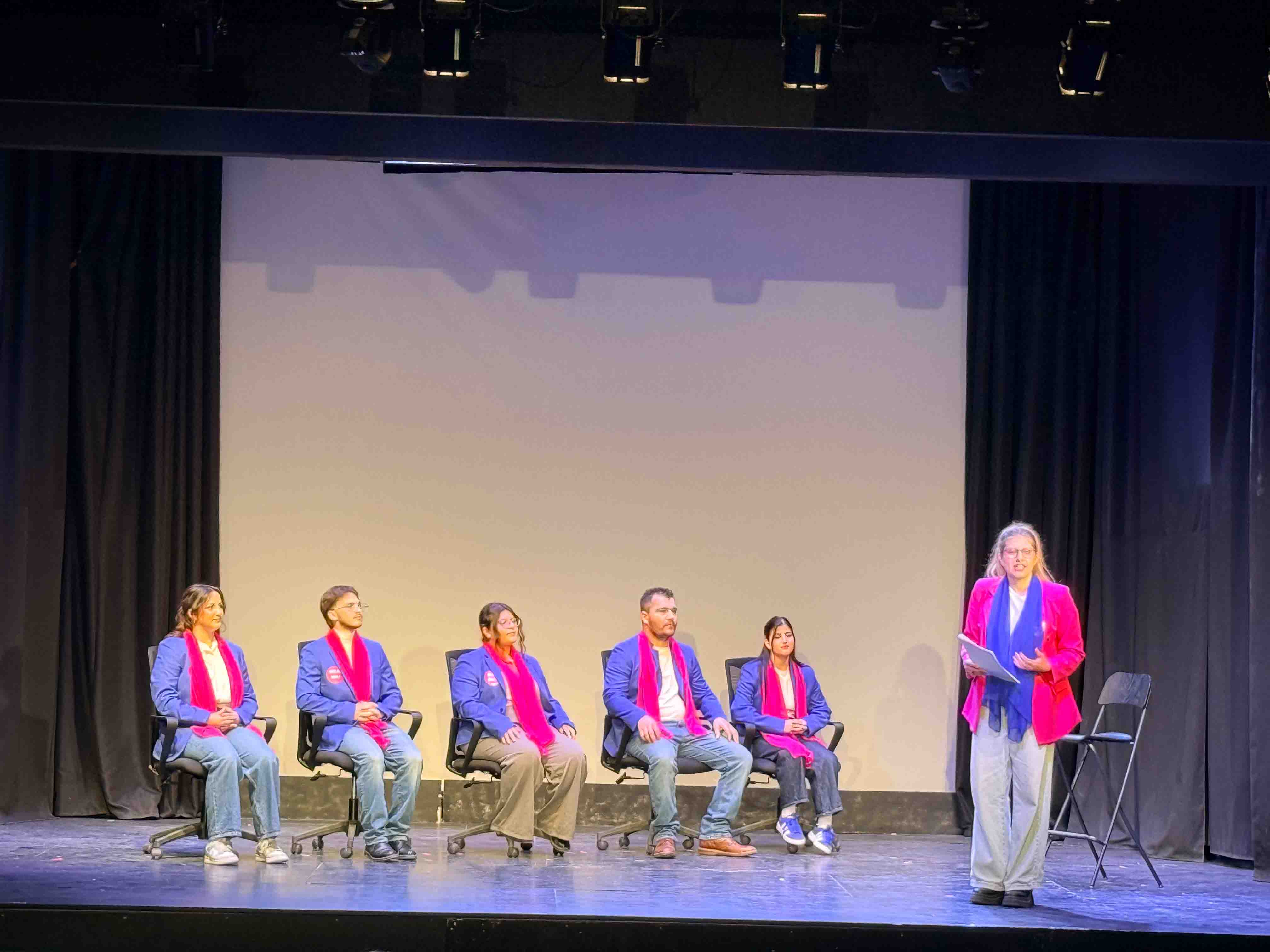
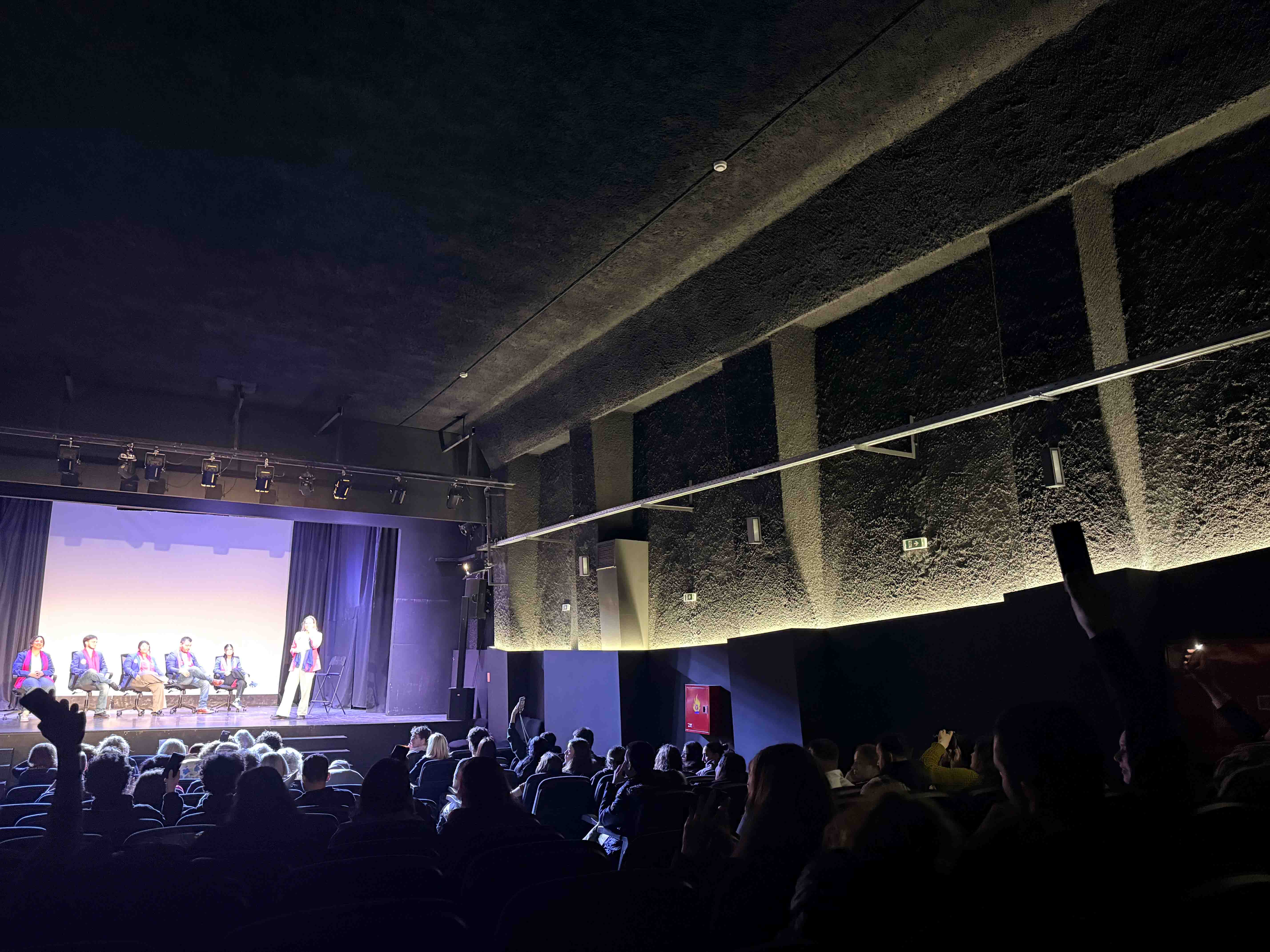
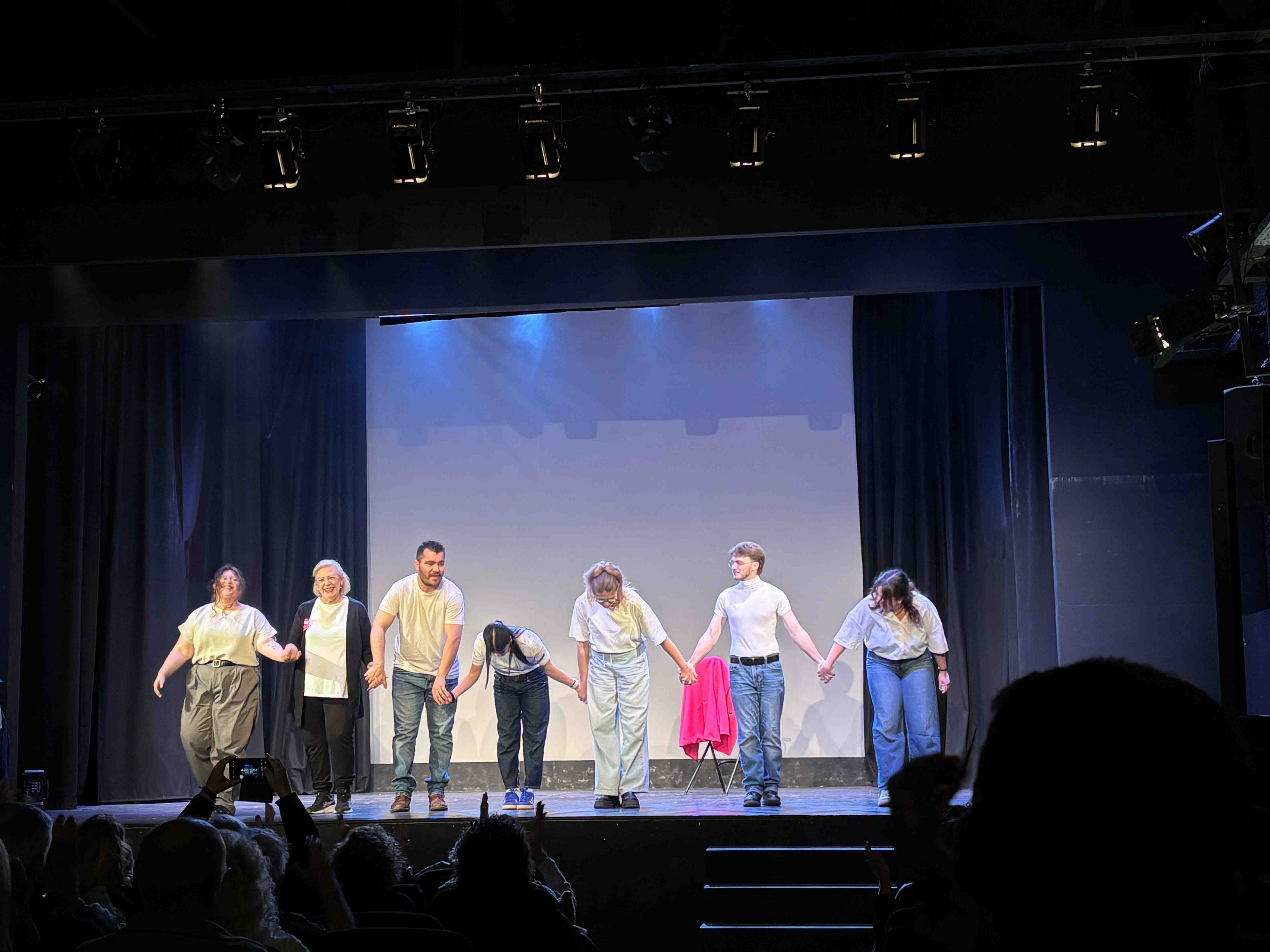
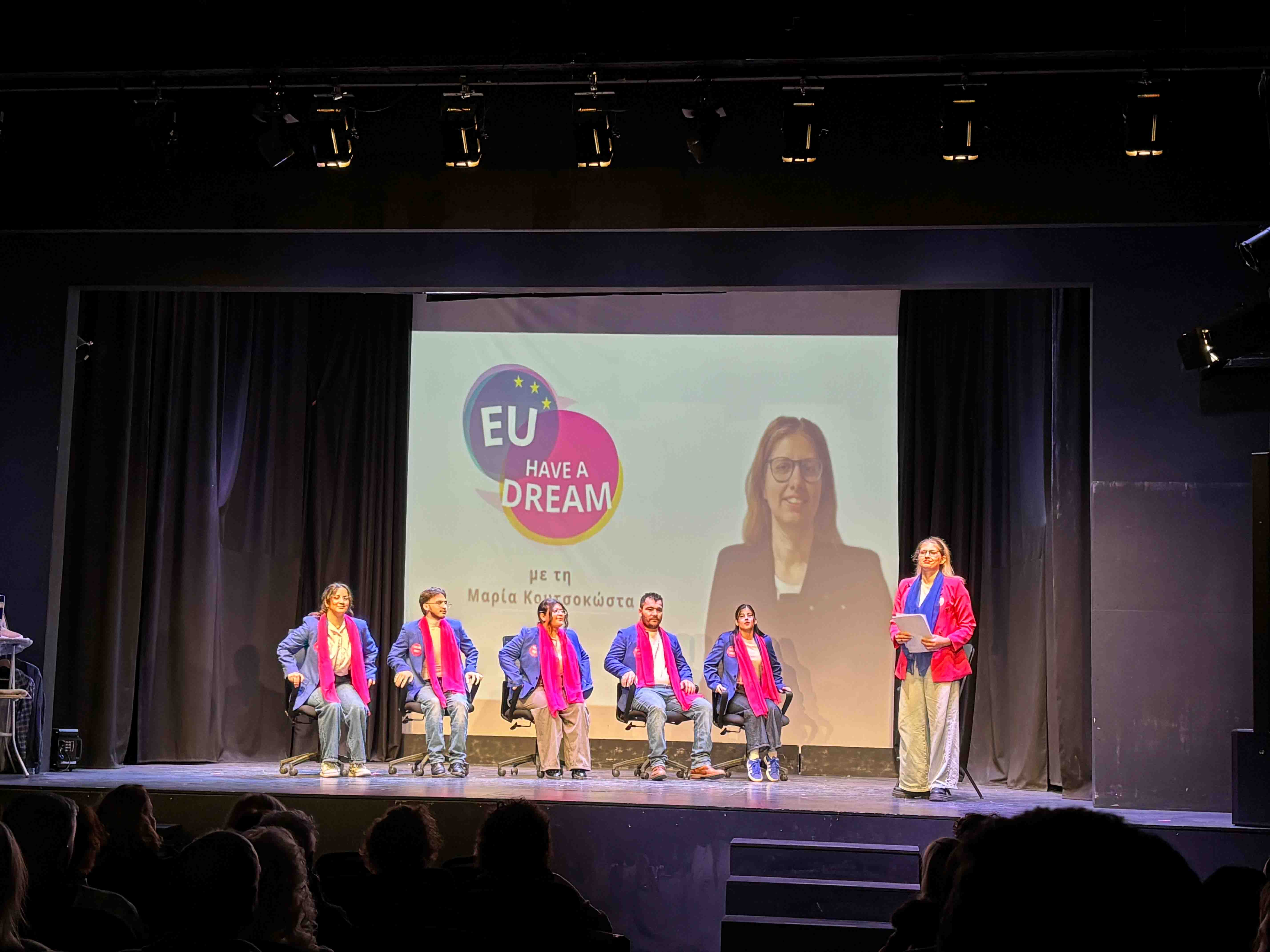
The second Theatre Debate in Greece took place on 30 March 2026 in Thessaloniki, at the Theater of Arts in the city centre, following a rehearsal period carried out between January and March at Lissasmeni Gata. The event focused on European identity, economy, and the relationship between Greece and the European Union, bringing together young people, civic and youth organisations, politicians, and members of the local community. Framed as a live TV show, “EU HAVE A DREAM, A DREAM DEBATE, THE TV SHOW,” the performance created a space where young people’s voices could be heard by peers, citizens, and decision makers.
Key Highlights
Live TV show format:
The debate was designed as a theatrical broadcast that translated complex European issues into an accessible and engaging public format. Through this approach, the event connected European citizenship, the history of European integration, and the functioning of EU institutions with the everyday realities of life in Greece.
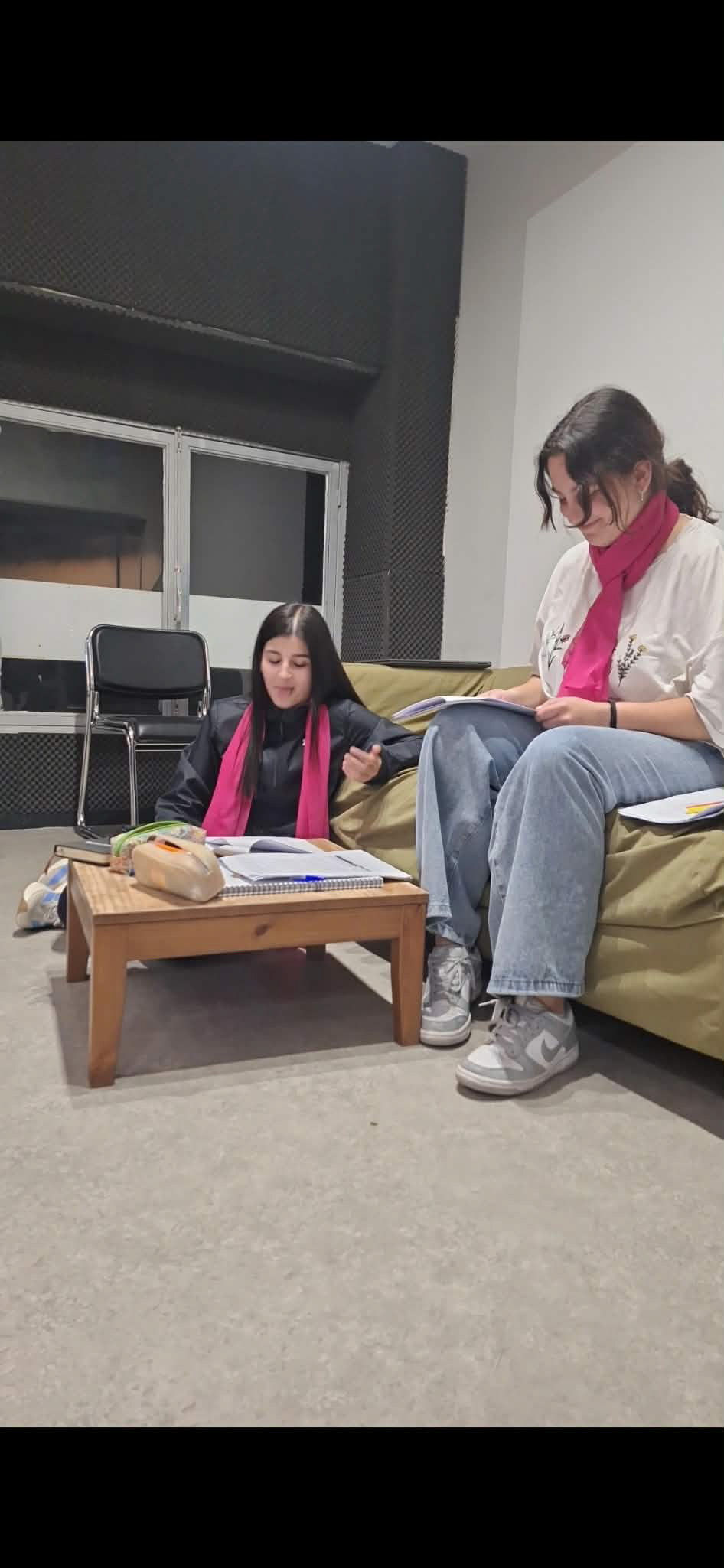
Five young participants co created the script:
During rehearsals, five young adults aged 18 to 30, from diverse academic and professional backgrounds, worked with the artistic team to co create the script. Their preparation included research on EU history, GDP, purchasing power, the Eurozone, the Greek debt crisis, the Common Agricultural Policy, and cost of living disparities across member states.
Strong socio economic focus:
The central theme of the performance was organised around four axes, European history and integration, the modern world economy, Greek economic reality, and the challenges of the primary sector. The debate gave particular attention to purchasing power, the debt crisis, agriculture, and inequality within the Eurozone.
Human stories behind policy:
The performance gave a human face to abstract policy concepts through monologues rooted in local reality, especially the testimony of a farmer from Northern Greece and reflections on the youth “identity crisis.” These elements helped connect EU level policy with the lived experiences of ordinary people.
Vox pop interviews from the local community:
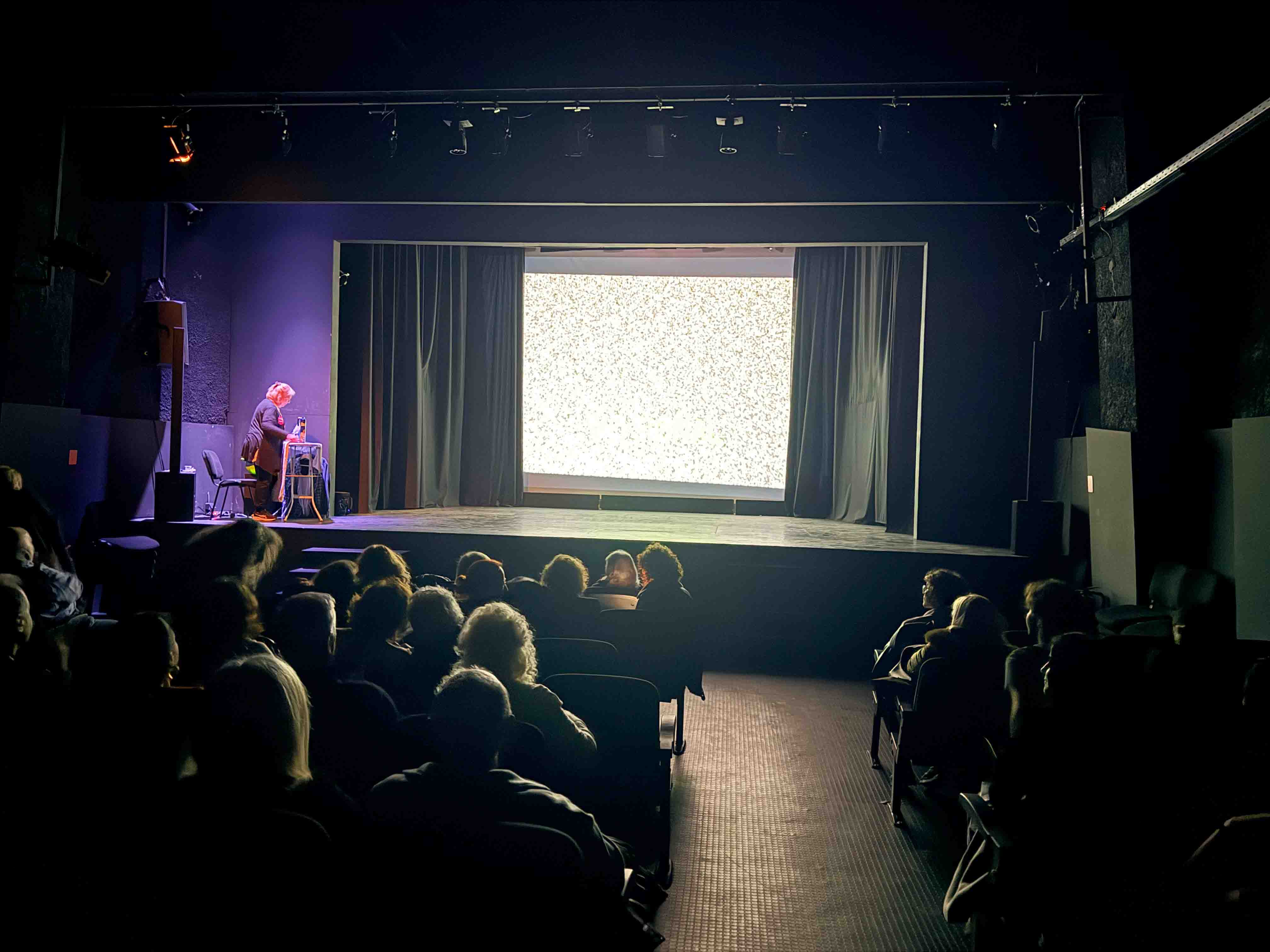
An important part of the event was the use of recorded street interviews, where local citizens answered questions about Europe, the economy, working abroad, and financial credit. These testimonies acted as a reality check, highlighting the gap between institutional narratives and the lived experience of Greeks.
Interactive audience participation:
The audience did not remain passive. They took part in several interactive actions, including:
an activity clarifying the distinction between Europe and the European Union,
a Eurobarometer action using phone flashlights to show optimism or pessimism about Europe’s future,
a Product Catalog game comparing the prices of everyday goods such as olive oil in Greece and other EU countries,
and a final Agree or Disagree activity using red and green cards in response to statements related to the debate themes.
Participation
Total participants: 201 from 4 countries.
Gender distribution: 110 female, 90 male, 1 non-binary.
Conclusions
The second Theatre Debate in Greece successfully combined artistic performance, information, and active public participation to explore the relationship between Greek everyday life and the wider European project. By linking the institutional framework of the EU with concrete realities such as the price of olive oil, debt, migration choices, and agricultural struggle, the event transformed abstract political and economic concepts into a shared human experience. It functioned not only as a performance, but also as a catalyst for reflection, awareness raising, and democratic engagement.

Funded by the European Union. Views and opinions expressed are however those of the author(s) only
and do not necessarily reflect those of the European Union. Neither
the European Union nor the granting authority can be held responsible for them.
