
International Theatre Debate
Young people from across Europe take the stage in Brussels
From 17 to 22 April 2026, young people, artistic leaders and project partners gathered in Brussels for the EU HAVE A DREAM International Theatre Debate.
The international event brought together the ideas, experiences and creative contributions developed through the Theatre Debates in Cyprus, Germany, Greece and Italy. Through theatre, movement, music, audience interaction and democratic dialogue, participants explored three central themes:
Democracy, education and mental health.
The main performance took place on 21 April 2026 at the Albert Hall in Brussels and was also livestreamed online.


Event at a glance
| Event | International Theatre Debate |
|---|---|
| Project activity | WP15 |
| Location | Brussels, Belgium |
| International programme | 17 to 22 April 2026 |
| Main performance | 21 April 2026 |
| Venue | Albert Hall, Brussels |
| Format | In situ performance and online livestream |
| Activities | Theatre Debate, participatory installations, audience interaction, flash mob and European Parliament visit |
Participation
The wider international programme involved 105 participants, comprising:
65 women, 39 men and 1 nonbinary participant.
Participants represented 13 countries, including Cyprus, Germany, Greece, Italy, Belgium, Ukraine, Austria, Moldova, Romania, Denmark, Poland, France, Spain, Switzerland and Iceland.
There is a small reporting inconsistency here: the report states “13 countries”, while the country list appears to contain more than 13 when Switzerland and Iceland are included. I recommend displaying “participants from across Europe and beyond” on the public page, unless the lead partner confirms the definitive country total.
From national debates to one European performance
Preparation for the International Theatre Debate began several months before the Brussels event.
Artistic directors first met in Turin on 15 and 16 December 2025, followed by regular online artistic meetings. Together, they developed a performance combining:
• scenes and issues emerging from the national Theatre Debates
• collective international scenes developed by the participating delegations
• shared themes selected by the young people and artistic teams
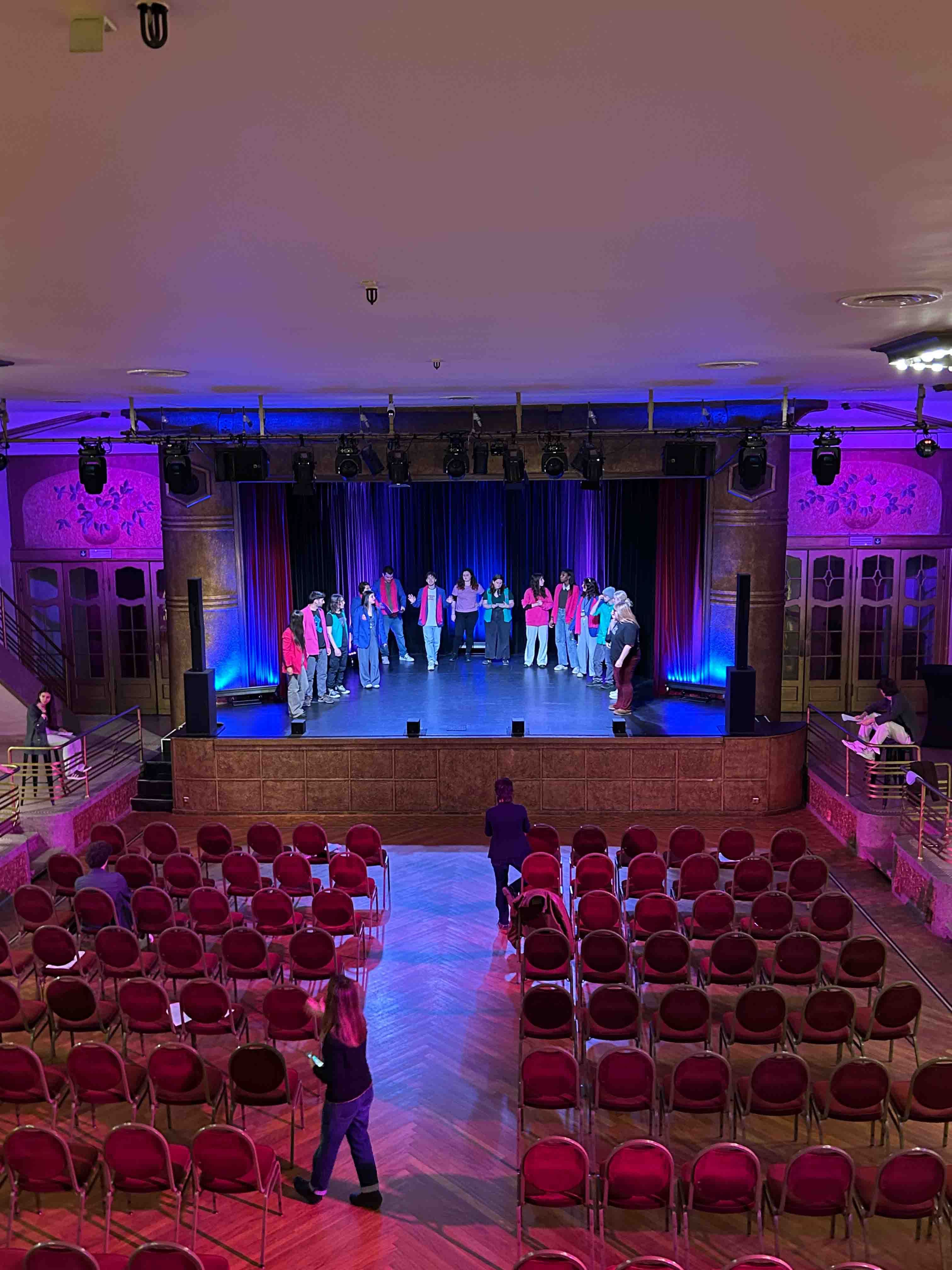
When the delegations arrived in Brussels on 17 April, the national contributions were already prepared. The first sessions focused on group building, trust and collaboration between young people from different countries.
Participants then worked together on the three principal themes of the international performance:
Democracy
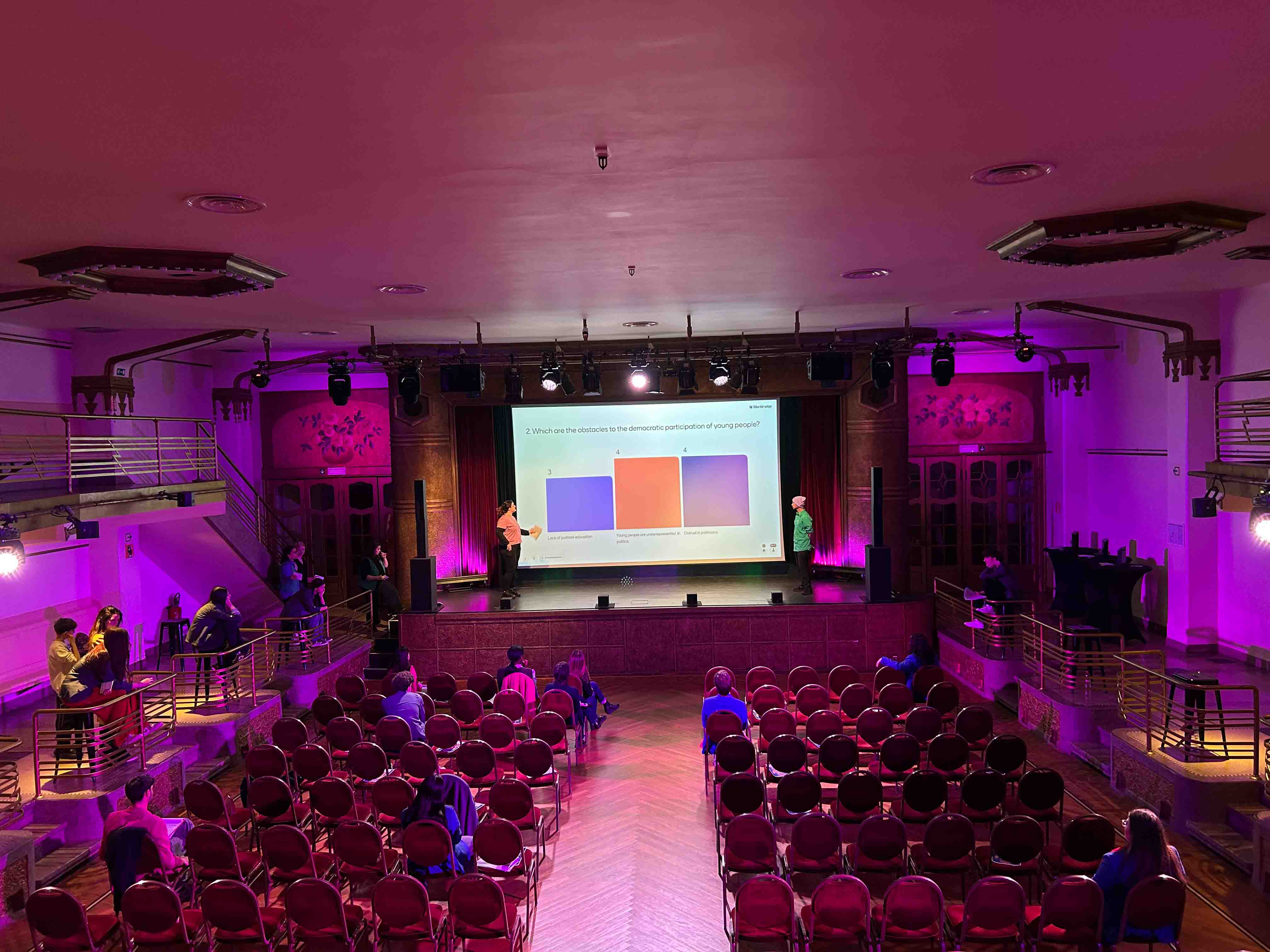
Young people examined democratic values, political participation, representation and the obstacles preventing younger generations from engaging fully in democratic processes.
Education
Participants explored inequalities within education, including the challenges experienced by students who must combine university studies with extensive paid employment.
Mental health
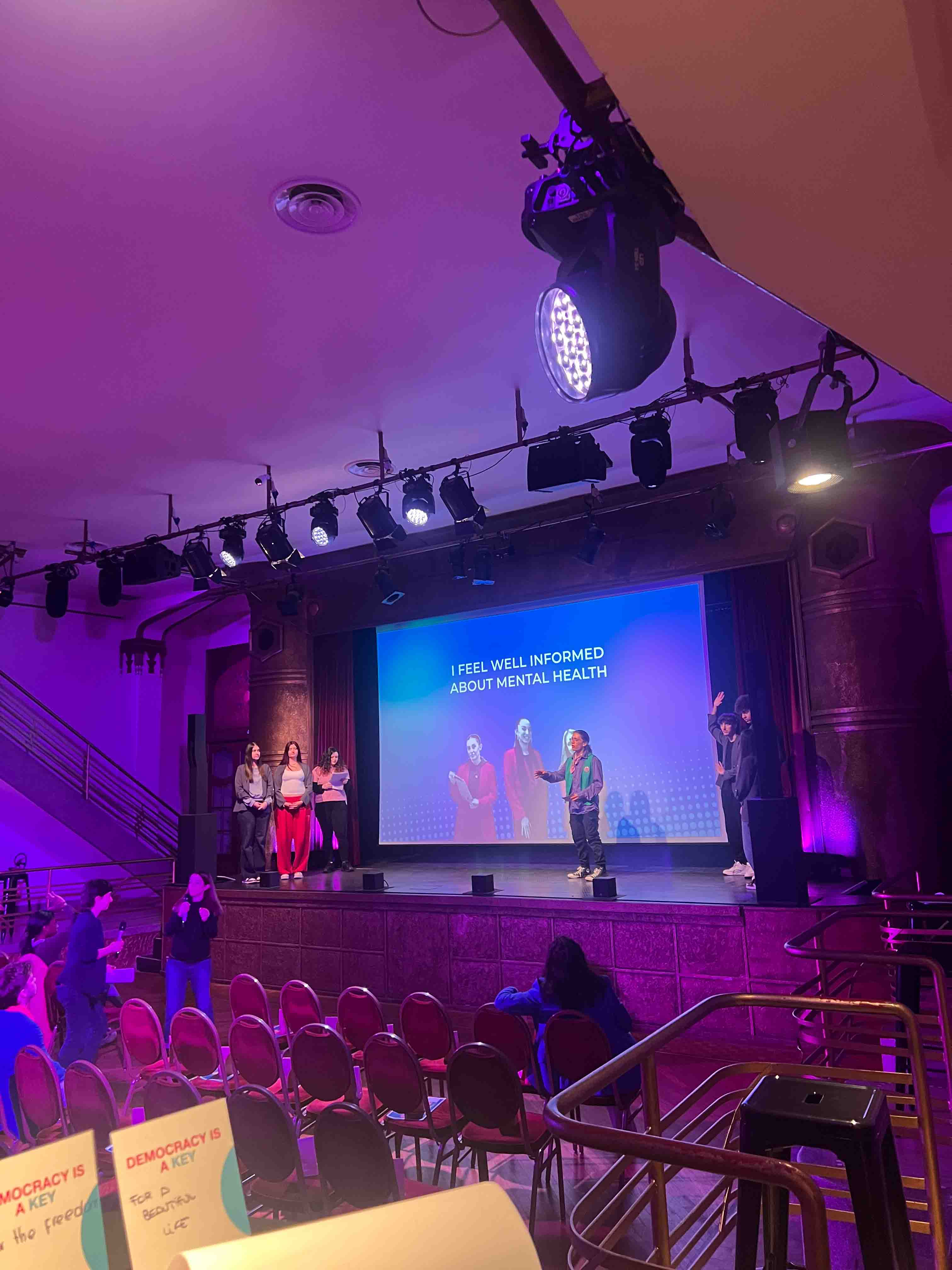
The performance addressed mental health, hate speech, peer pressure, self esteem and the need for young people to feel heard and supported.
The final days were dedicated to assembling the complete performance and rehearsing the collective scenes.
Bringing EU HAVE A DREAM to the European Parliament
On 20 April 2026, participants visited the European Parliament to strengthen their connection with European institutions and understand more closely where European democratic decisions are made.
Alongside a visit to the Hemicycle, the young participants organised a creative flash mob.
Dressed as the project’s fictional political candidates, Vera and Charis, they interacted with visitors inside the Parliament, presented their political programmes, discussed the issues young people care about and invited members of the public to the International Theatre Debate.
The participants also met Greek Member of the European Parliament Eleonora Meleti, presented the EU HAVE A DREAM project and discussed its participatory Theatre Debate methodology.
According to the event report, 25 external participants from six countries engaged with this European Parliament activity.
The International Theatre Debate
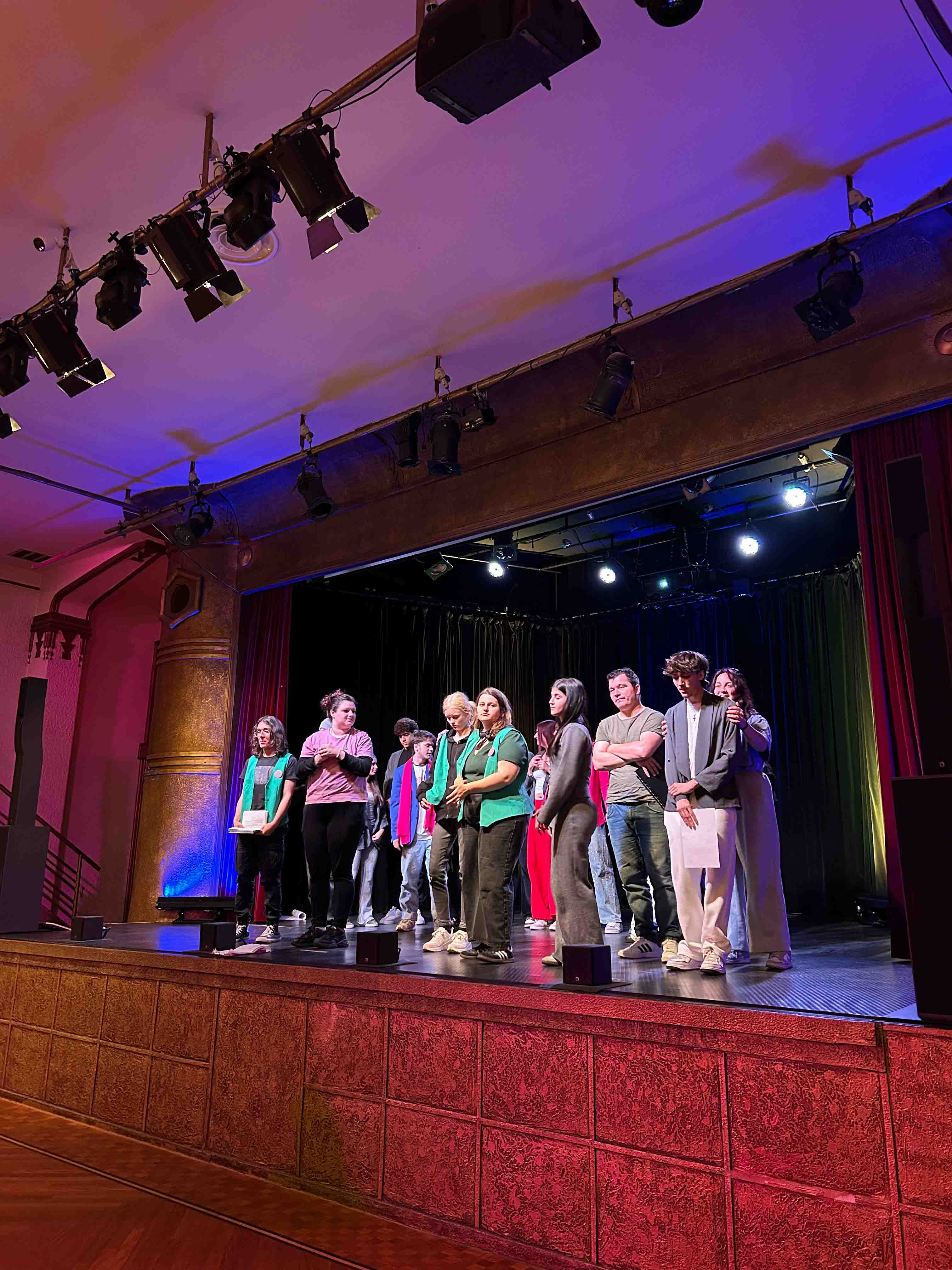
The International Theatre Debate was performed on the evening of 21 April 2026 at the Albert Hall in Brussels.
The event welcomed:
44 in person audience members from nine countries
88 online livestream participants
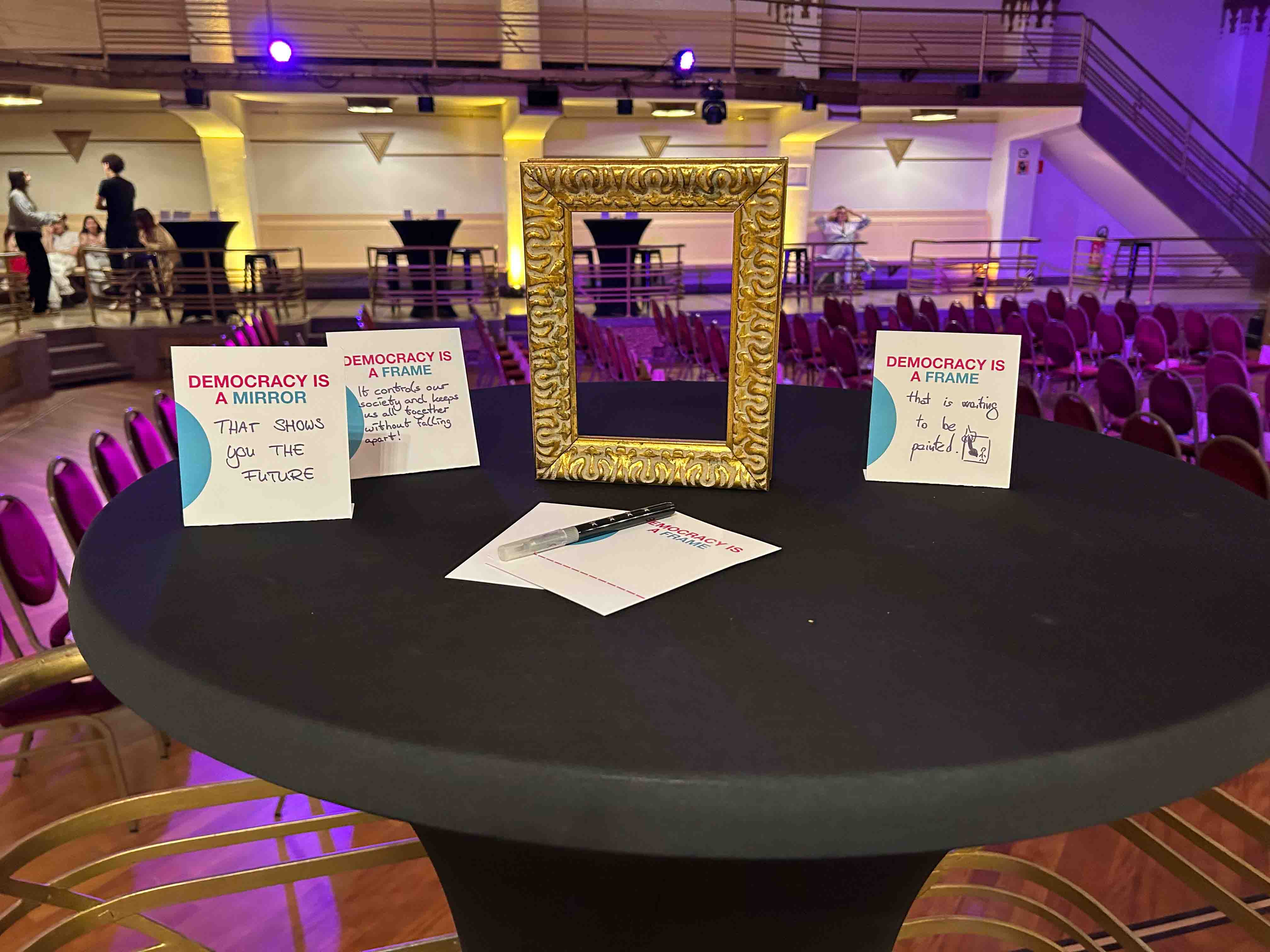
Before entering the performance, audience members were invited to take part in participatory installations and activities.
Three mailboxes invited people to write messages addressed to:
• young people
• adults
• politicians
Participants were asked to share what they believed each group could do better. Selected letters were later read on stage during the section focusing on mental health, hate speech, peer pressure and self esteem.
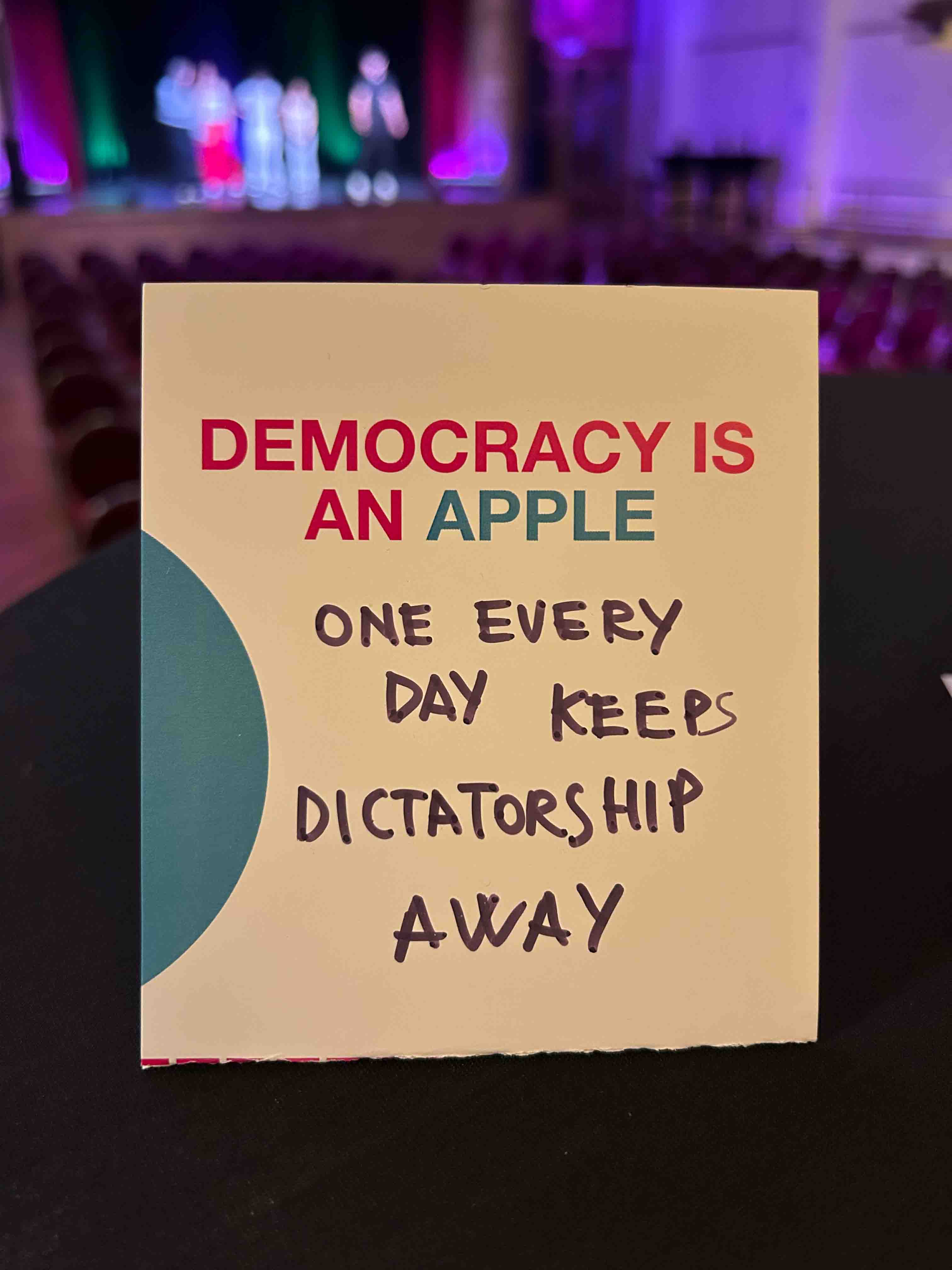
Installations around the venue also encouraged the audience to reflect on the meaning of democracy and contribute their own ideas.
Each audience member received an EU HAVE A DREAM box, containing materials used during the performance, including:
• a pencil
• red and green voting cards
• a “birth certificate from the registry of dreams”
• materials supporting the interactive activities
The six parts of the performance
Introducing Charis and Vera
The performance opened with the presentation of Charis Demah, representing the Cyprus Council Presidency, followed by the introduction of the project’s international candidate, Vera Demah.
The Veras from the different countries greeted the audience and presented Vera as a collective European identity, not limited by gender or nationality, but representing young people across Europe.
Choreography and audience warm up activities established an open, energetic and participatory atmosphere.
Education and working students
The performance opened with the presentation of Charis Demah, representing the Cyprus Council Presidency, followed by the introduction of the project’s international candidate, Vera Demah.
The Veras from the different countries greeted the audience and presented Vera as a collective European identity, not limited by gender or nationality, but representing young people across Europe.
Choreography and audience warm up activities established an open, energetic and participatory atmosphere.
The European Union and the European Parliament
Mental health, hate speech, peer pressure and self esteem
An open, free and democratic society
Dreams for Europe
For the closing section, all Vera and Charis performers returned to the stage. The audience was invited to answer:
What future do you dream of for the European Union in five years?
The performance concluded with an original song written and composed by the German participants, bringing together themes discussed throughout the Theatre Debates organised across Europe.
A shared European stage for youth participation
The International Theatre Debate transformed the experiences developed through the national project activities into a collective European performance.
It created a space where young people could:
• express their concerns through art
• discuss democracy and European participation
• engage directly with audiences
• propose responses to educational and social challenges
• speak openly about mental health and peer pressure
• imagine a more inclusive democratic future for Europe
Rather than presenting young people only as an audience for political messages, the event placed them at the centre as performers, authors, candidates, commentators and participants in European democratic dialogue.
Funded by the European Union. Views and opinions expressed are however those of the author(s) only
and do not necessarily reflect those of the European Union. Neither
the European Union nor the granting authority can be held responsible for them.
