
Final Conference
Communicating the results of EU HAVE A DREAM through a Theatre Debate
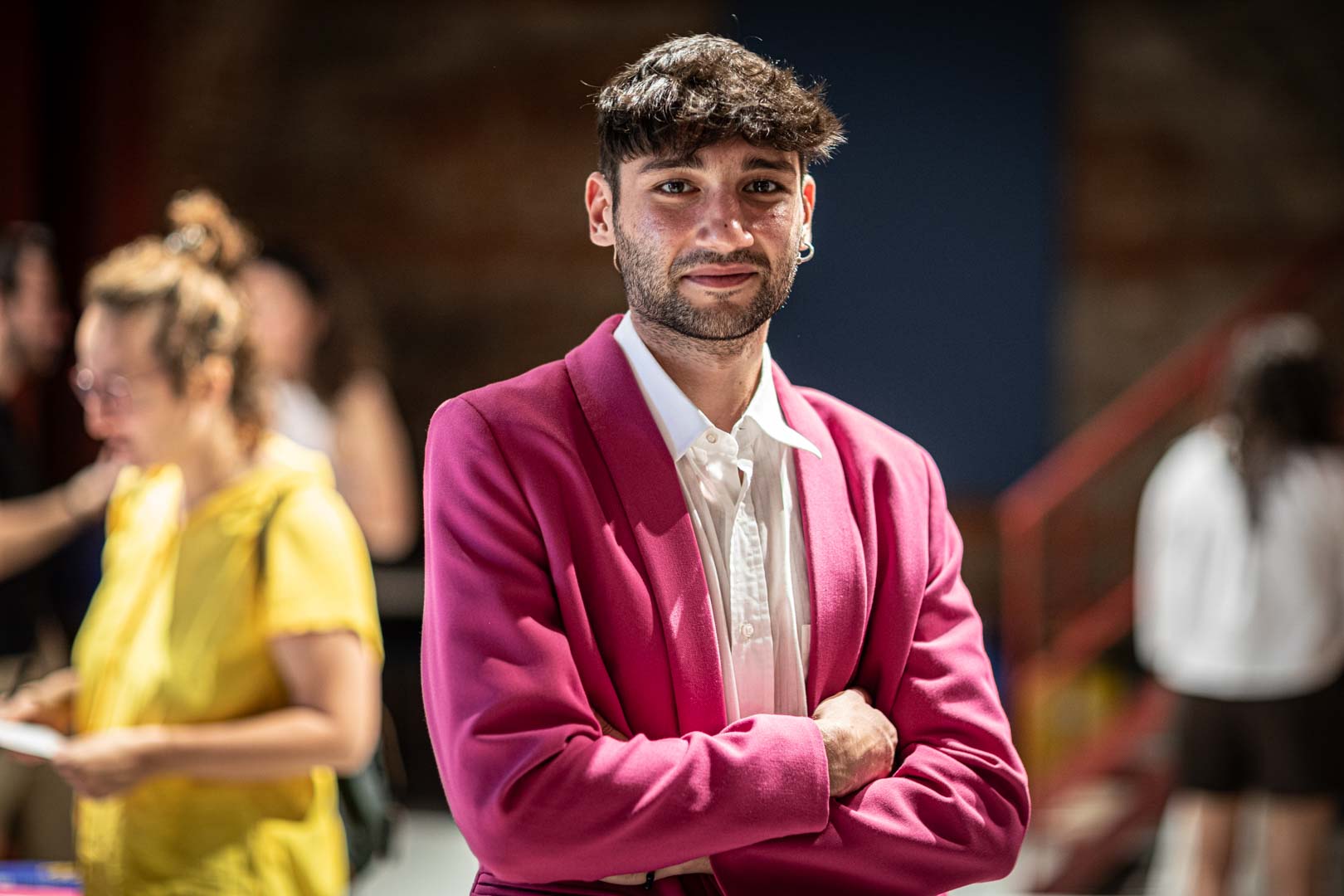
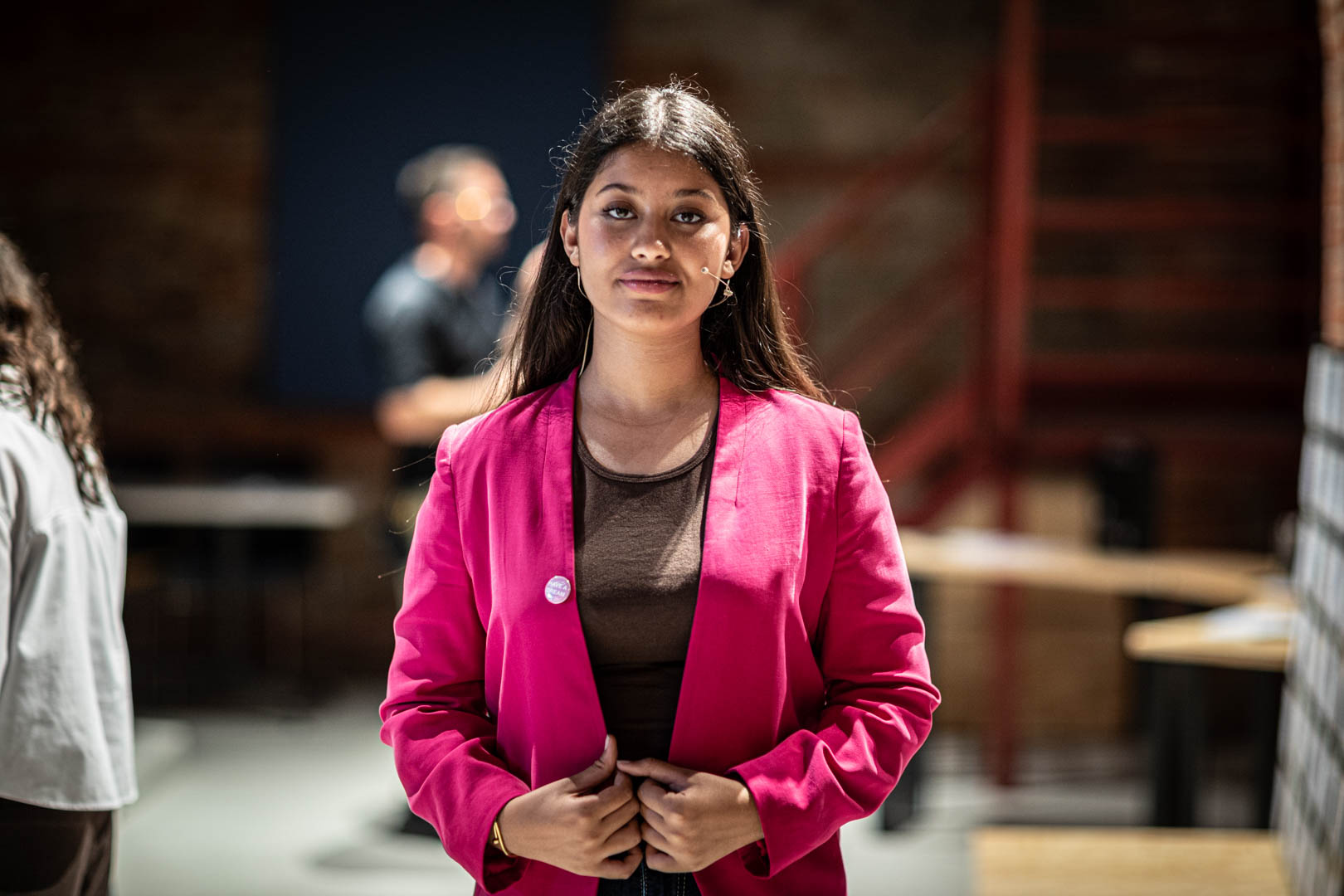
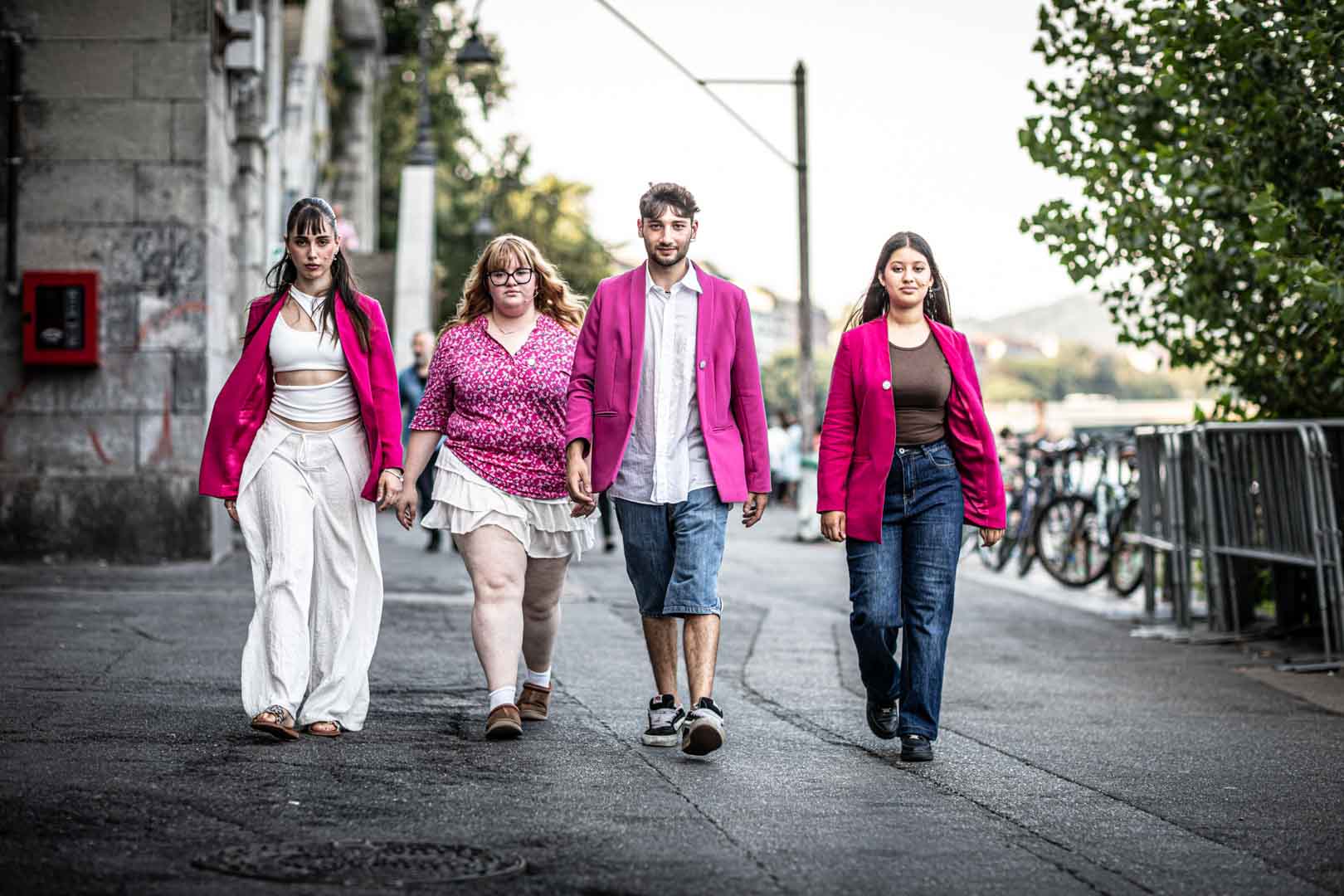
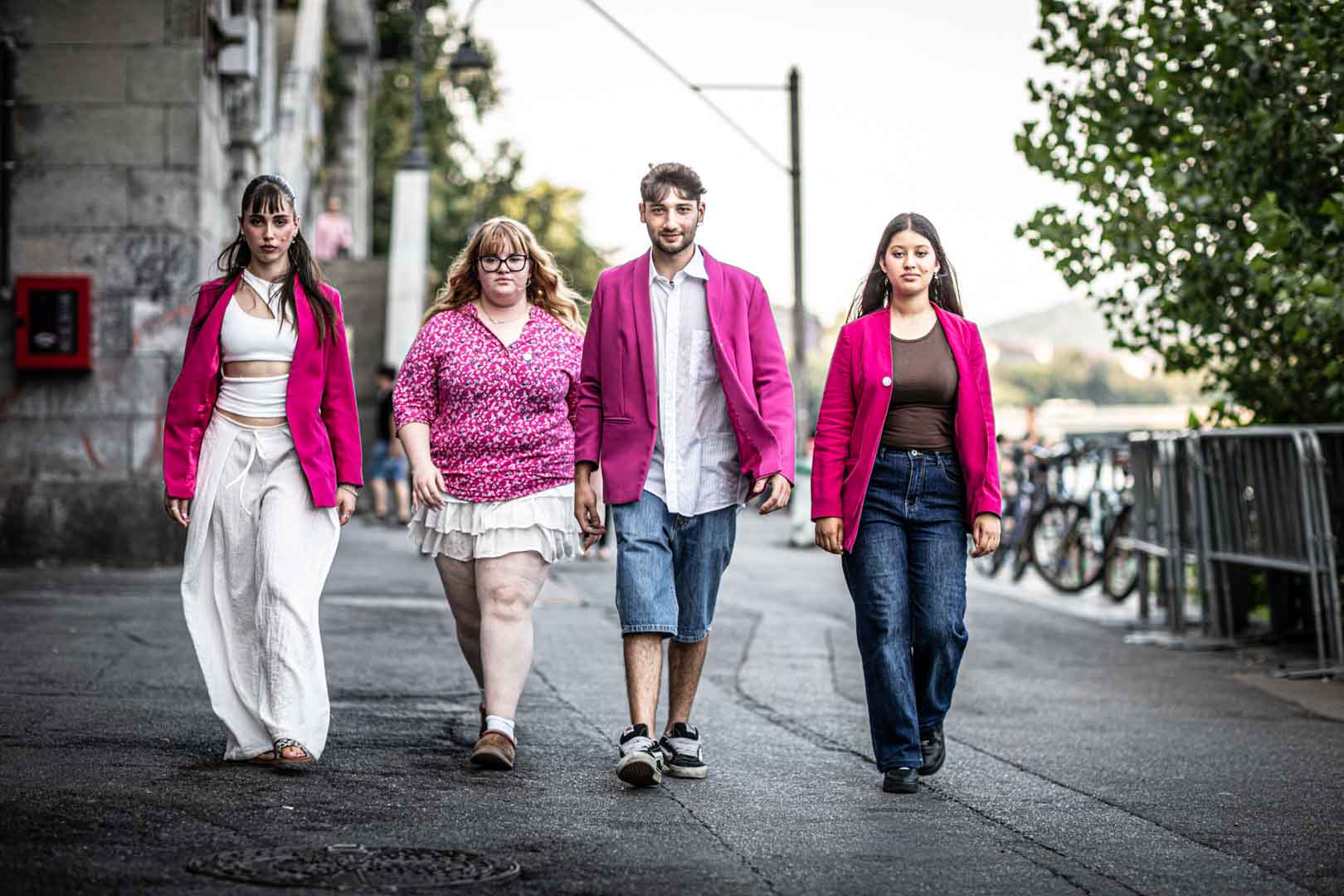
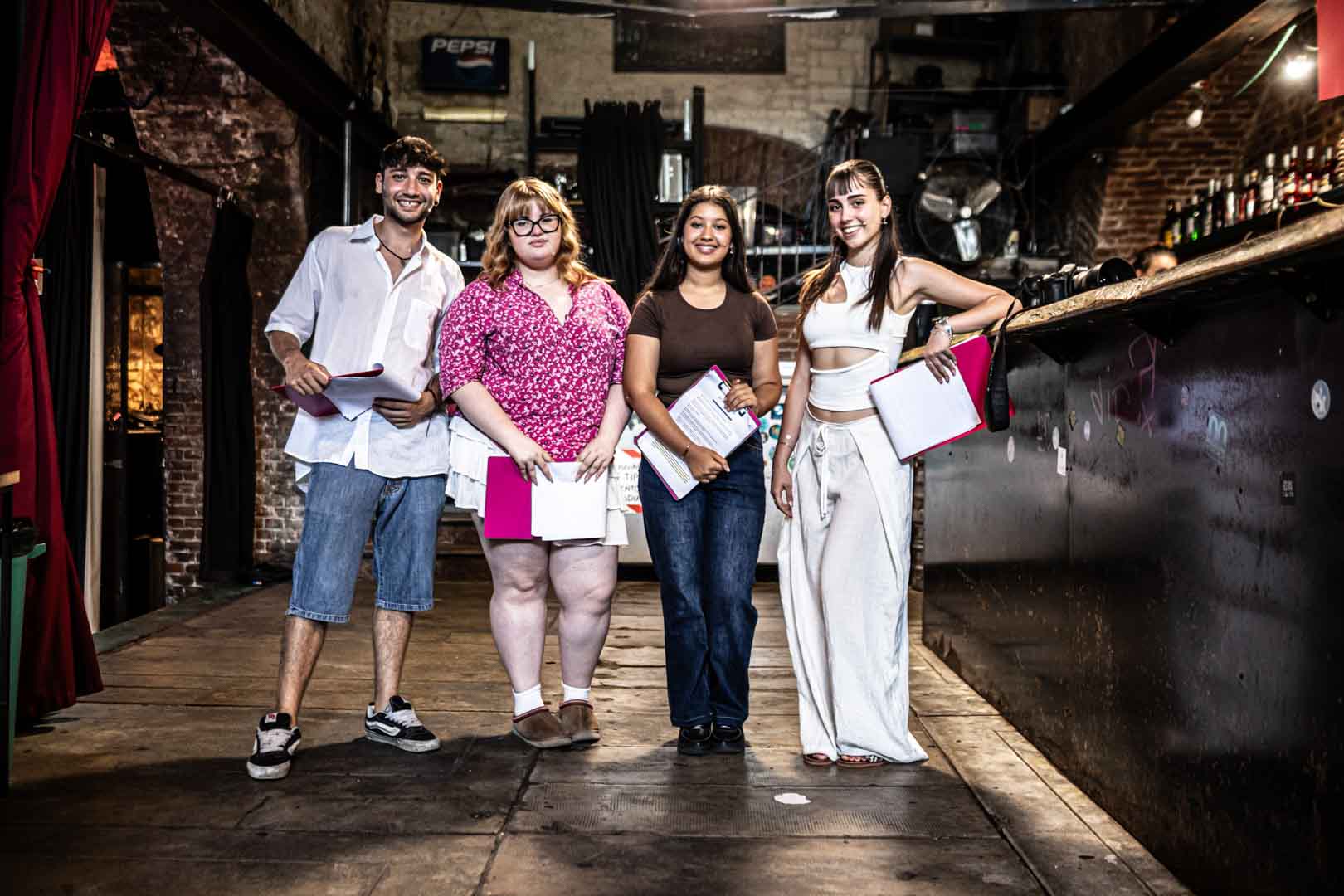
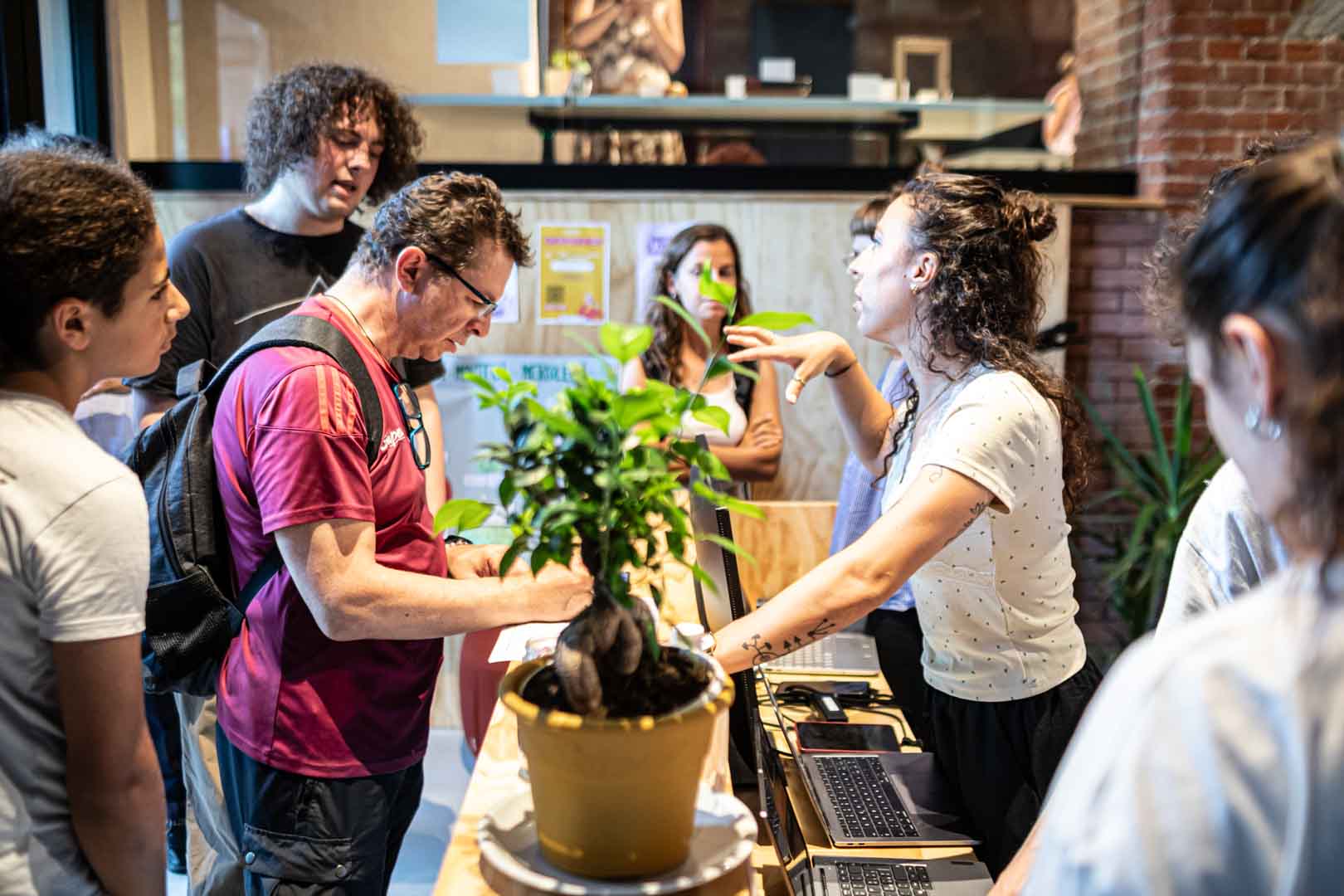
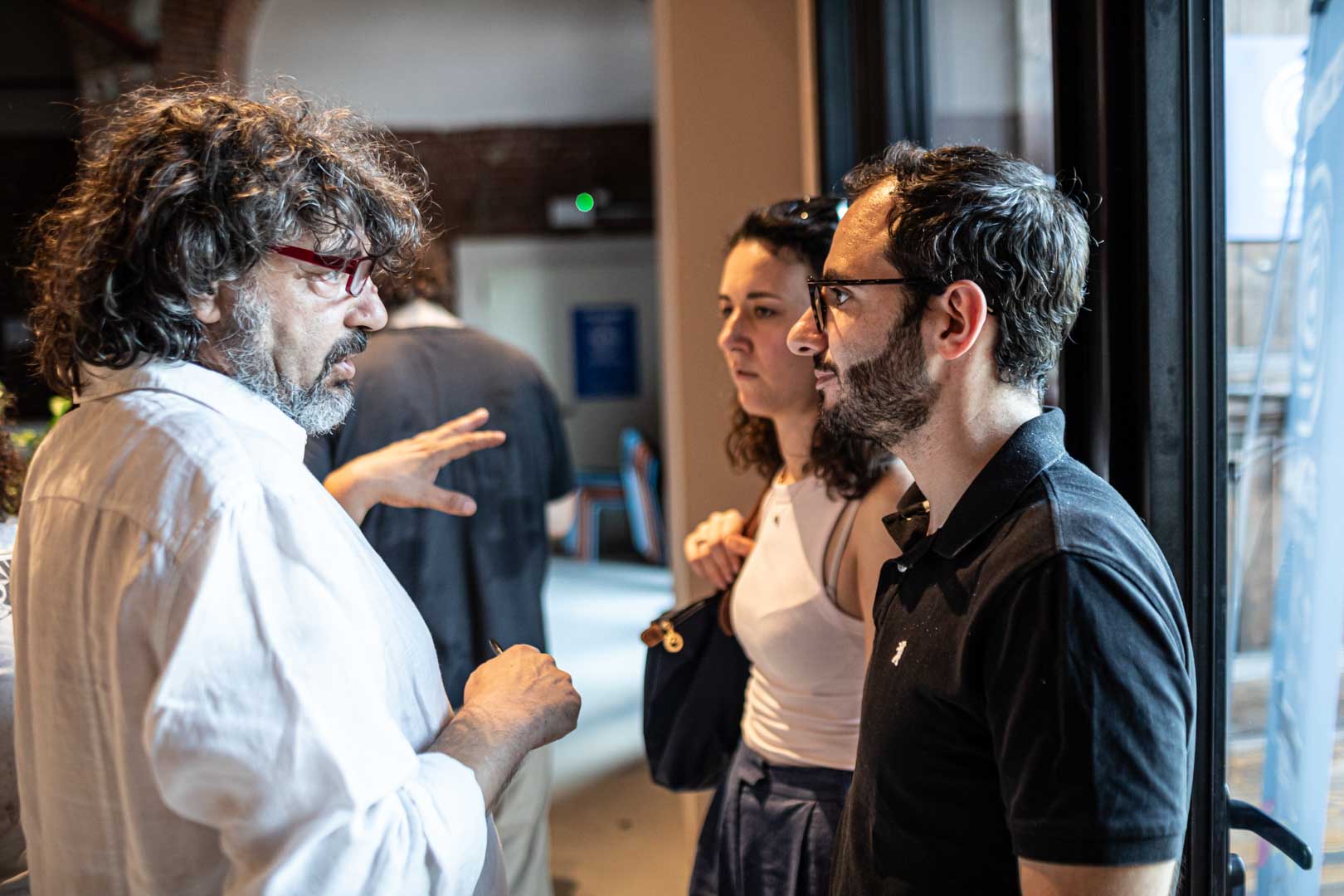
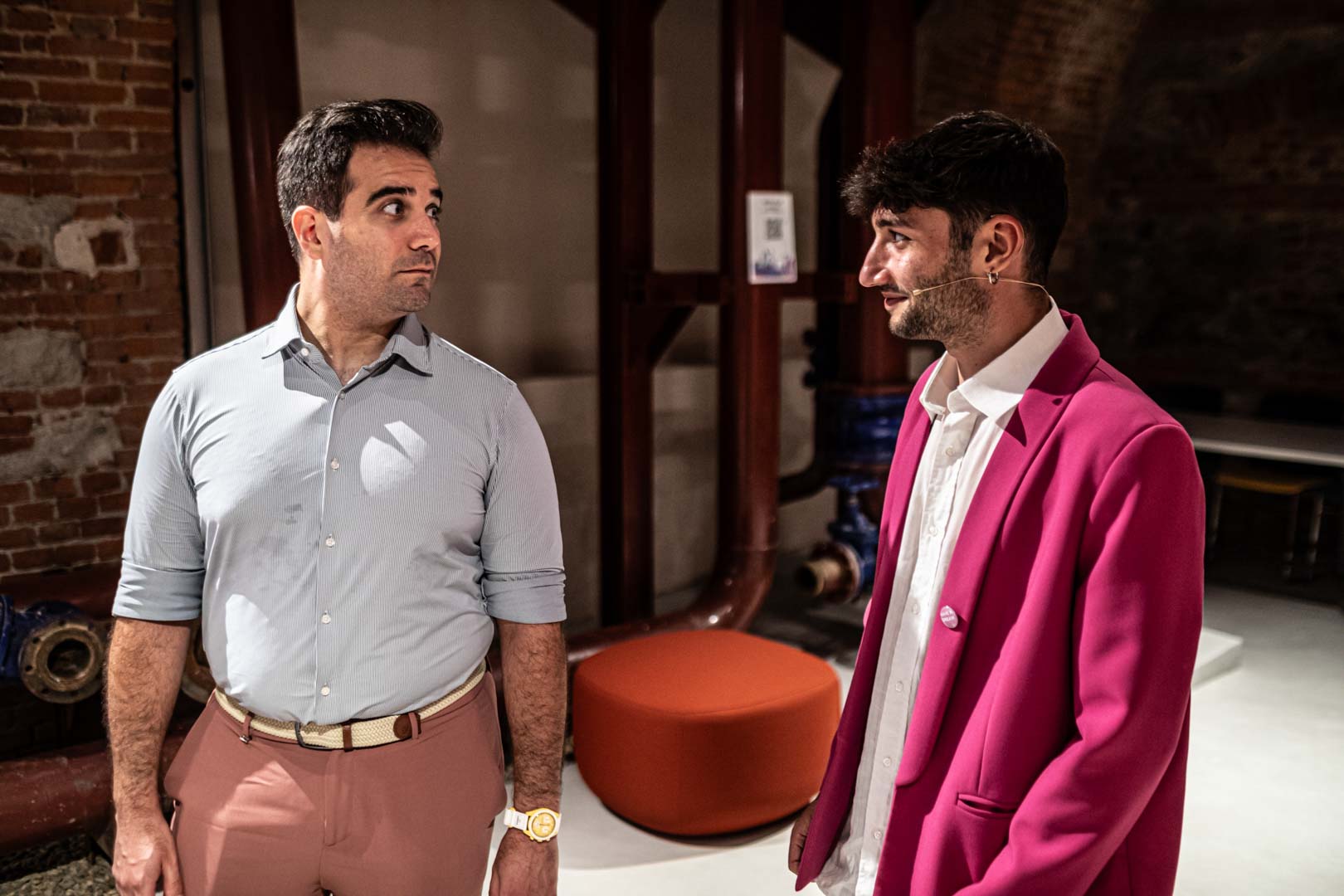
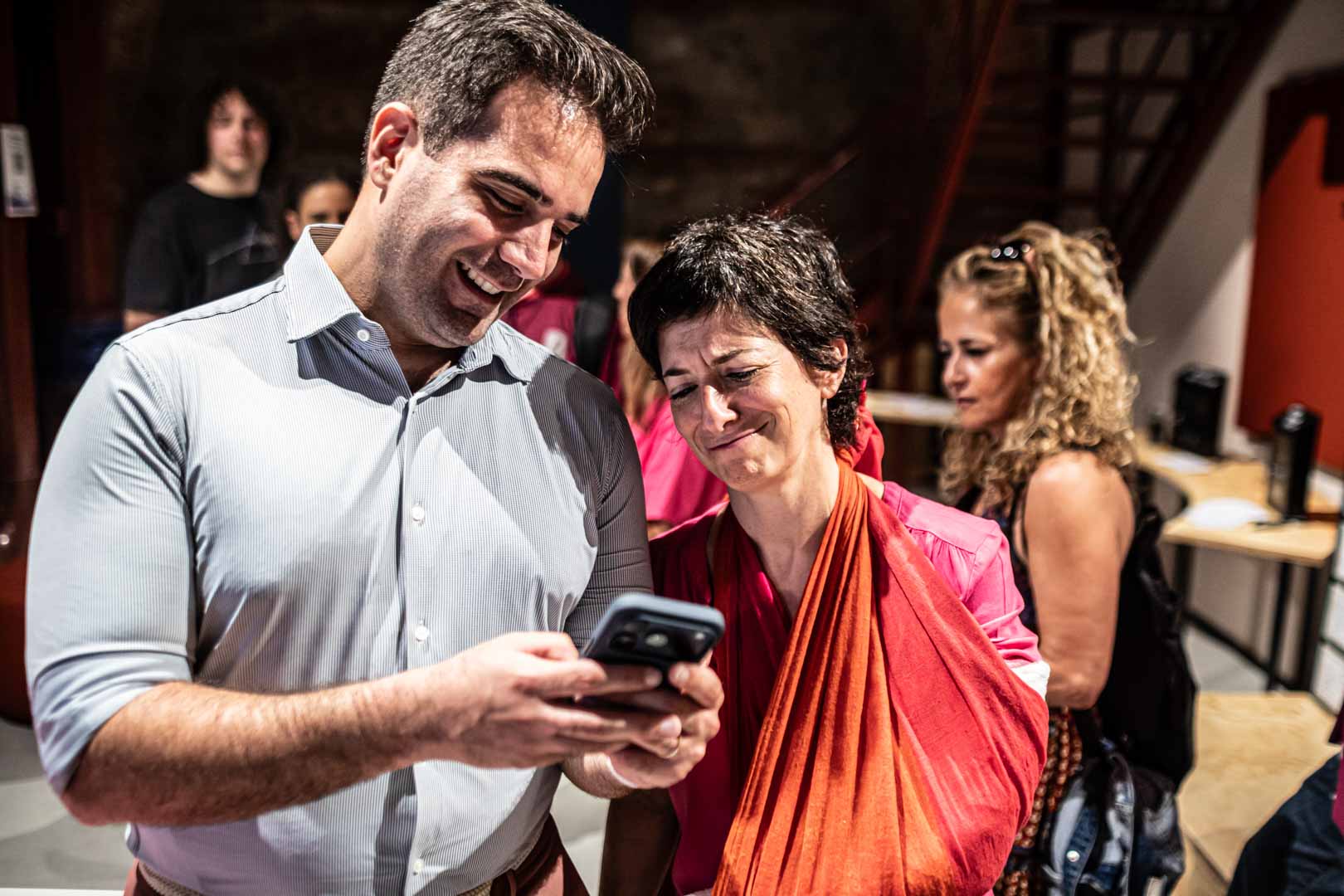
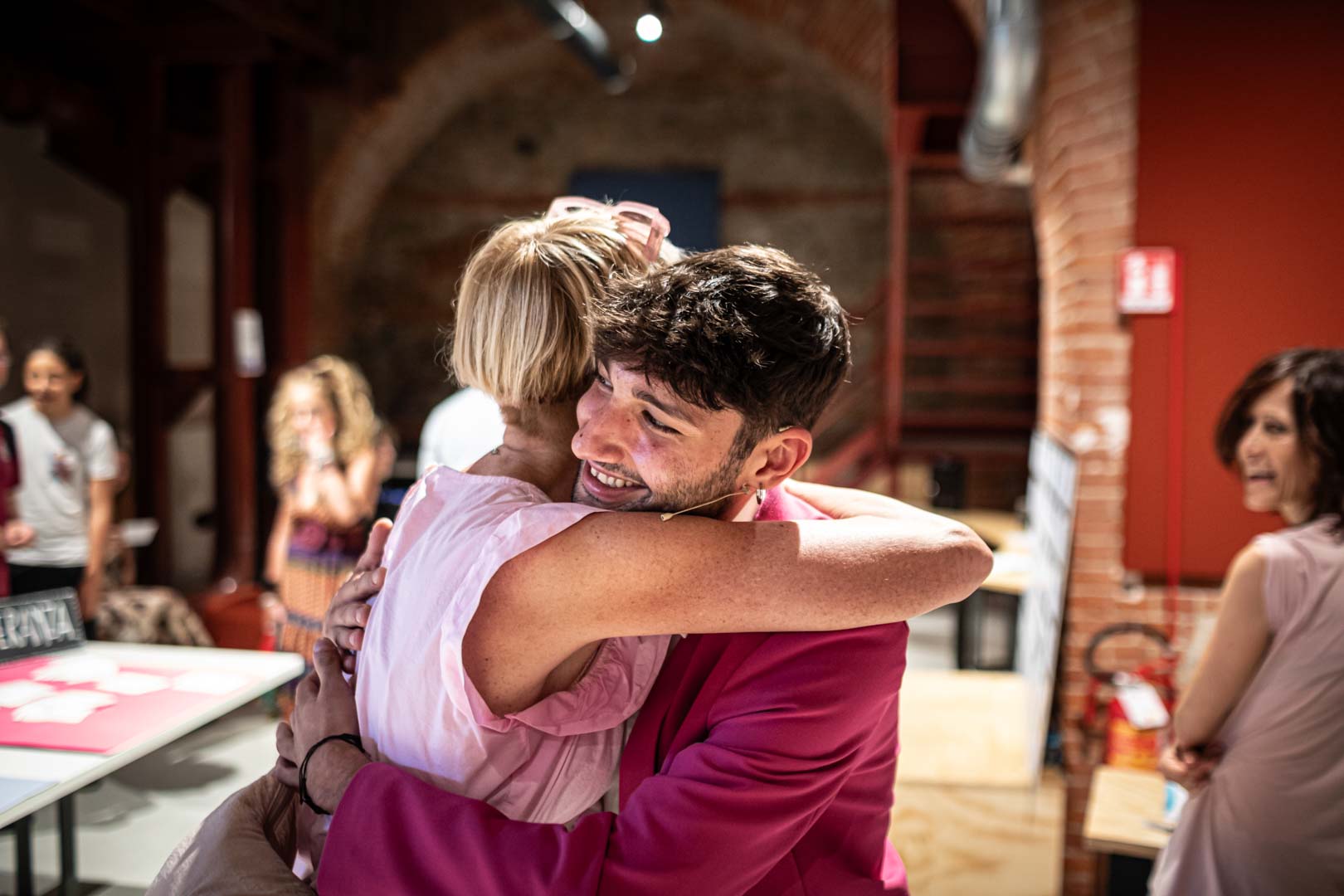
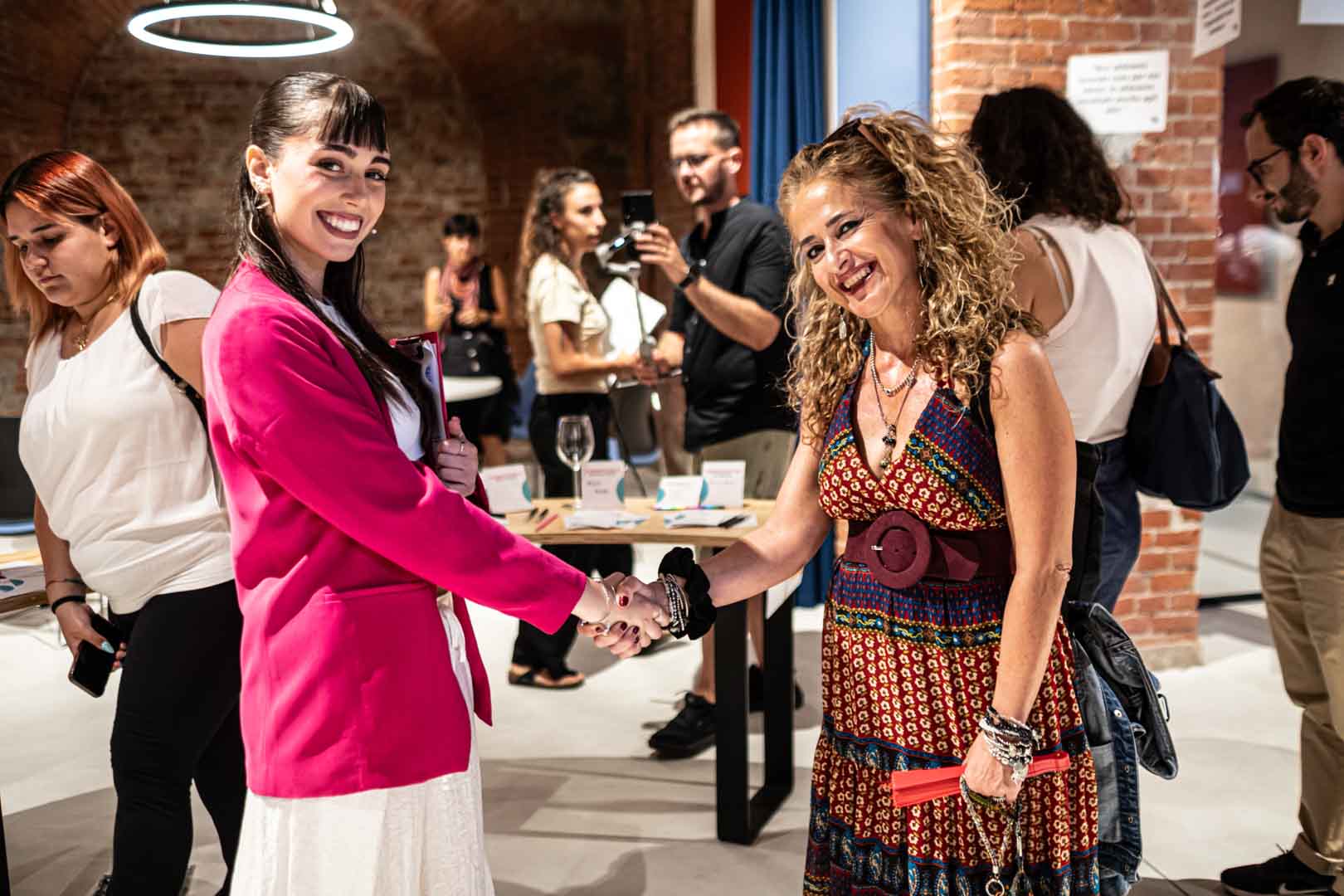
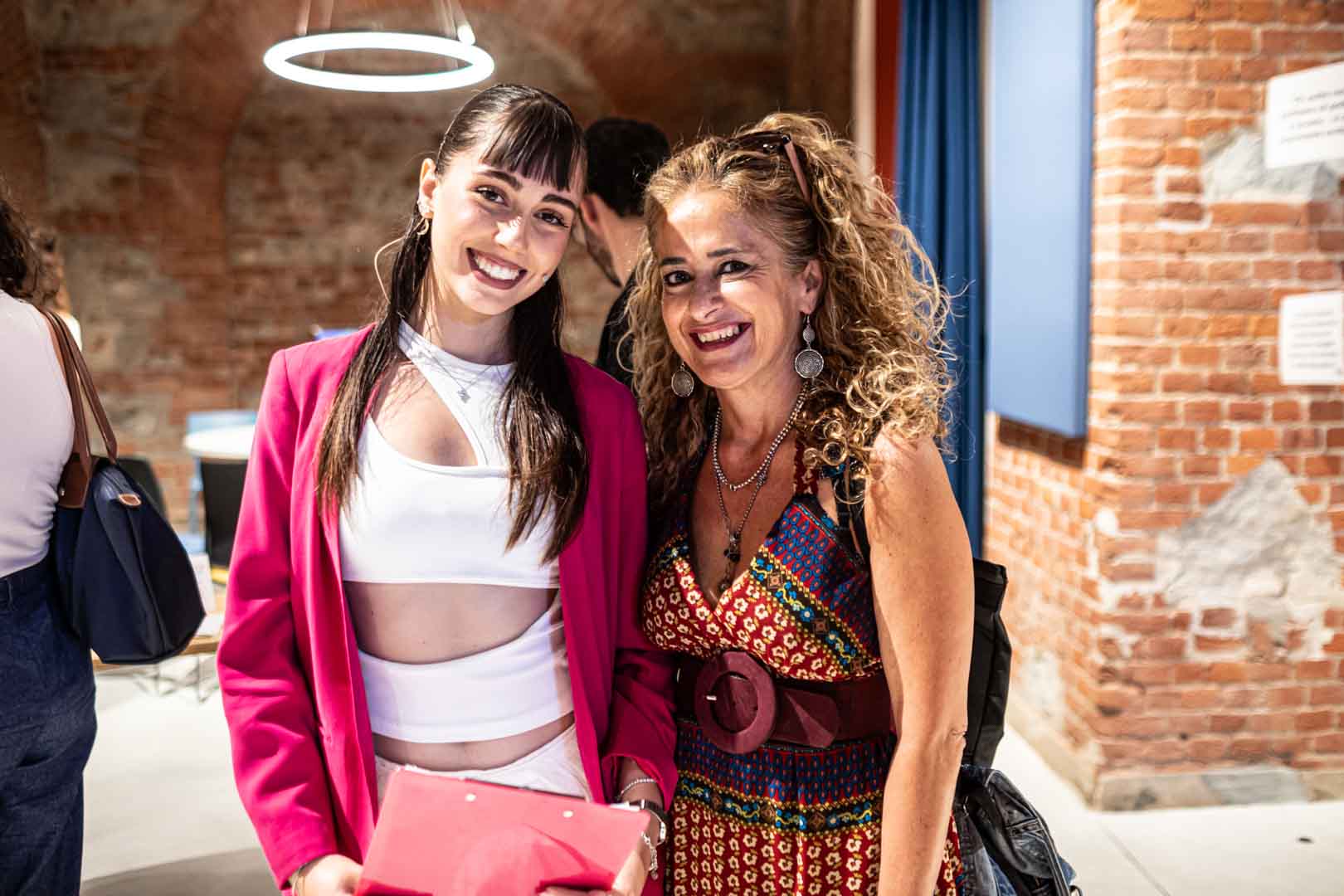
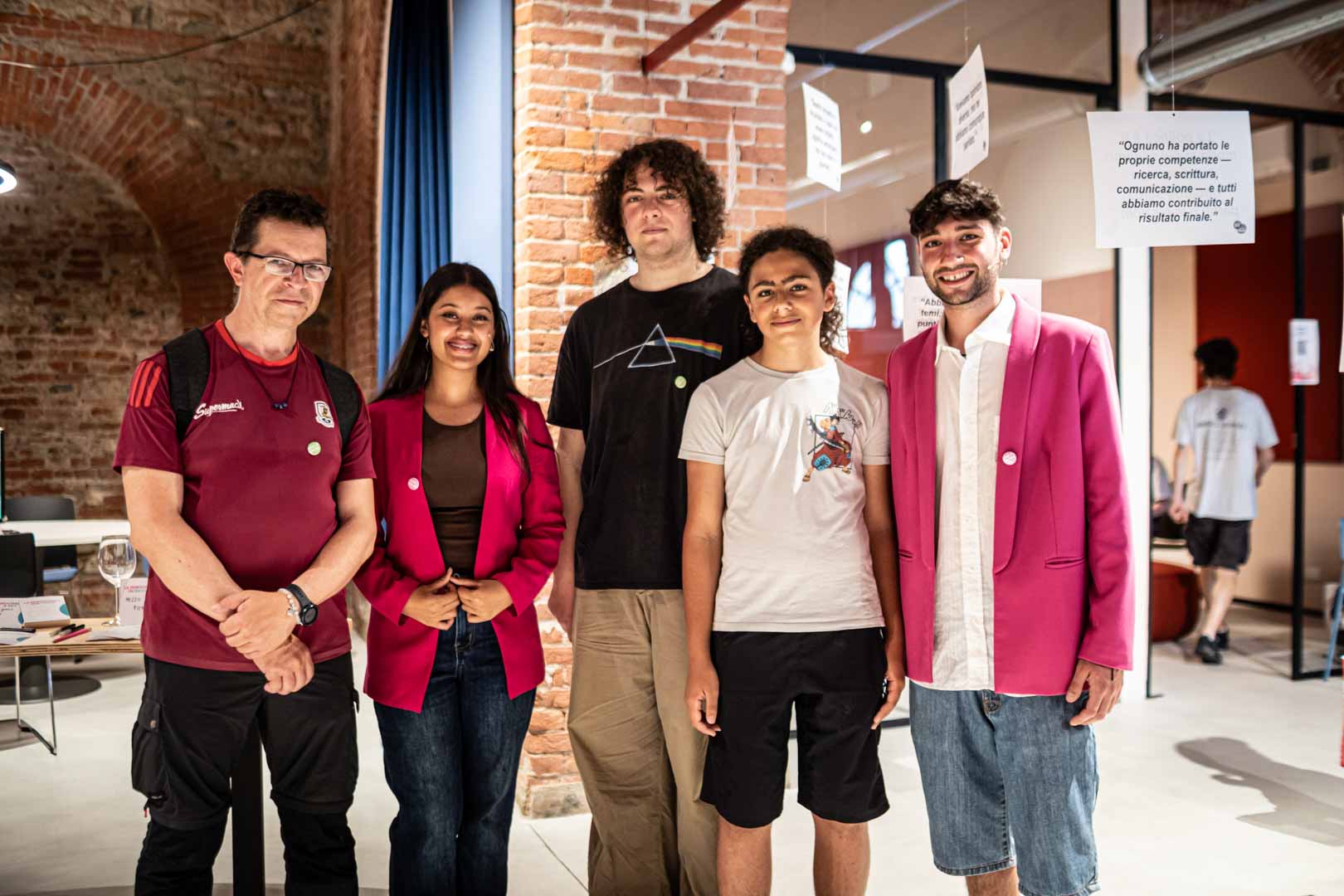
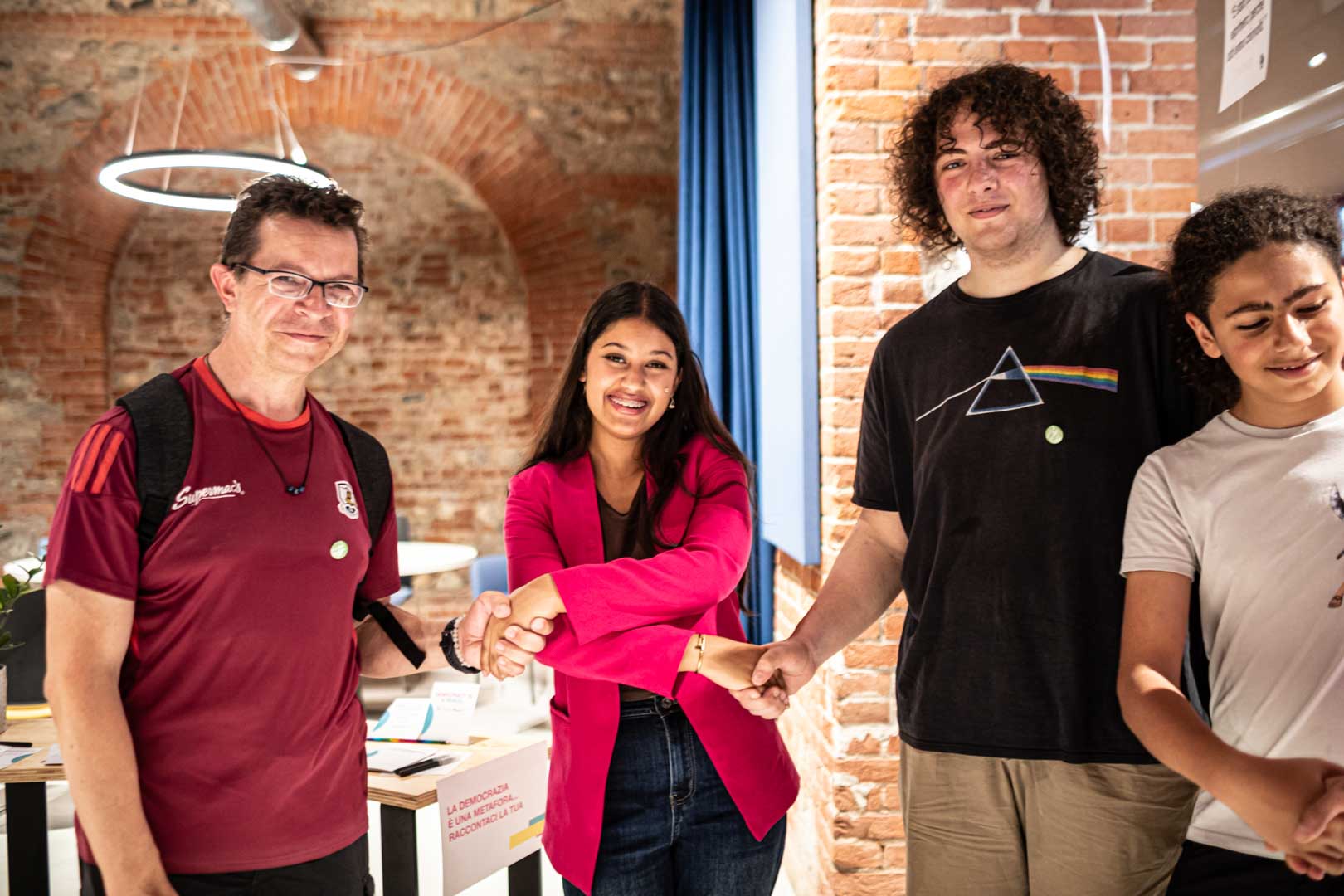
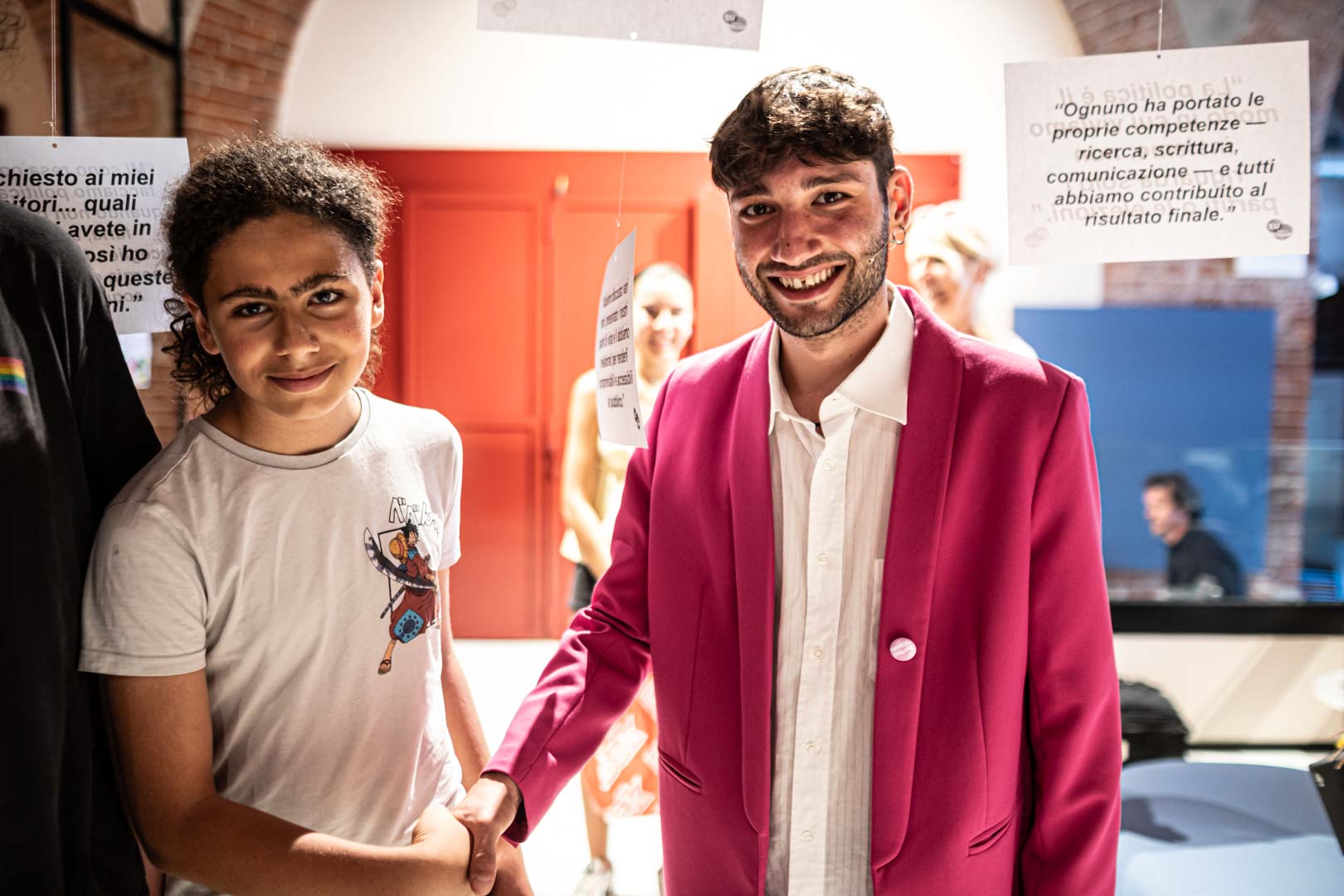
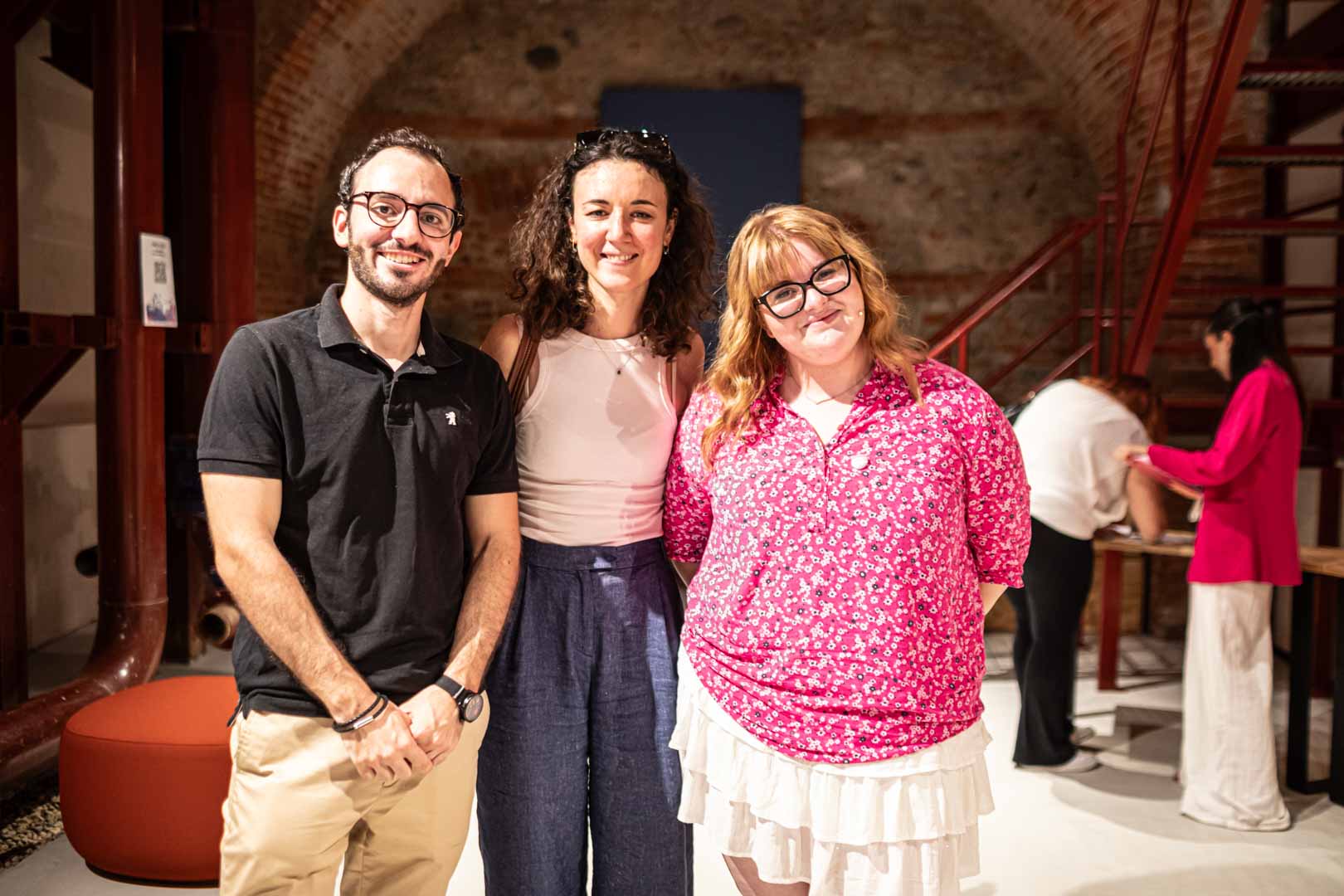
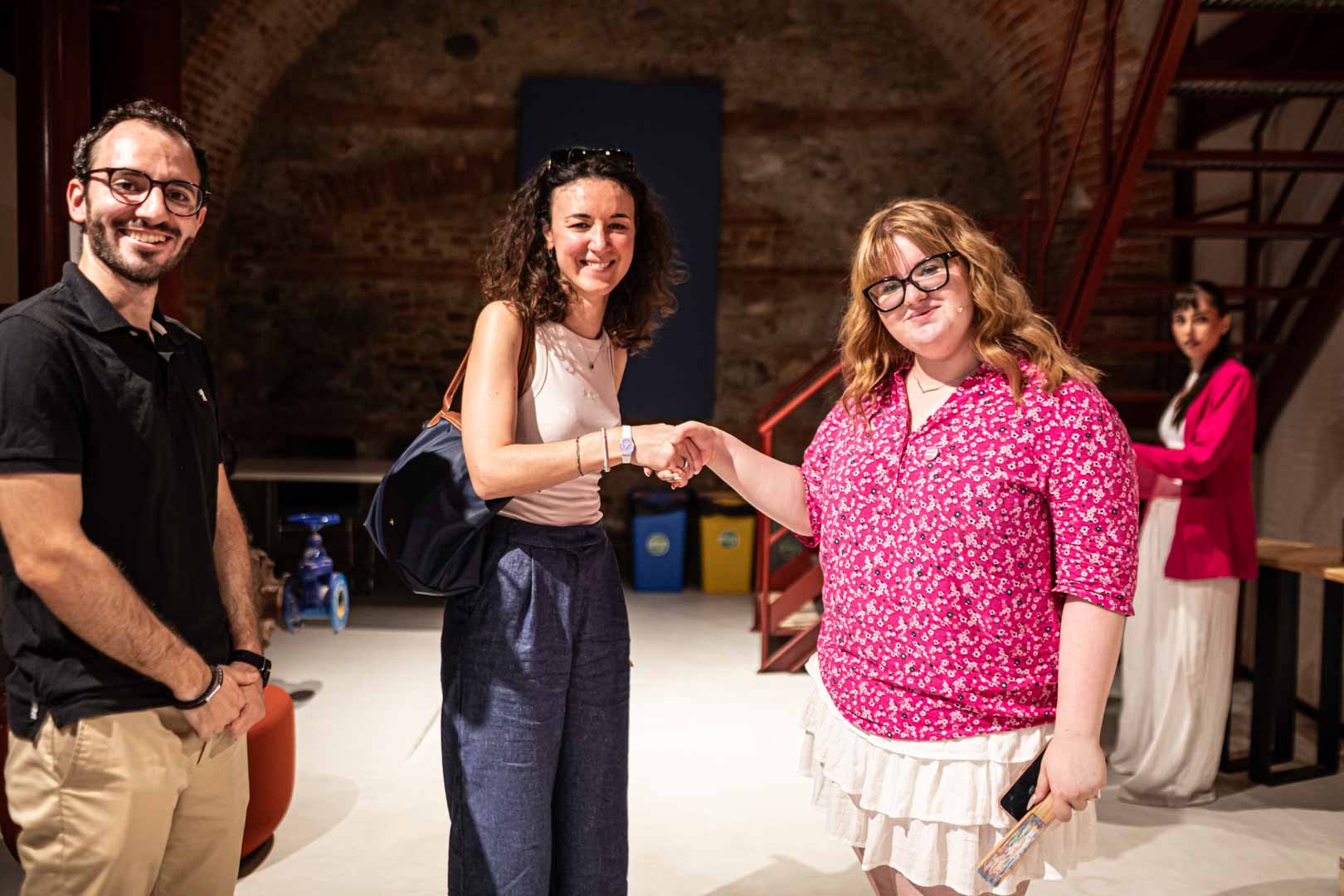
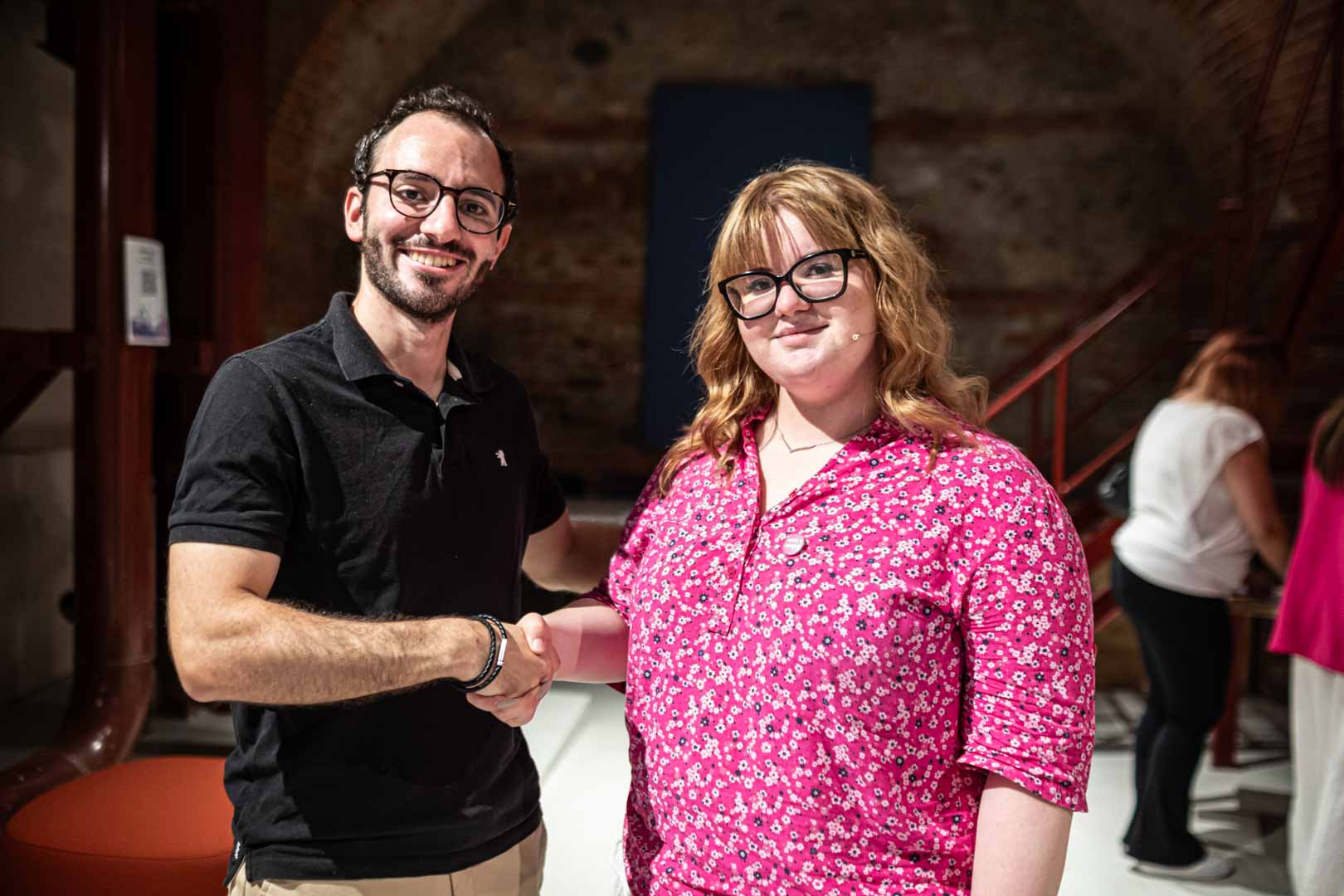
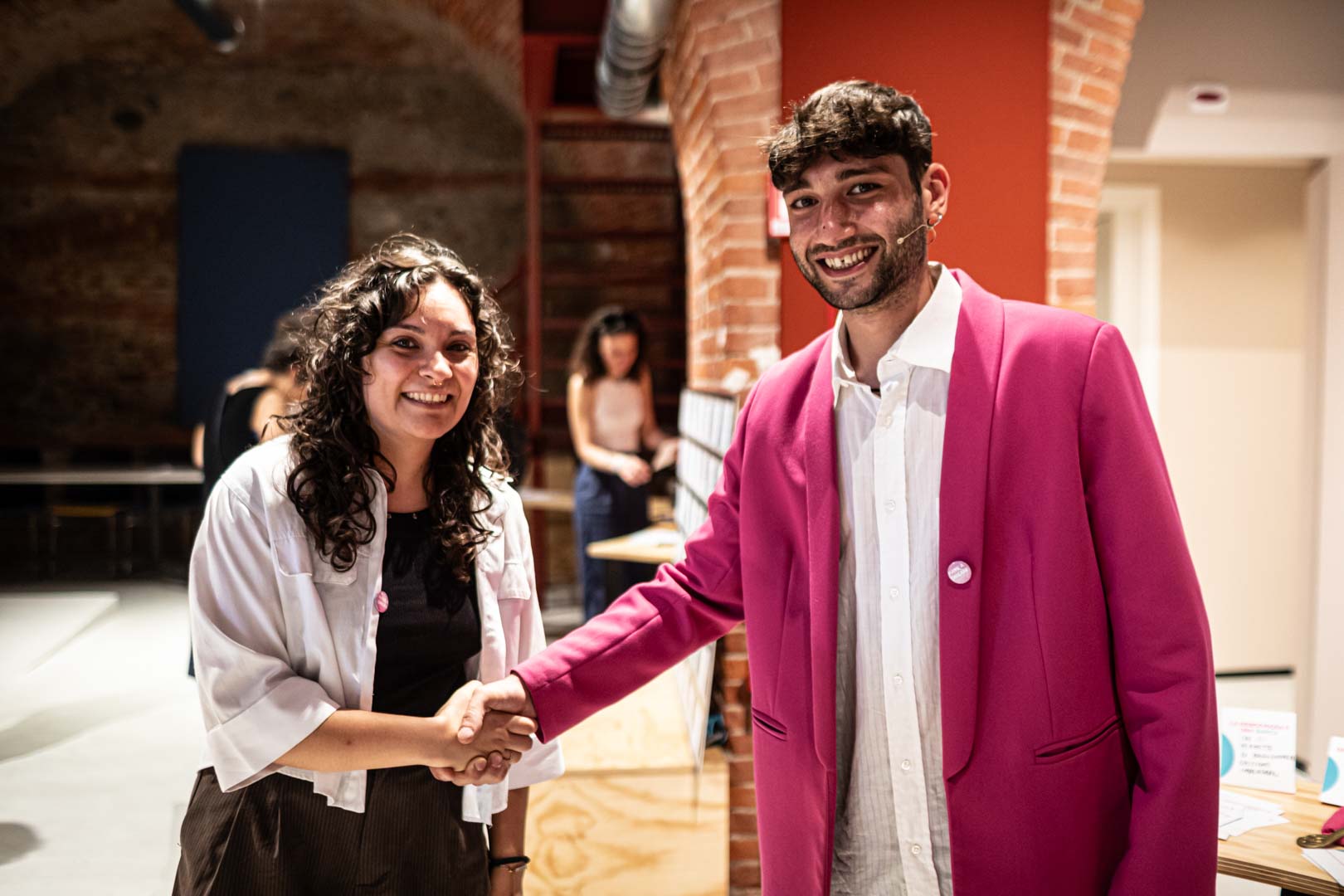
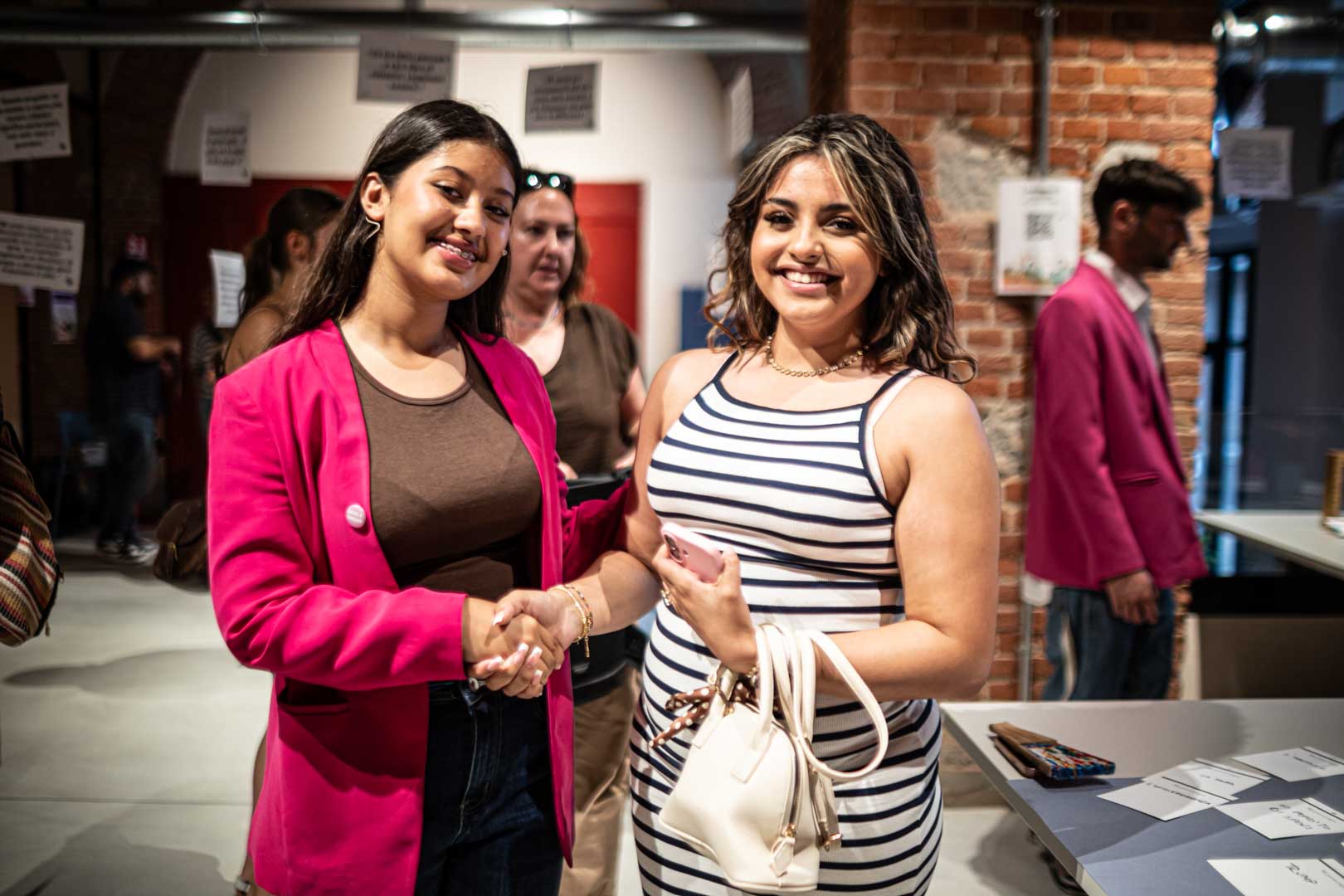
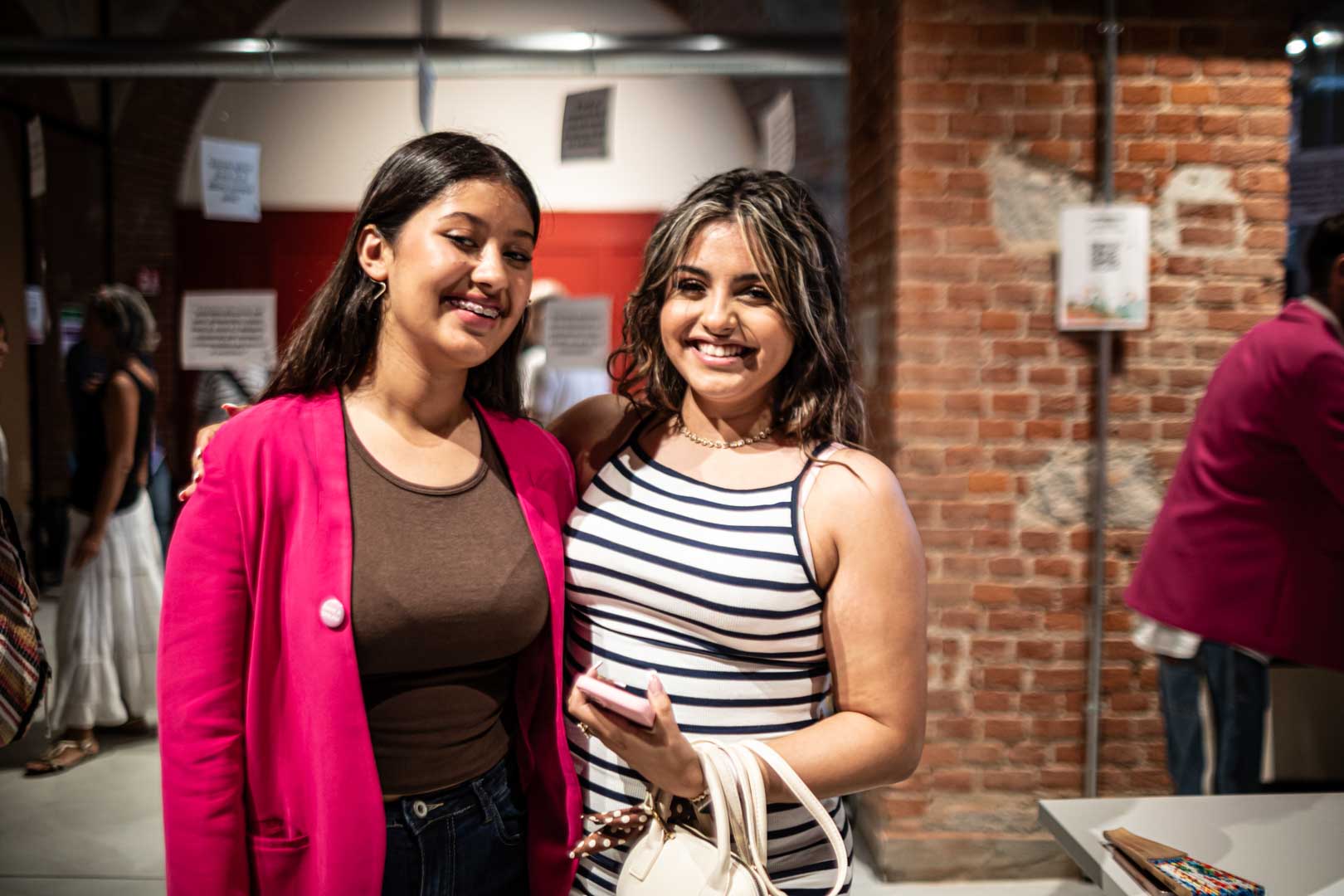
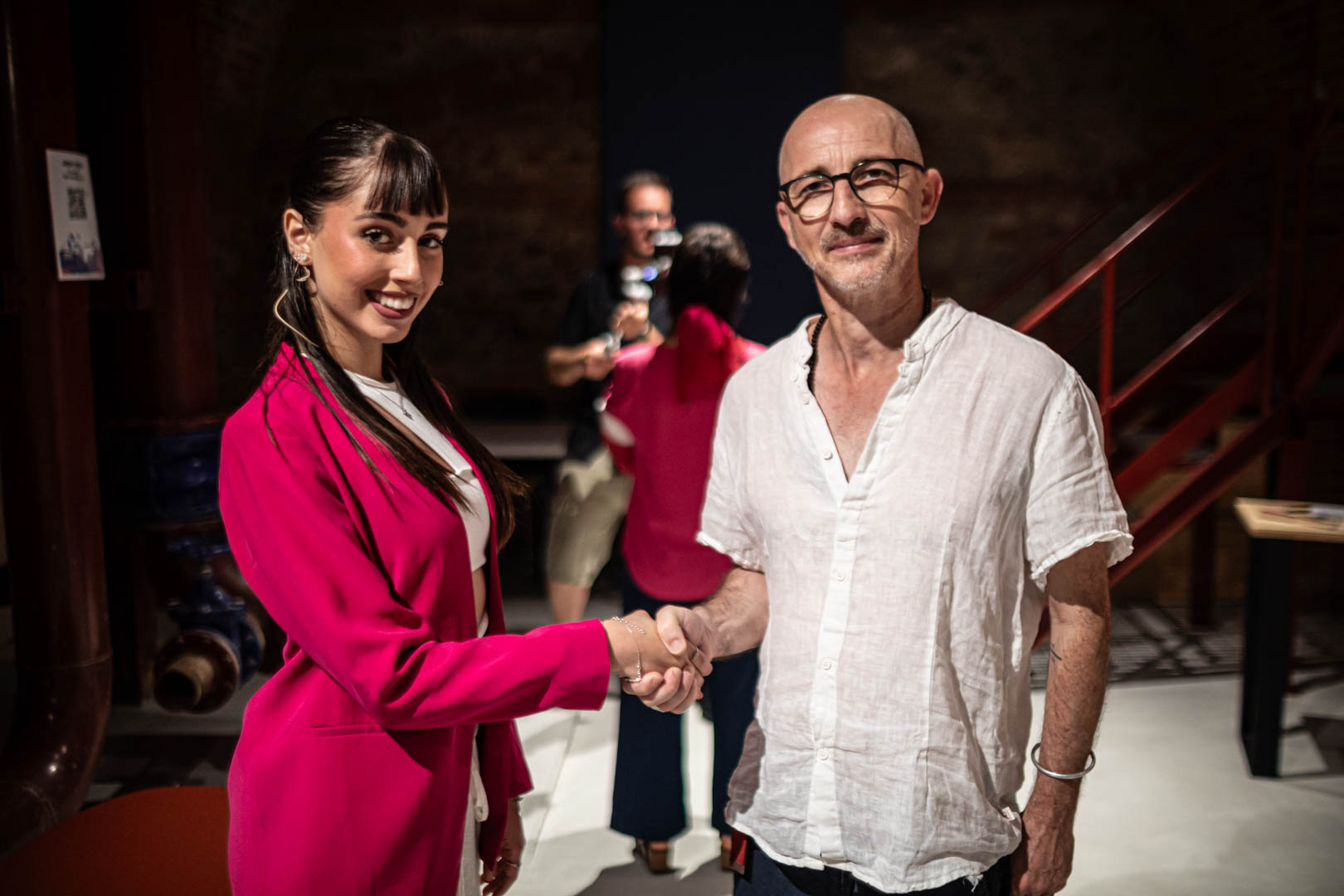
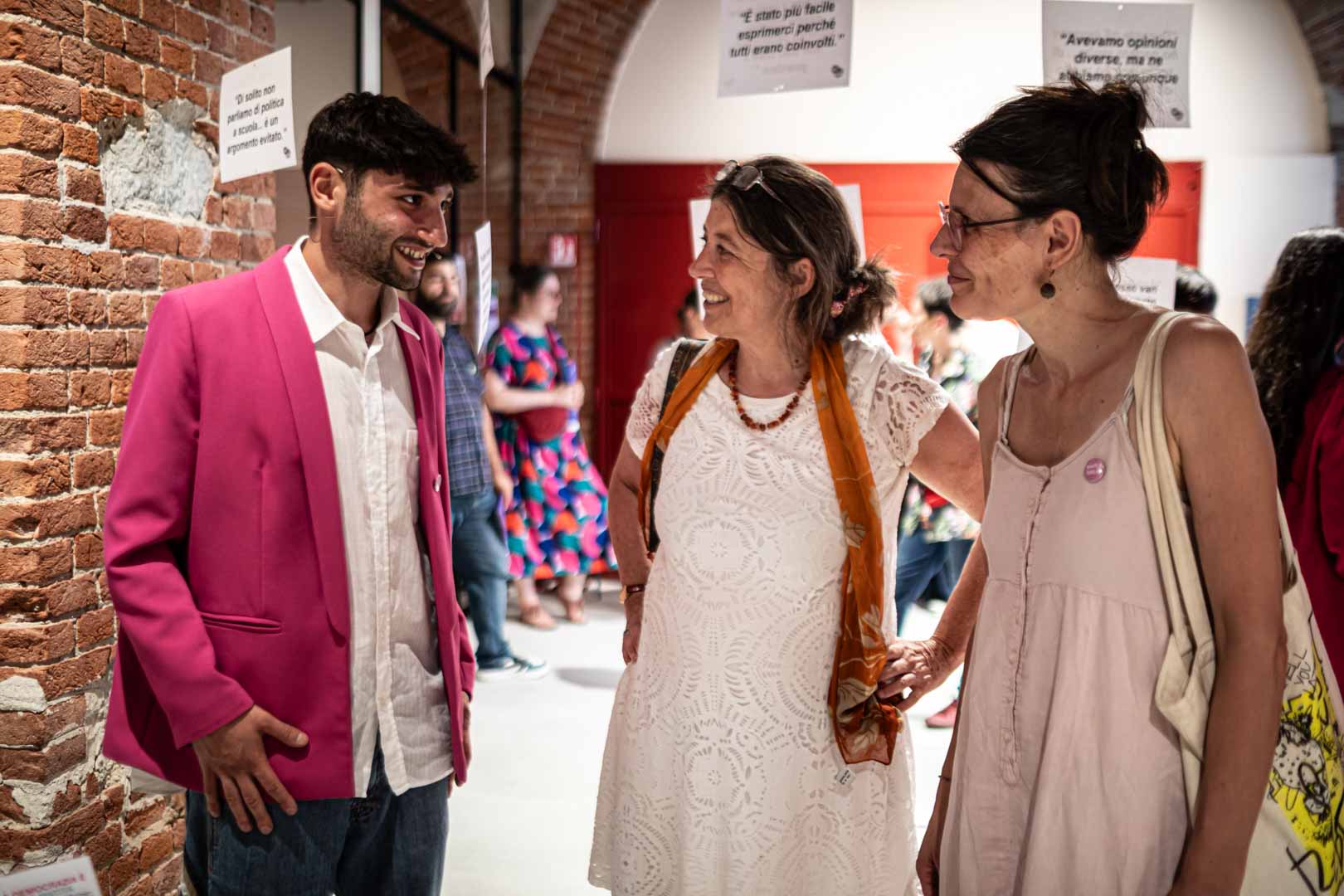
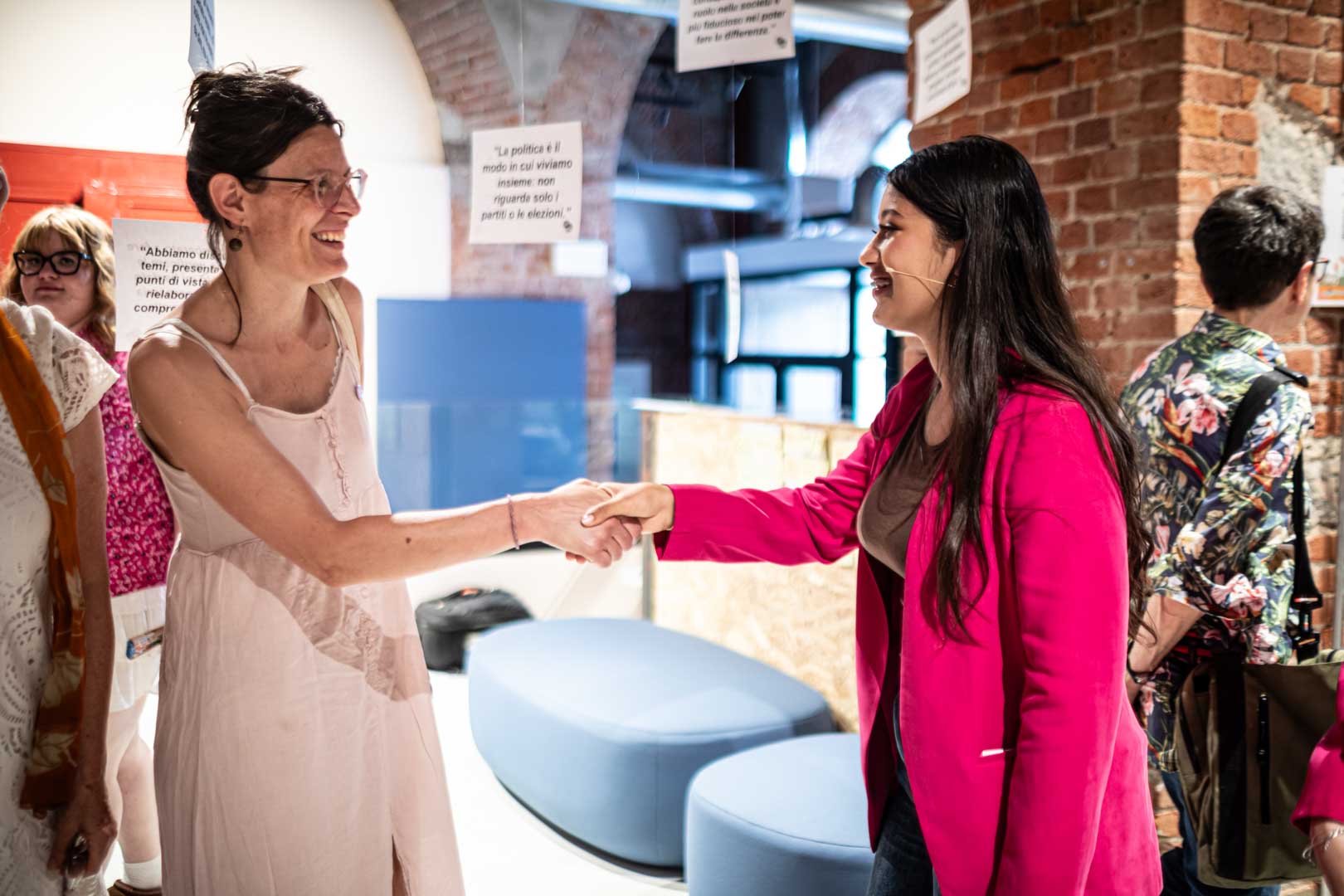
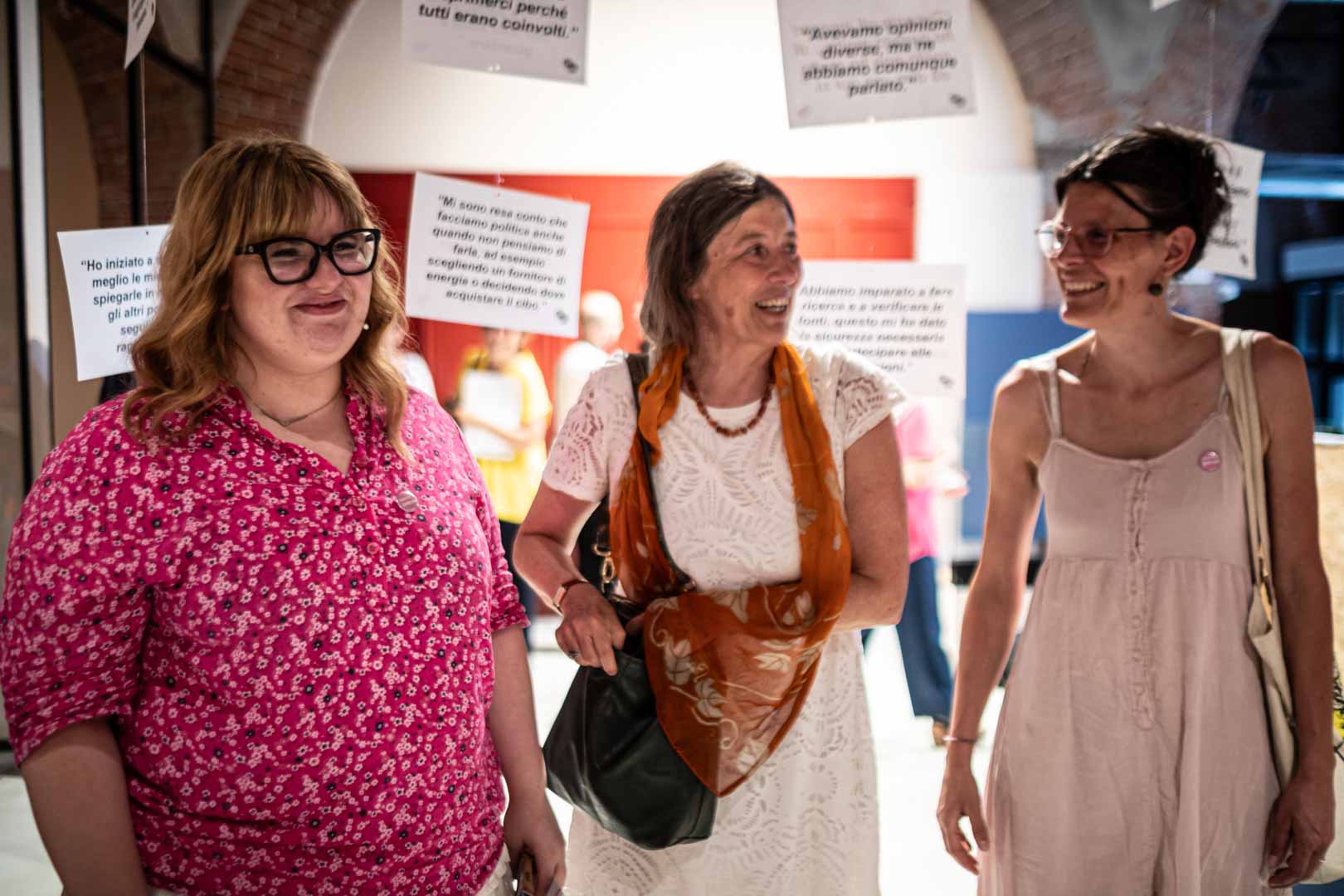
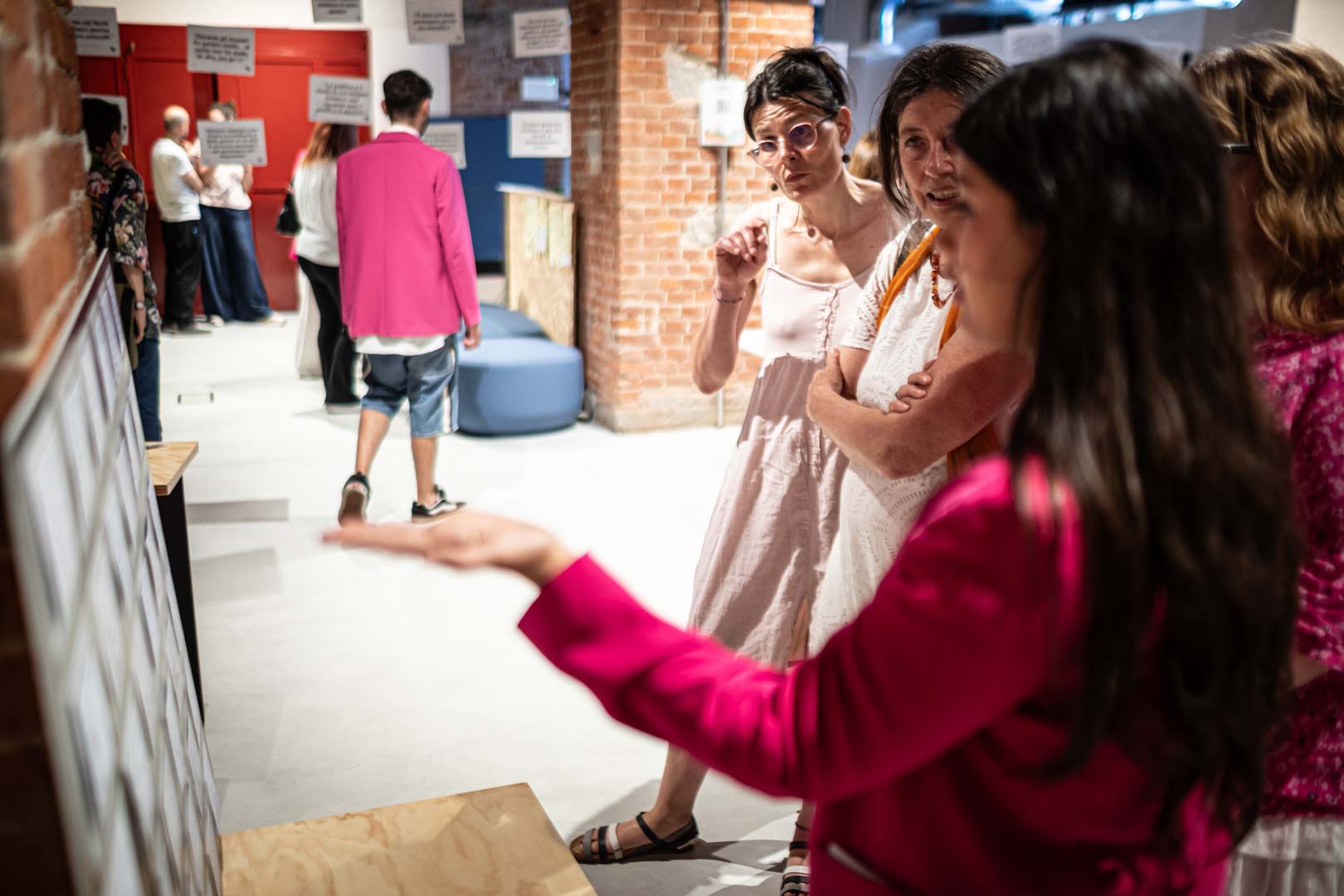
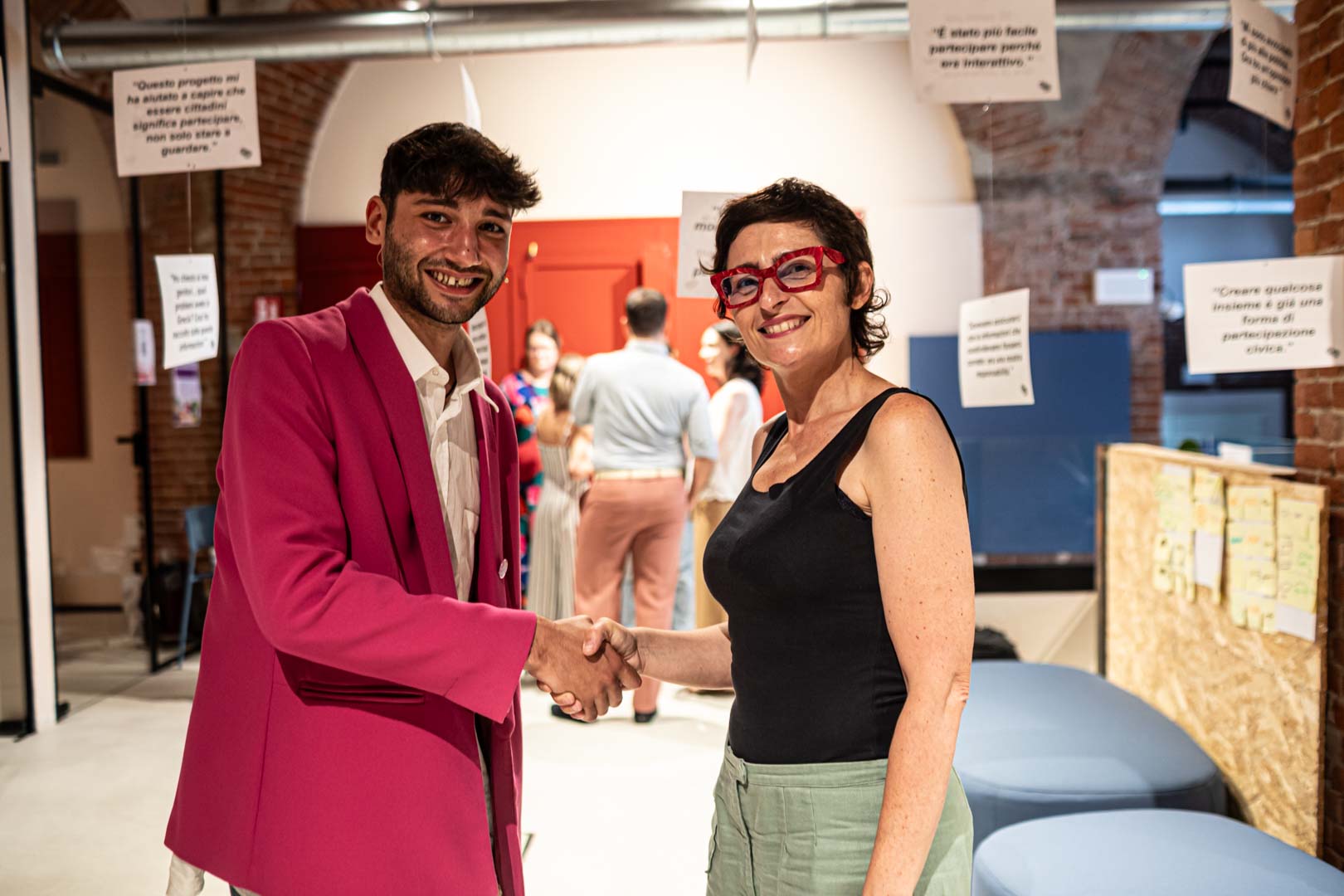
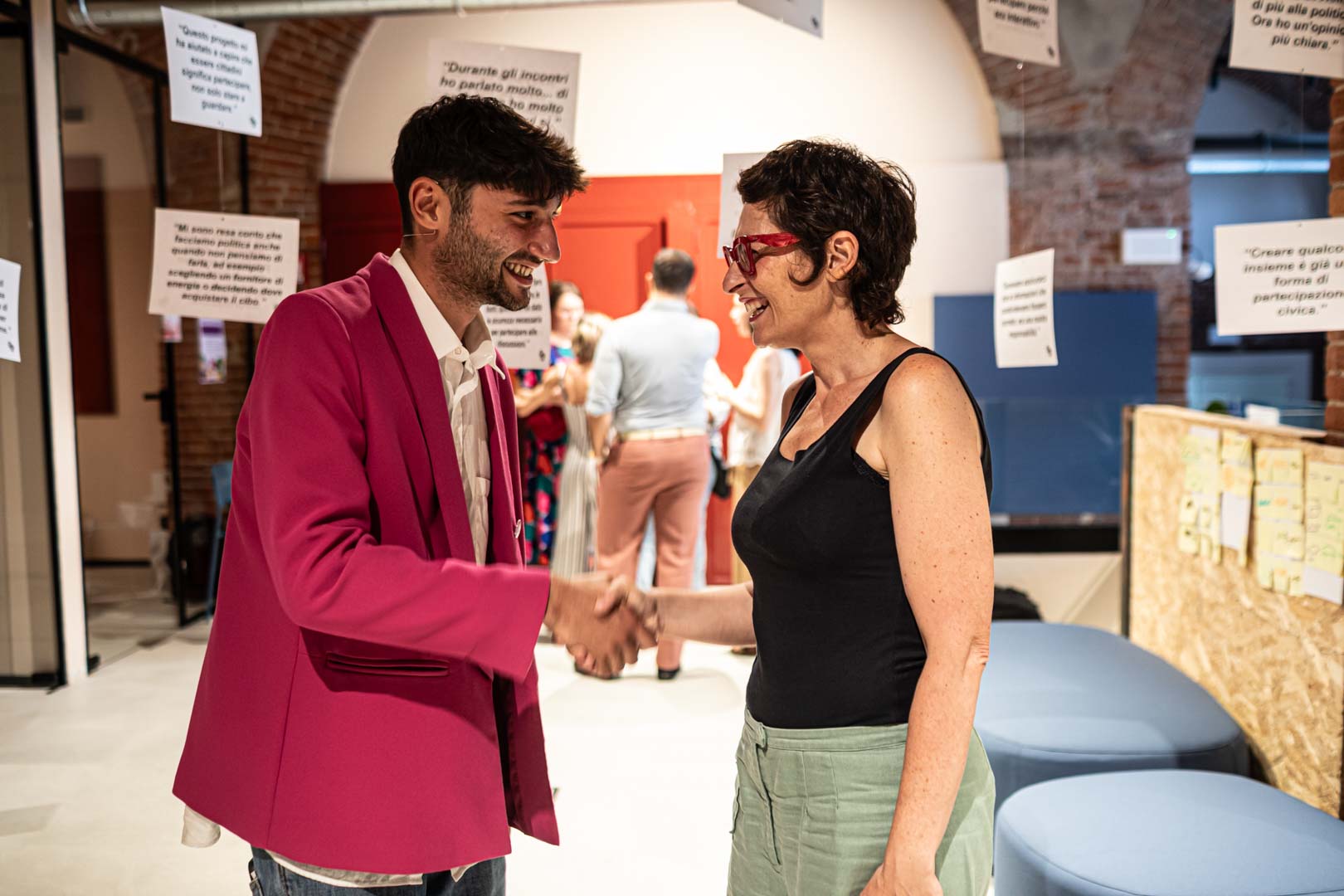
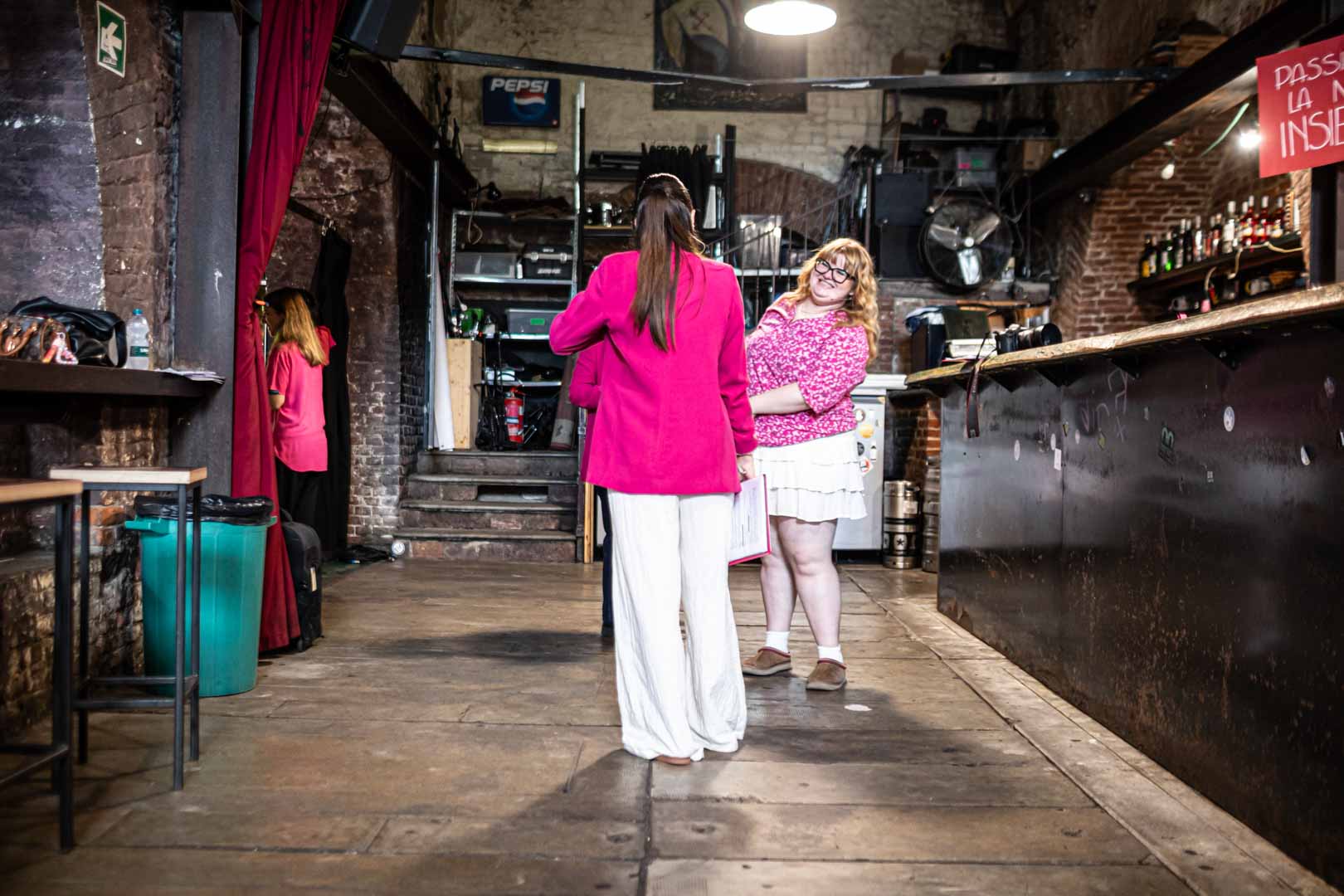
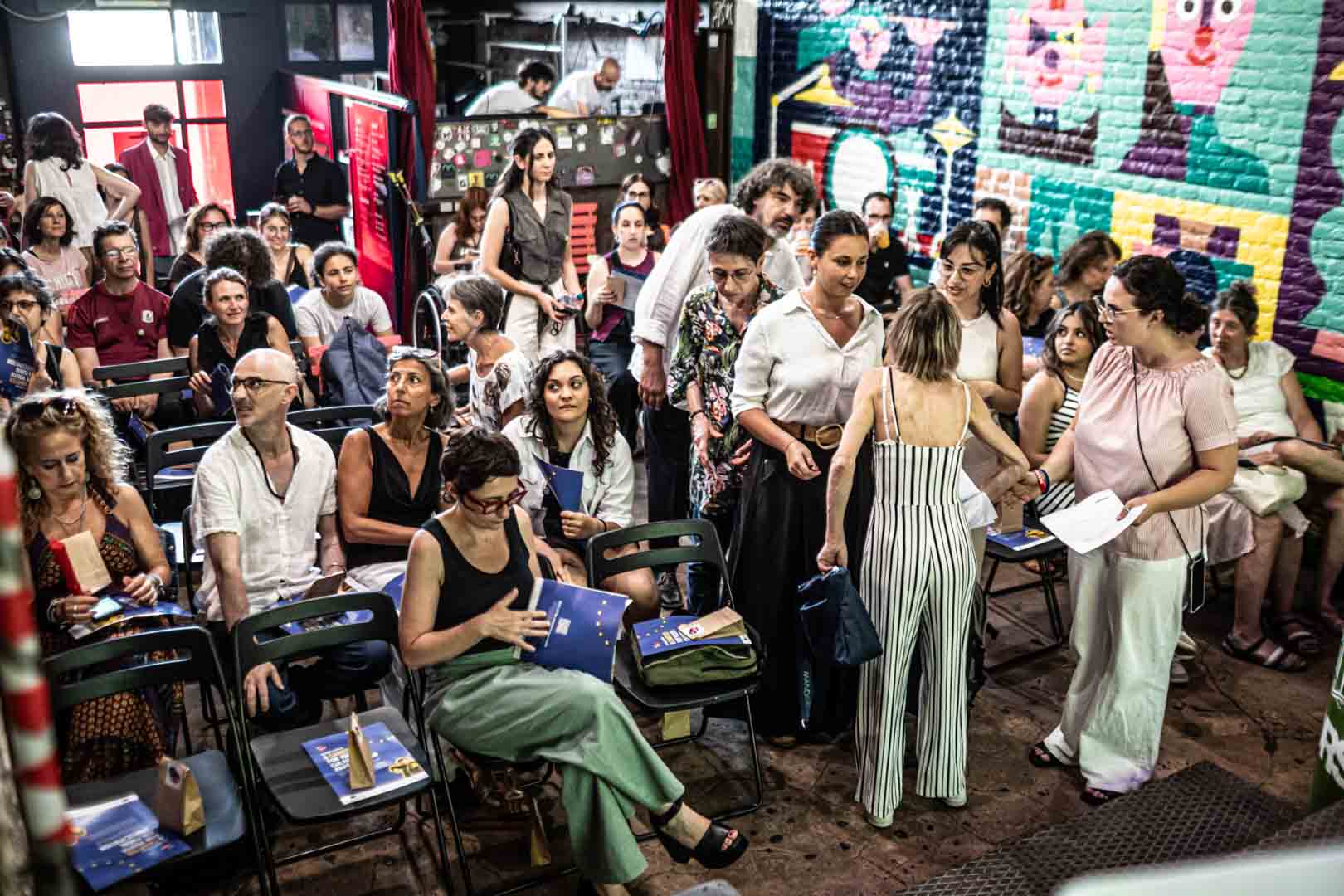
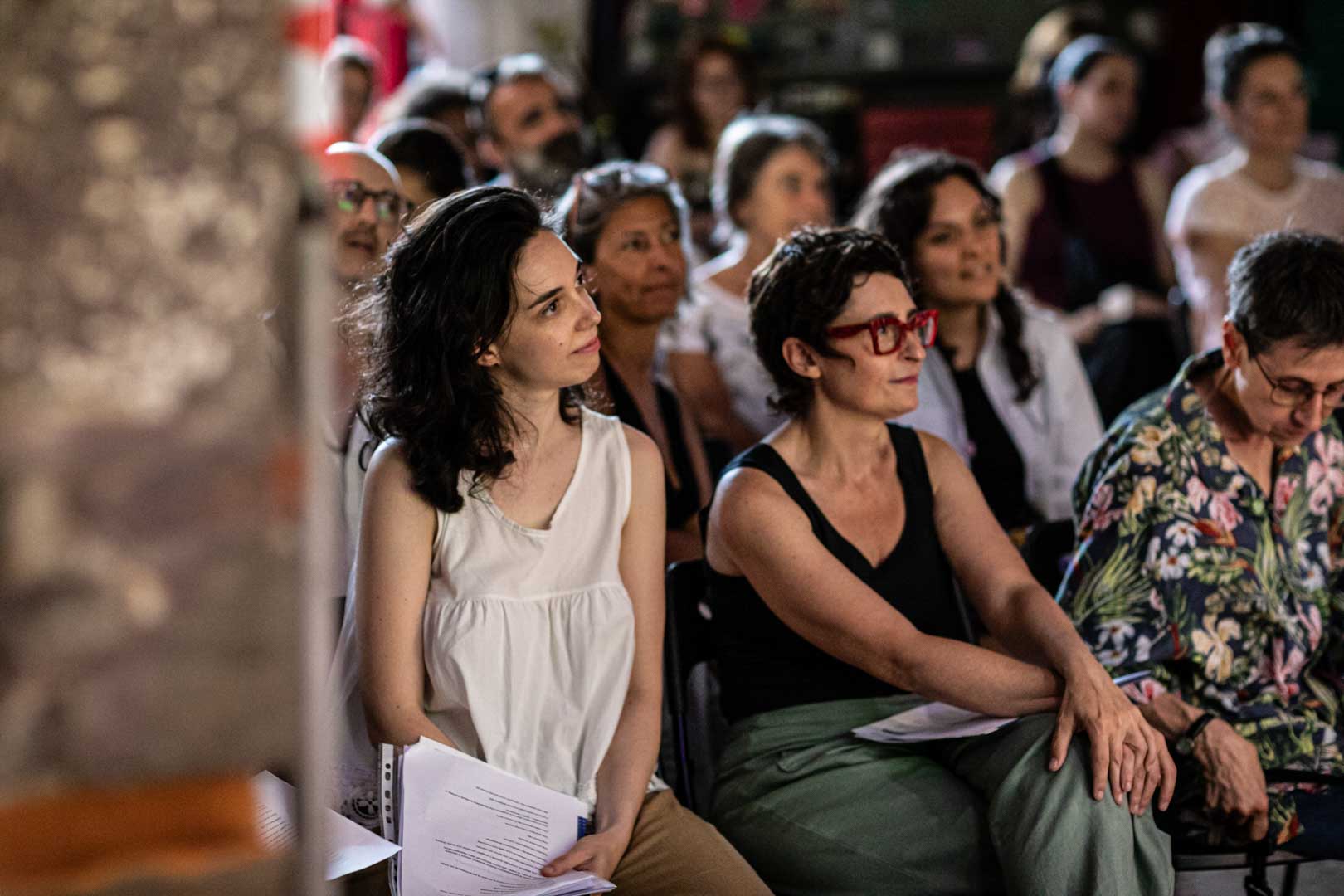
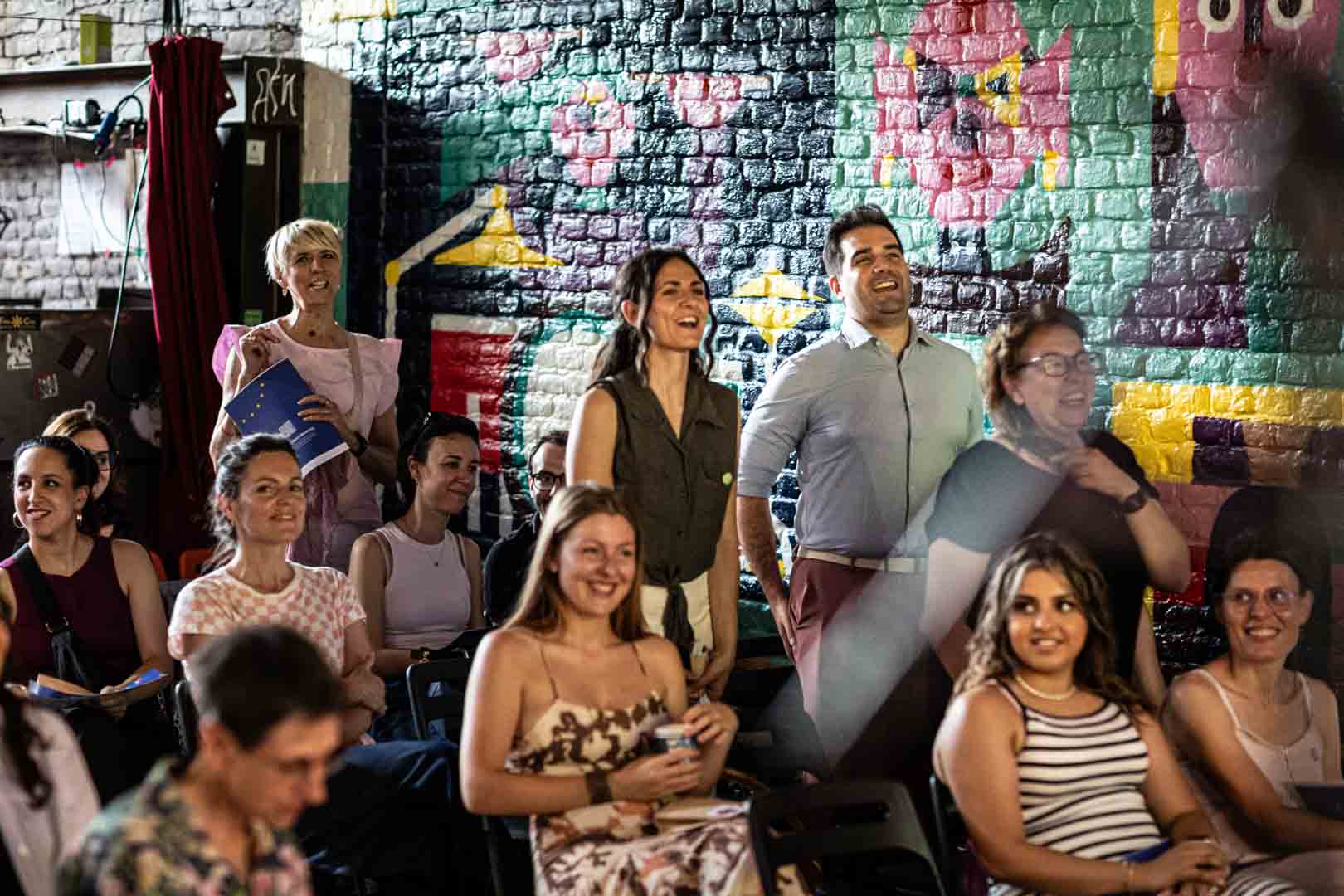
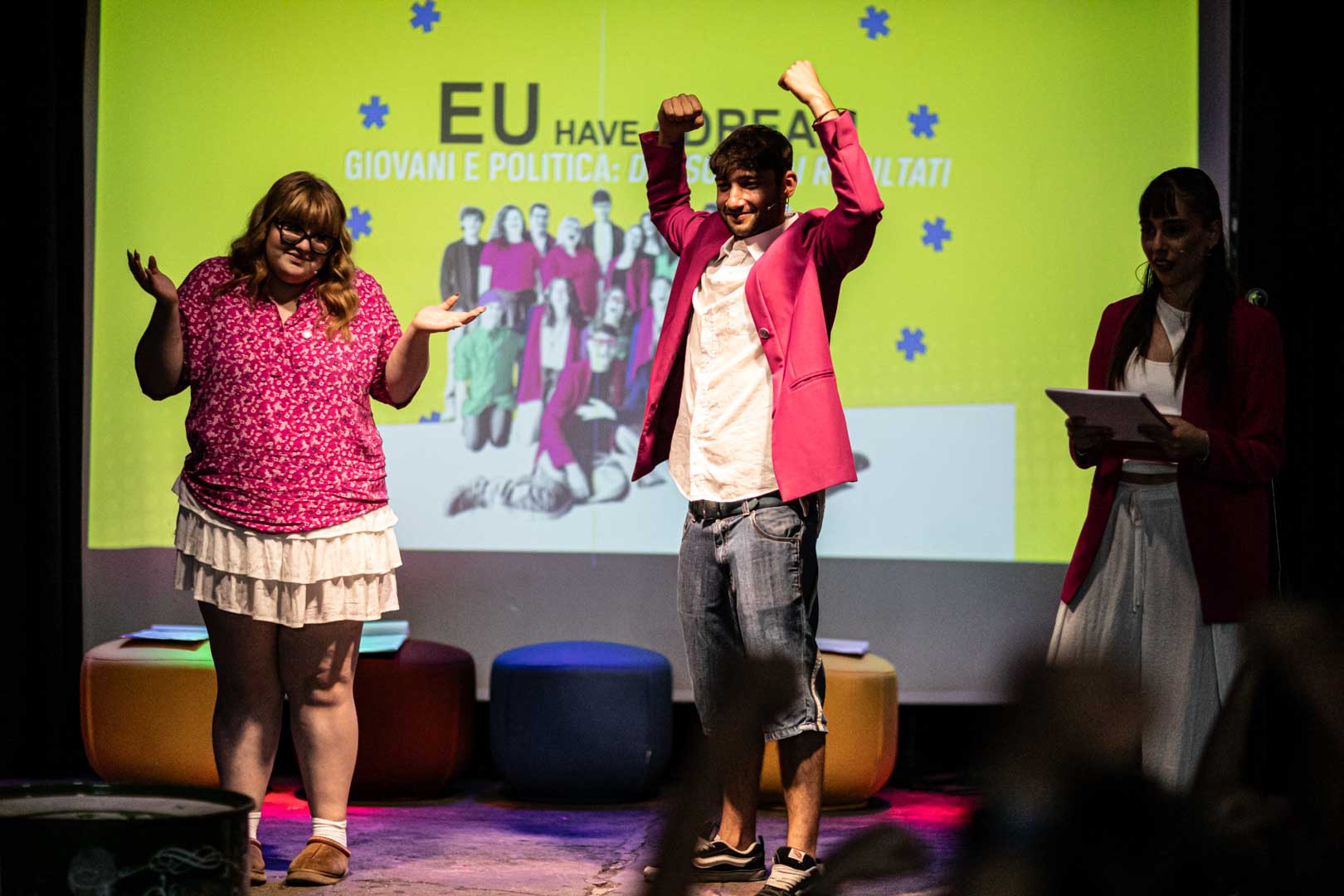
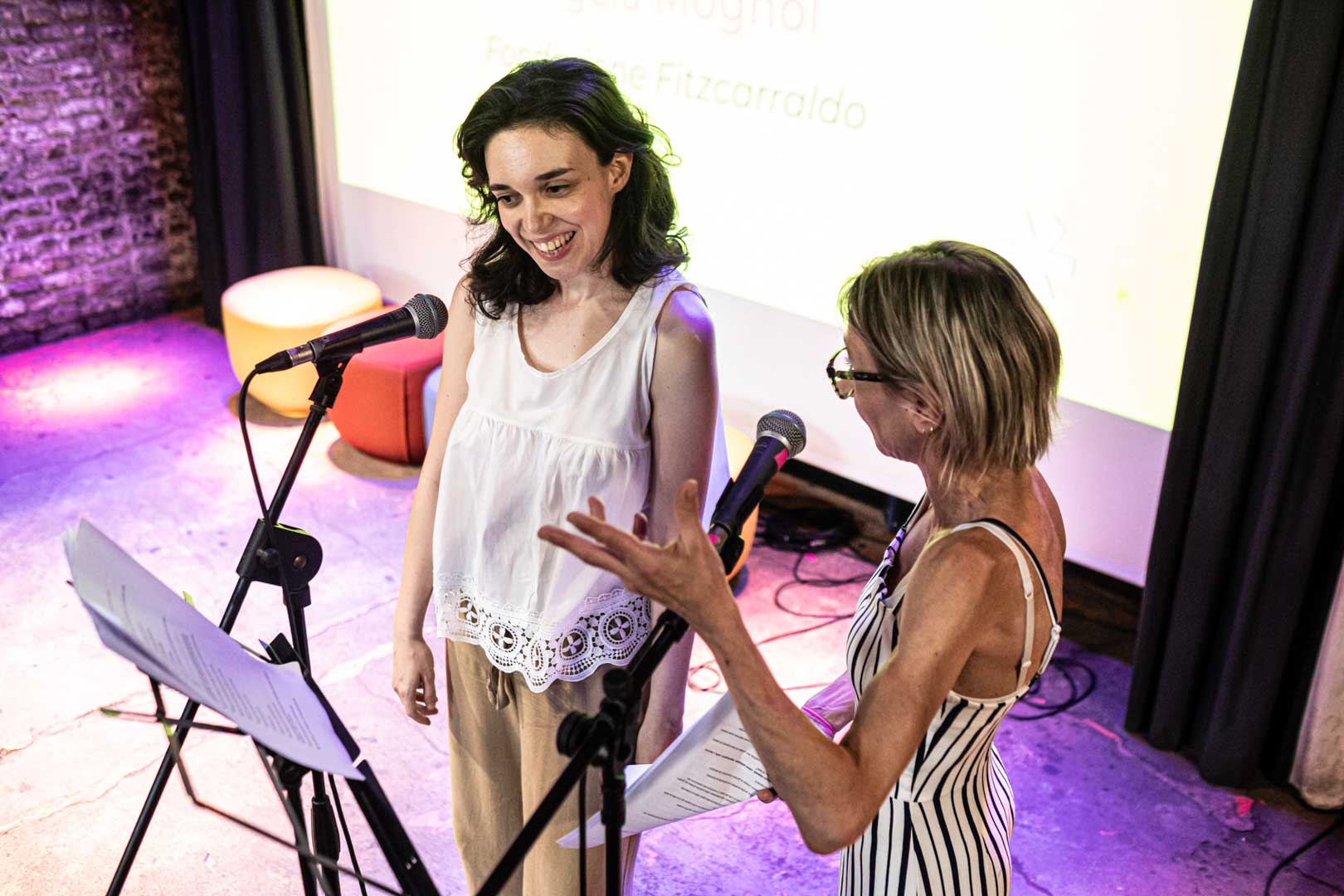
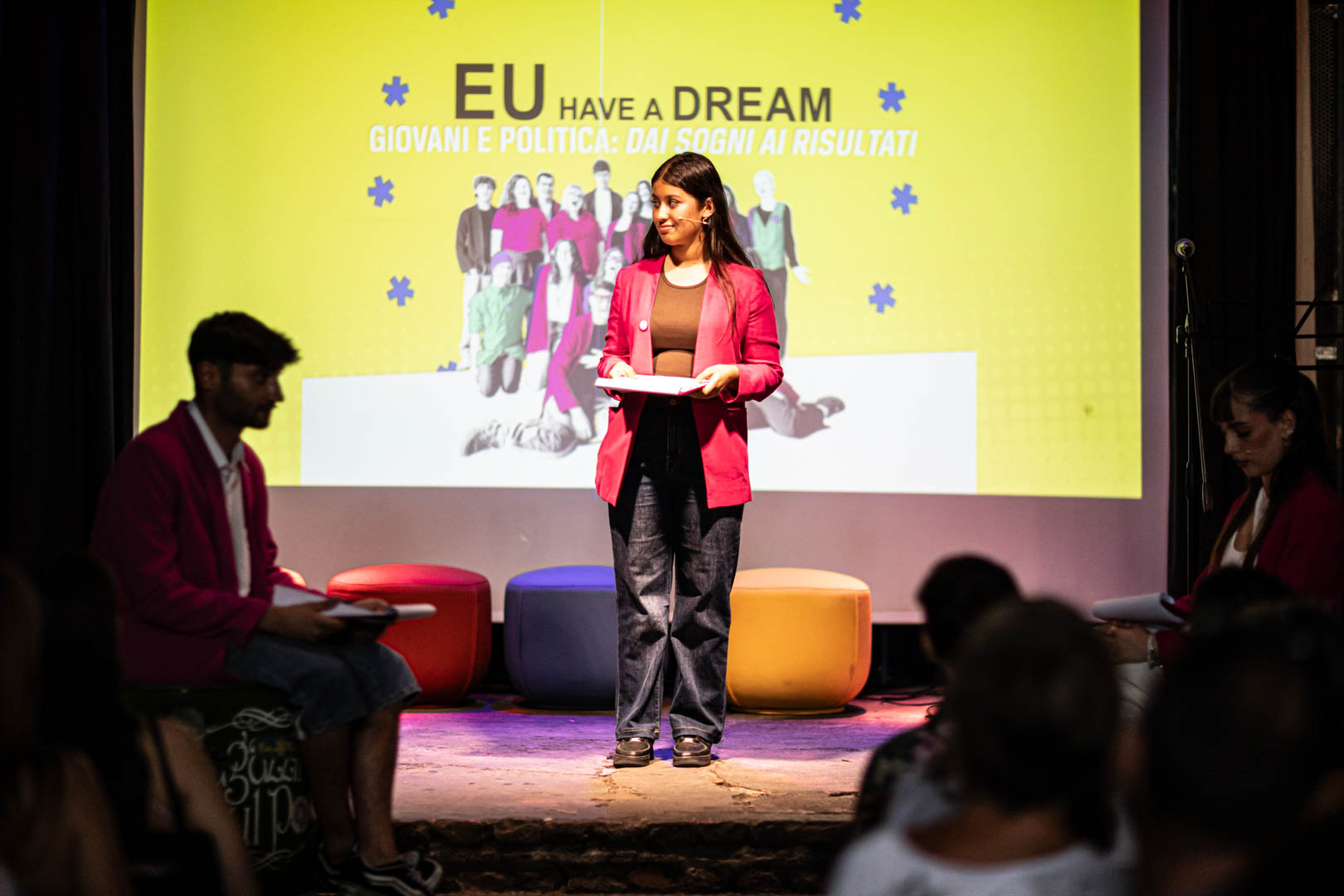
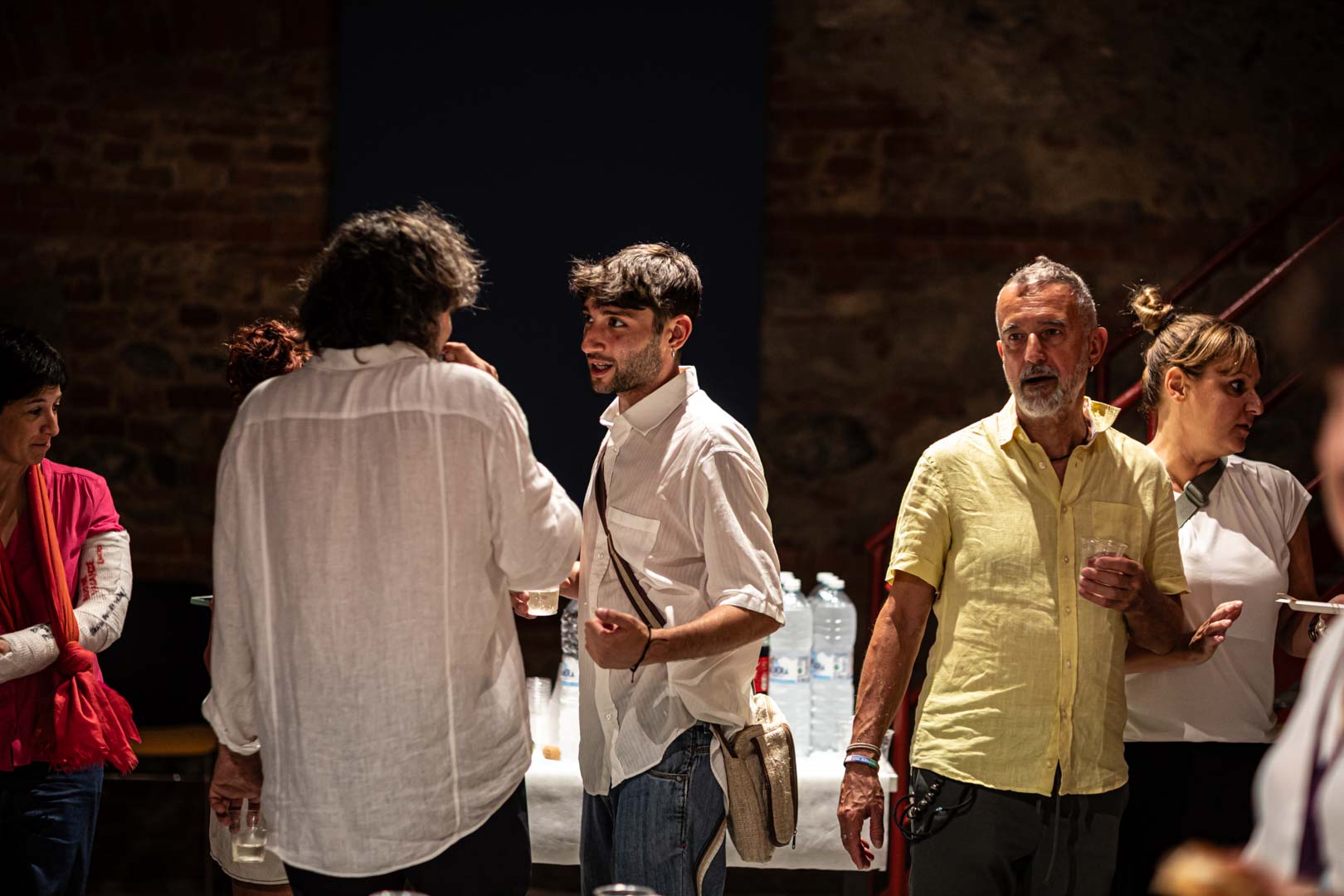
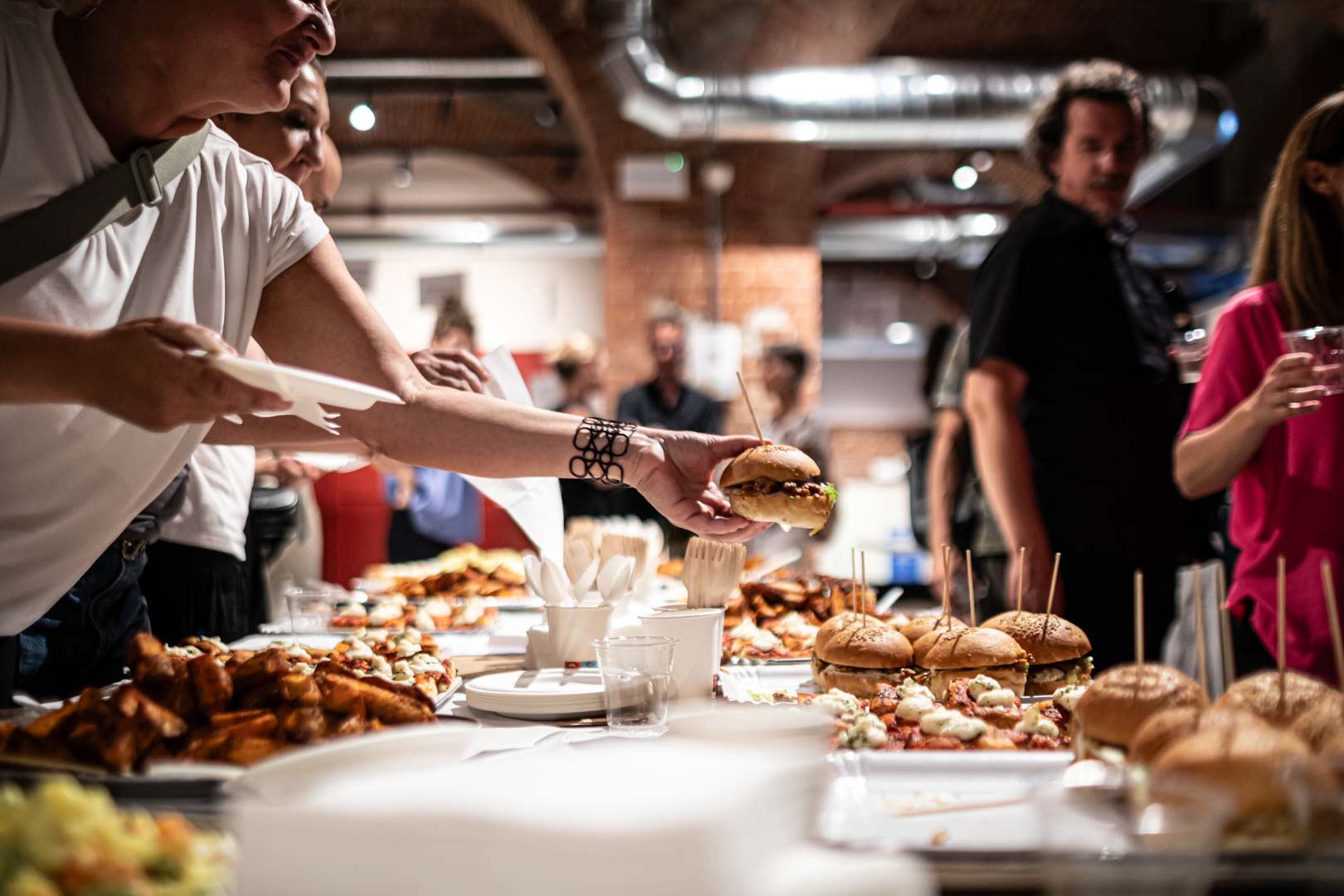
The EU HAVE A DREAM Final Conference took place on 22 June 2026 in Turin, Italy, bringing together young people, project partners, policy makers, cultural and social professionals, local representatives and members of the wider community.
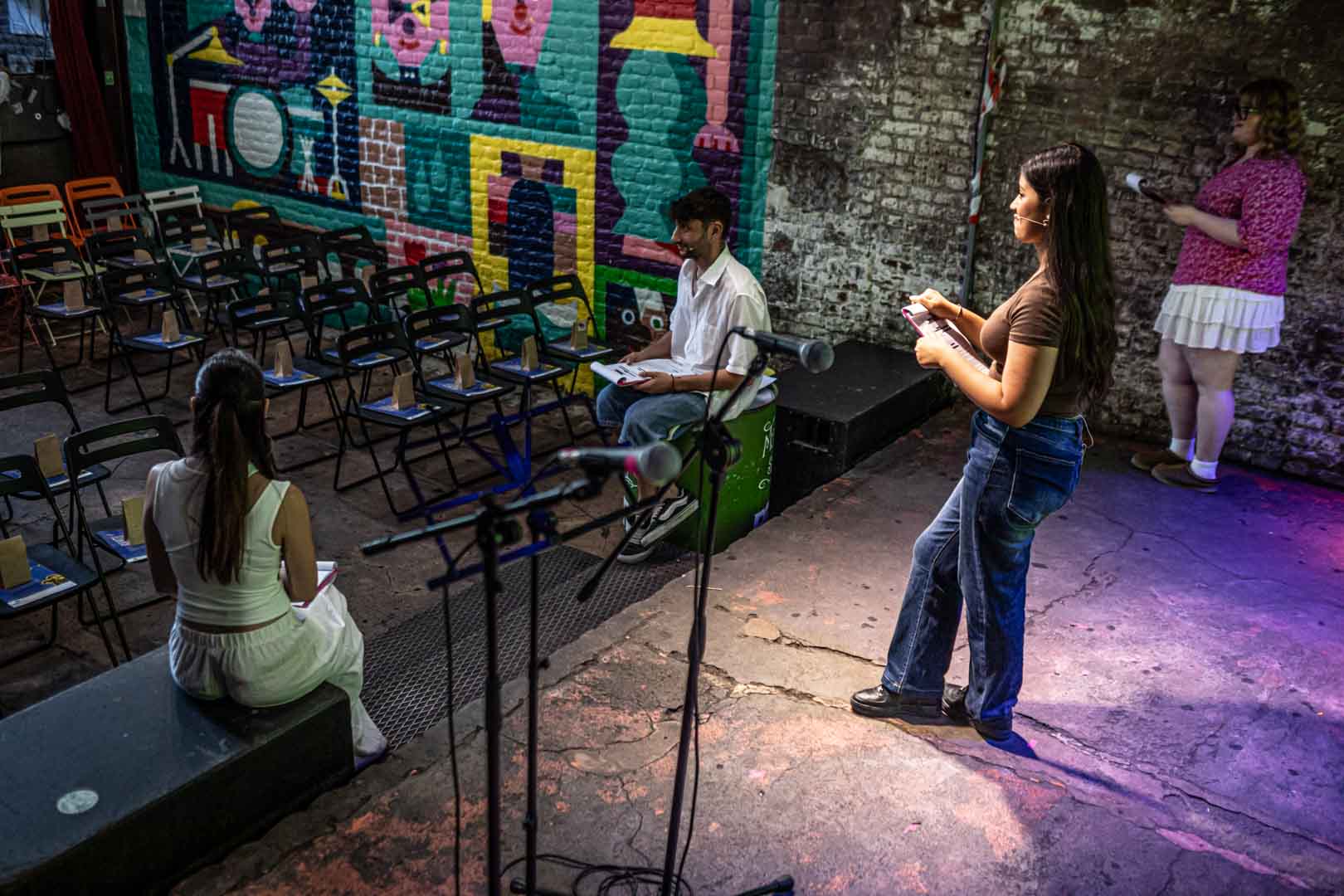
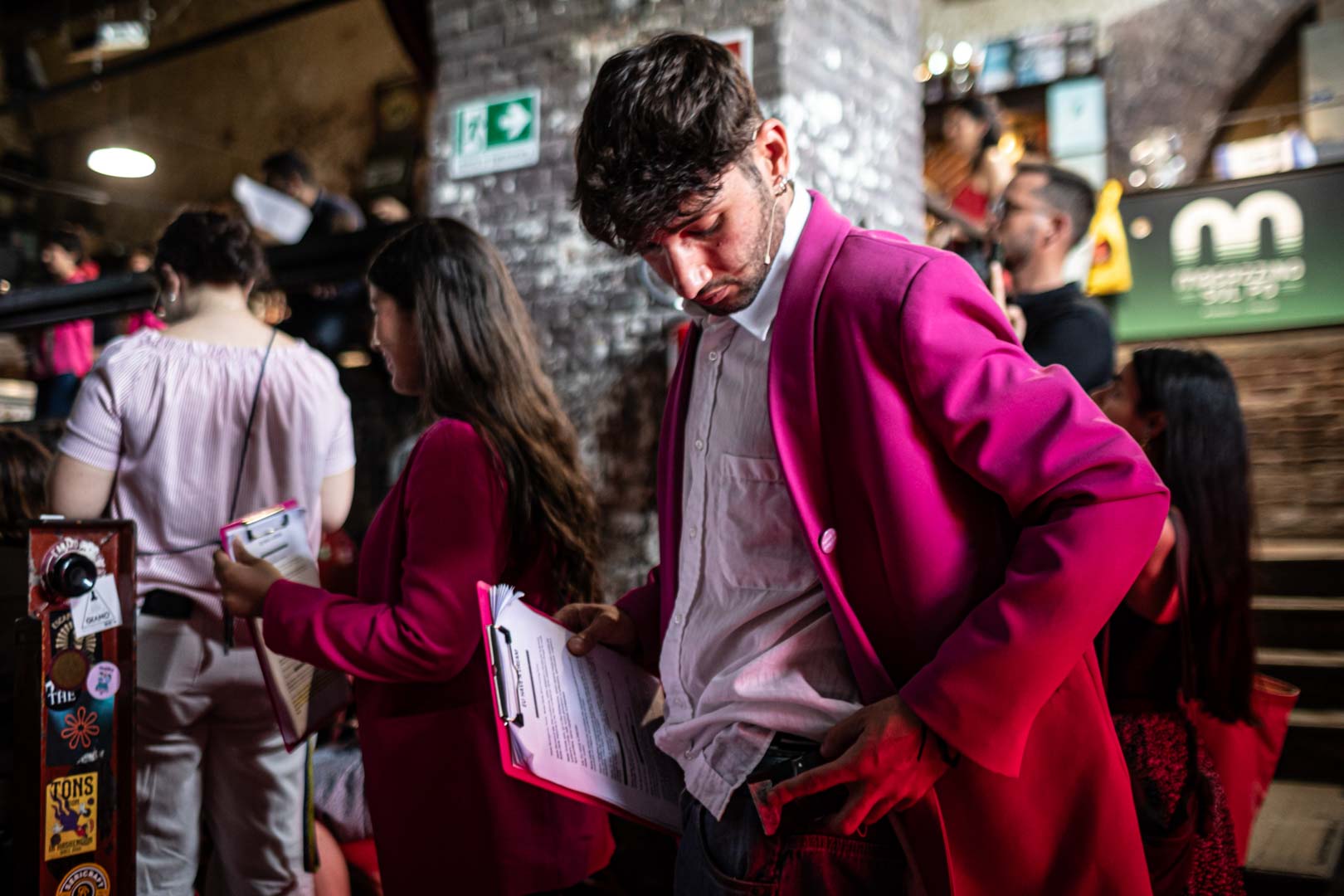
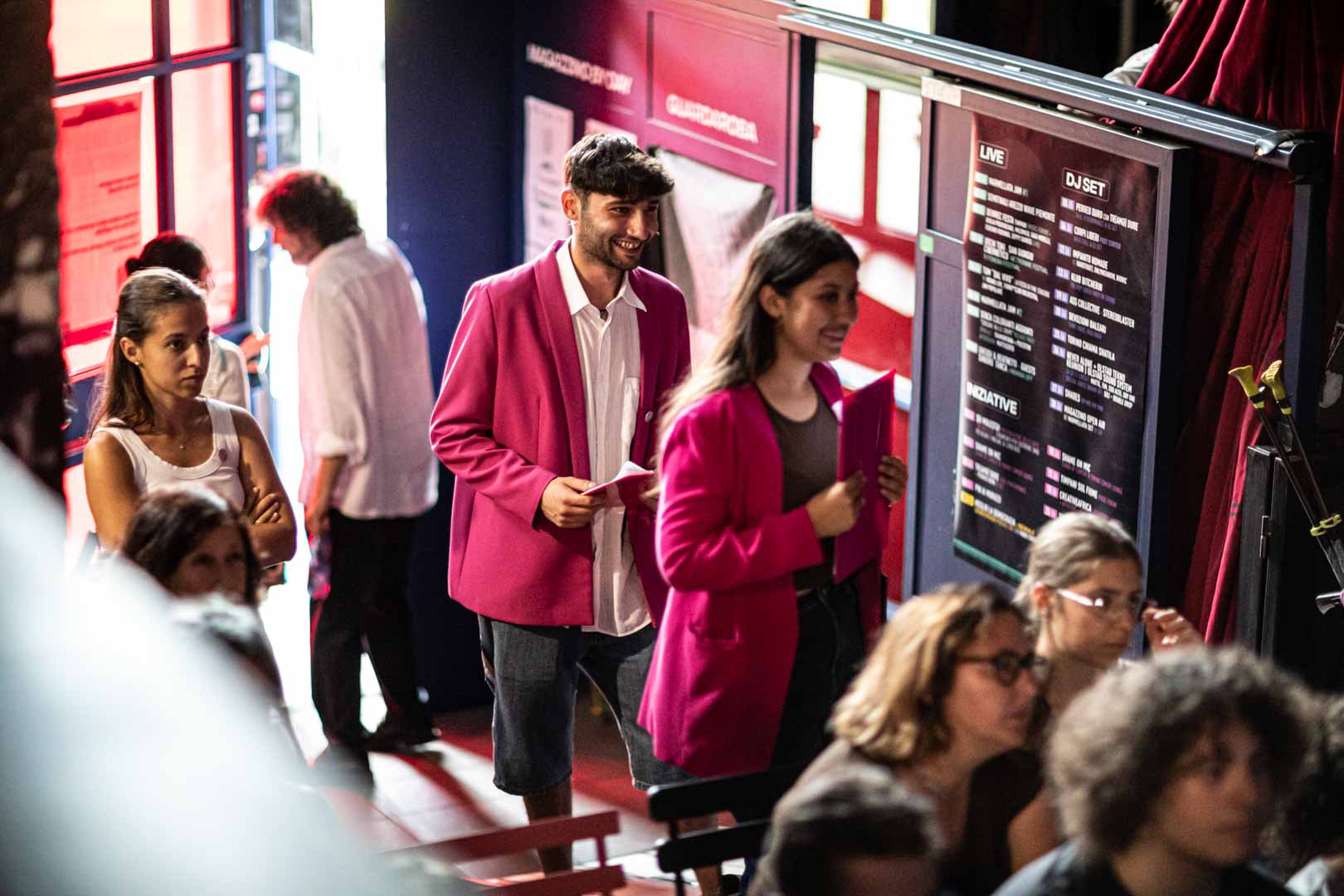
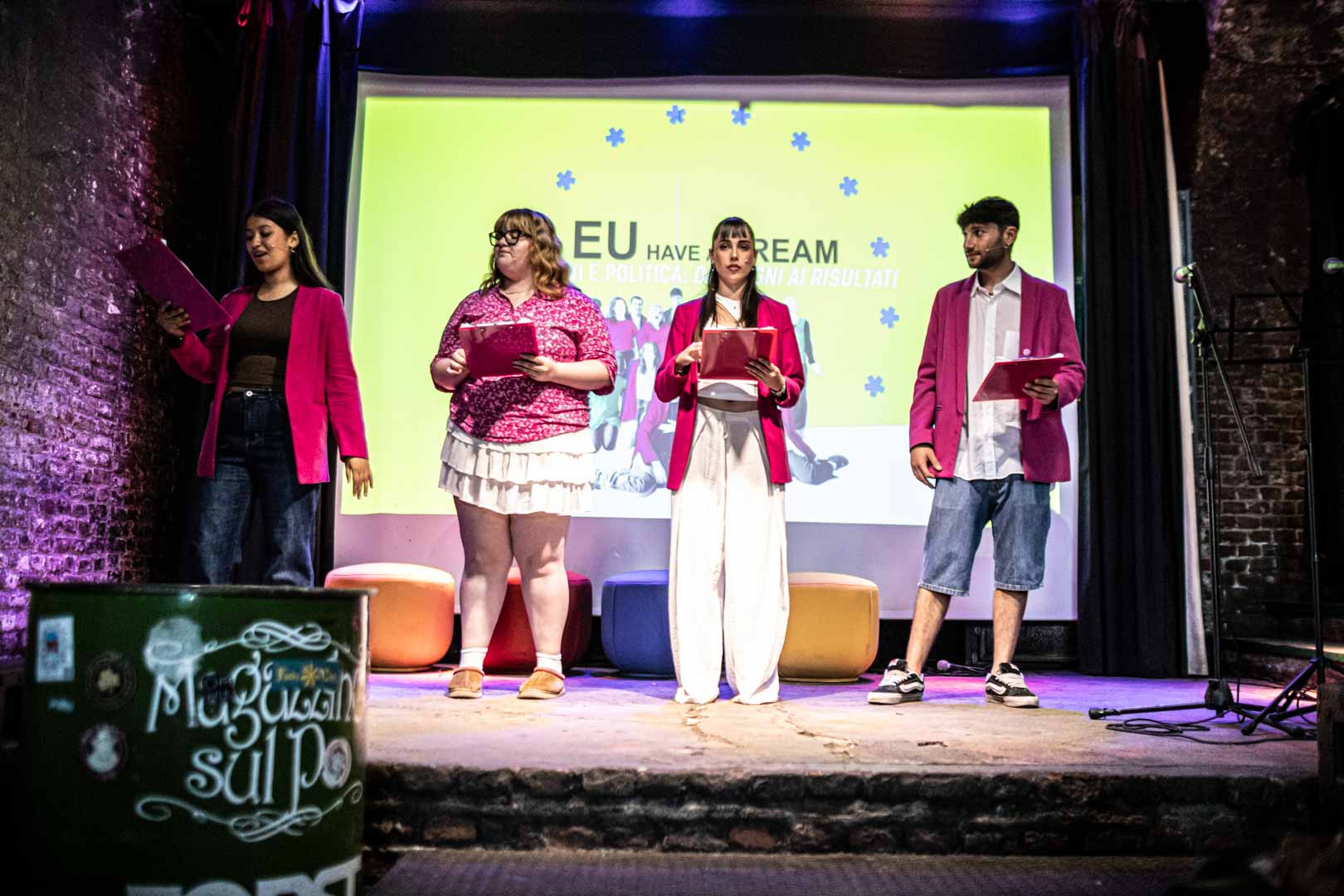
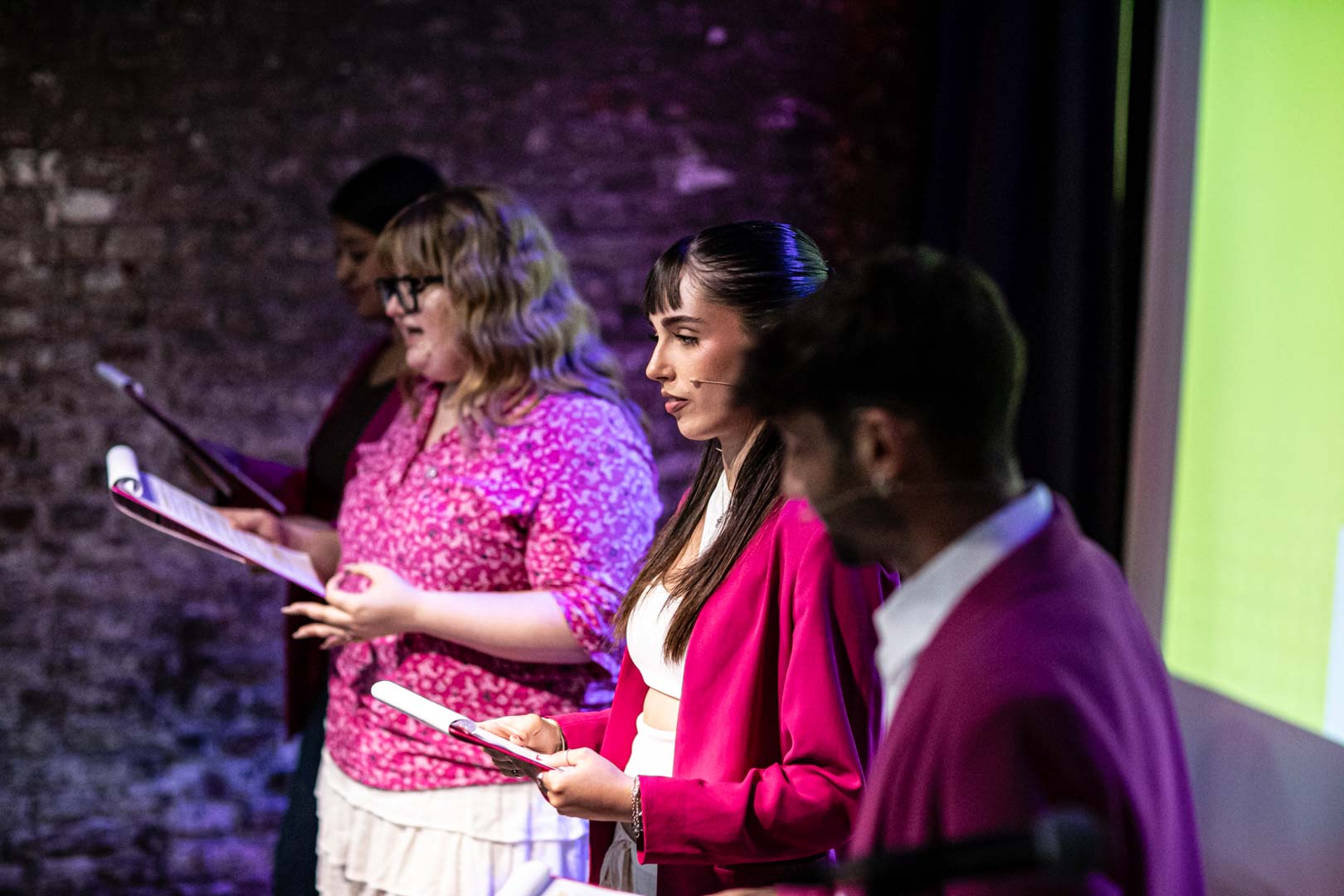
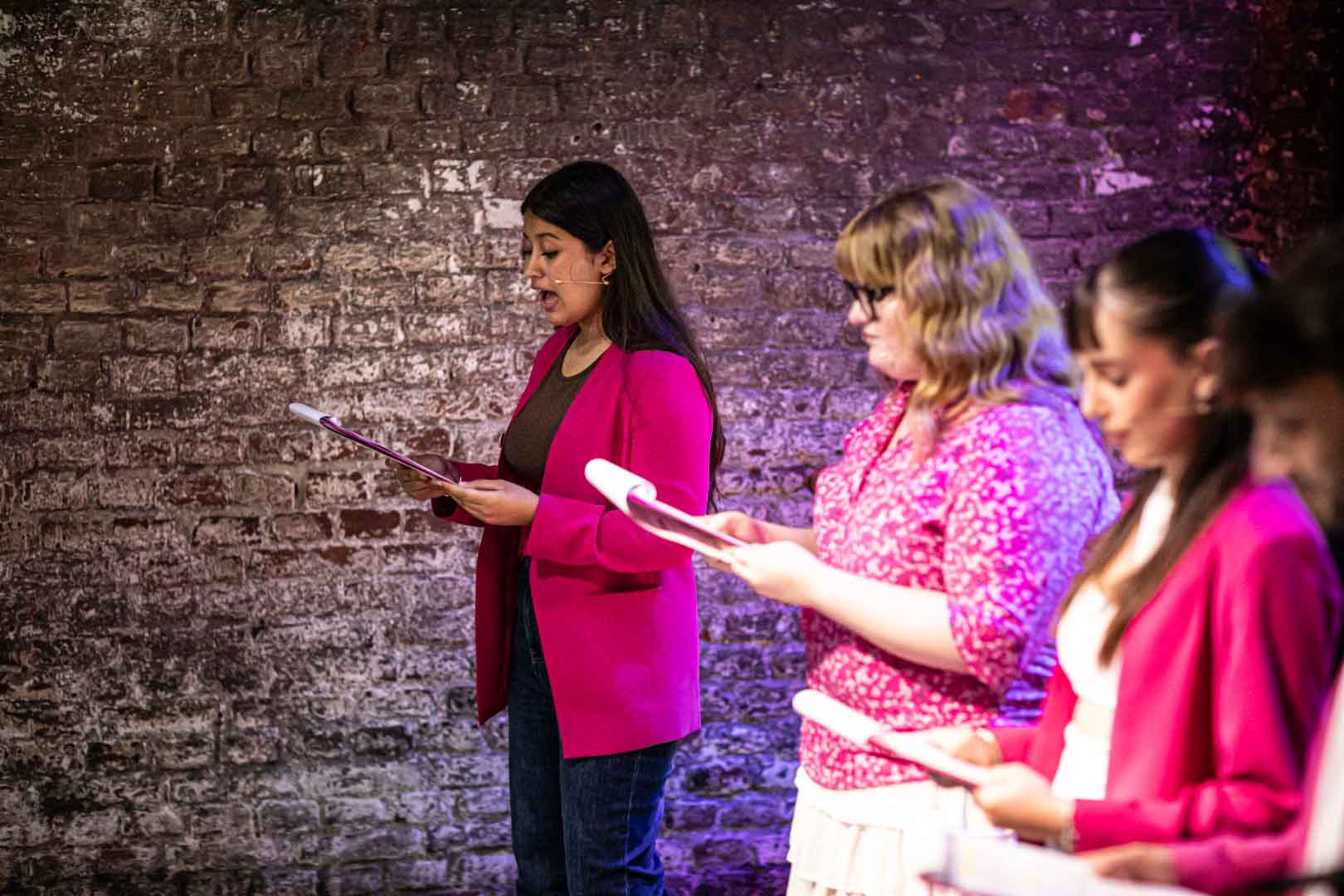
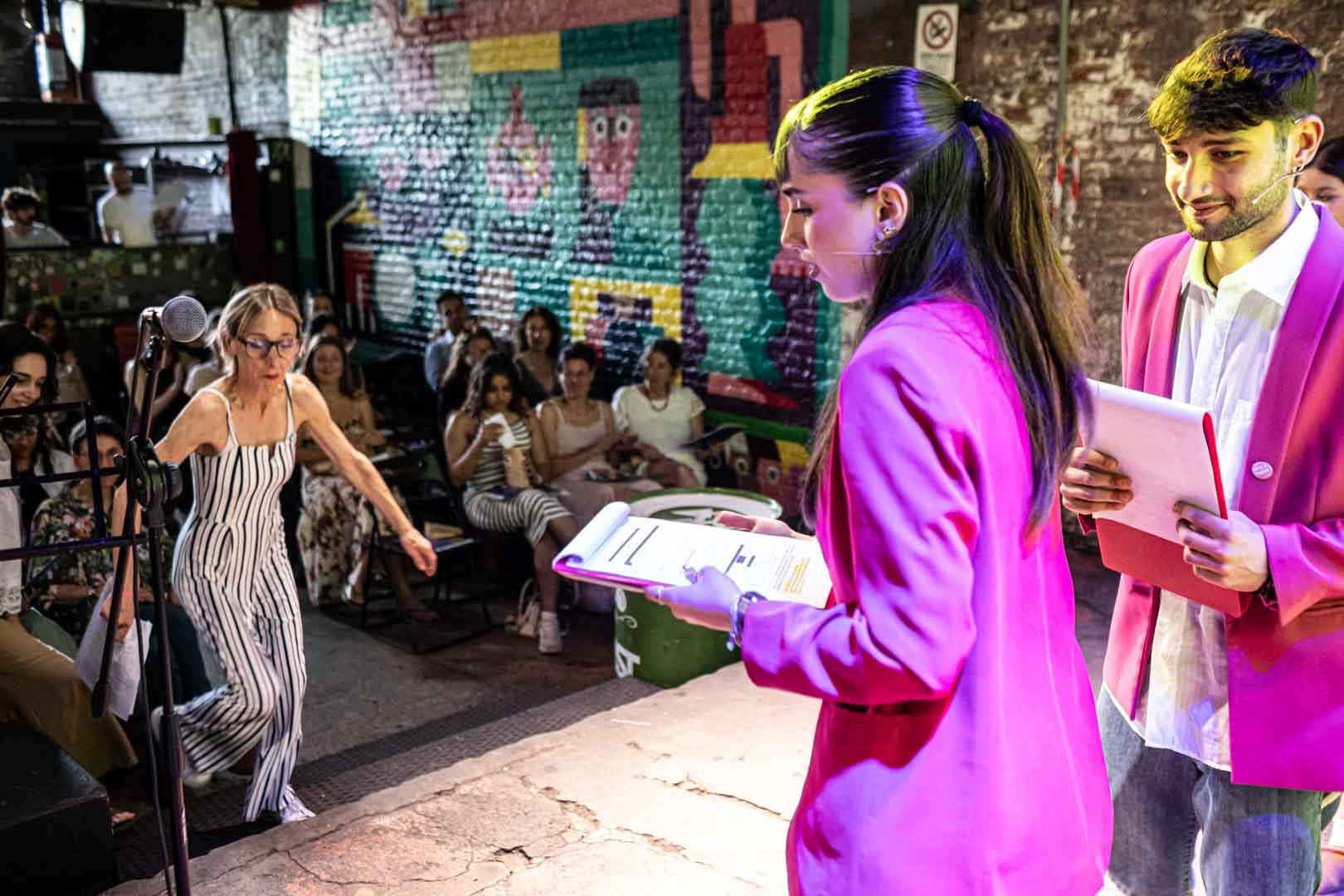
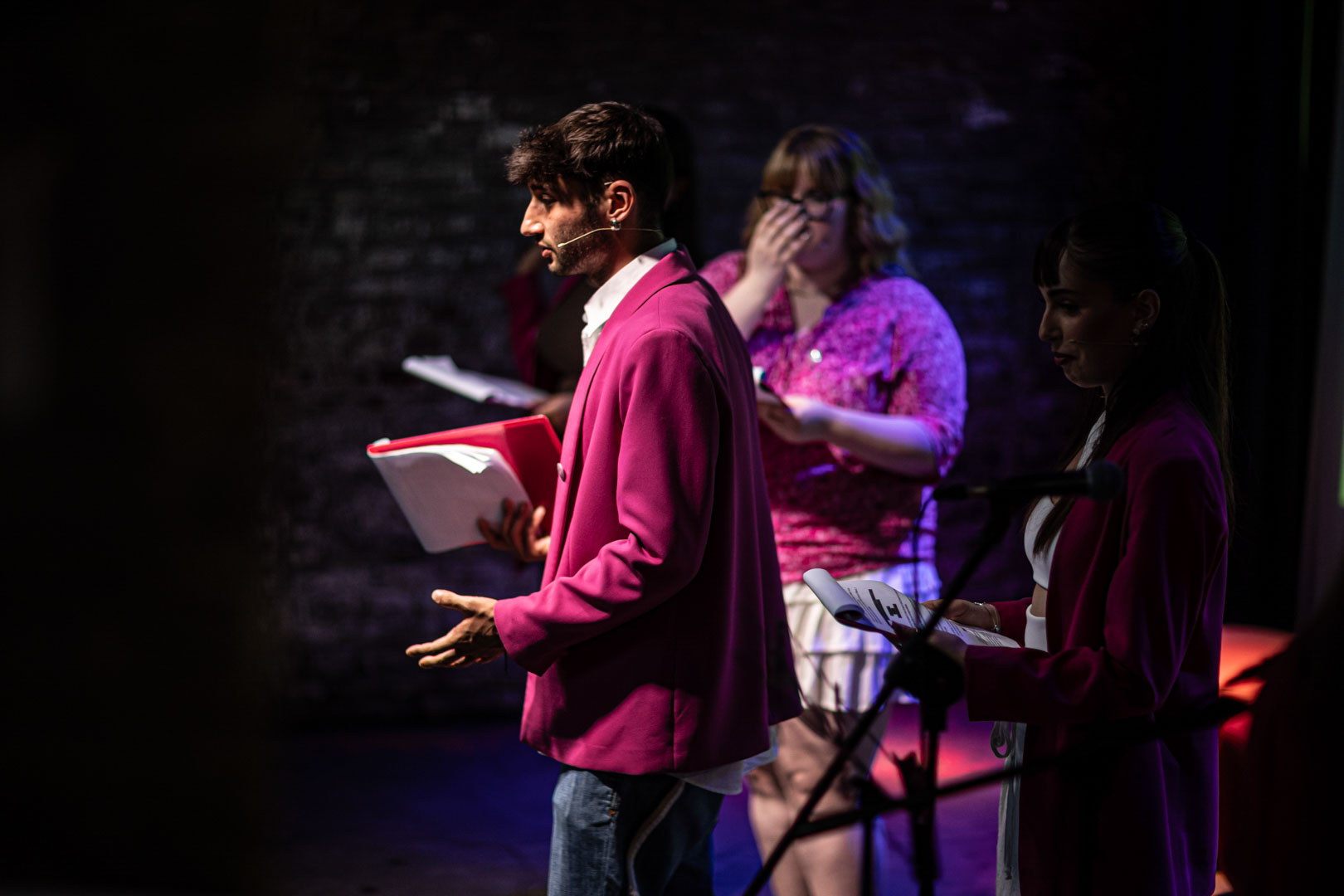
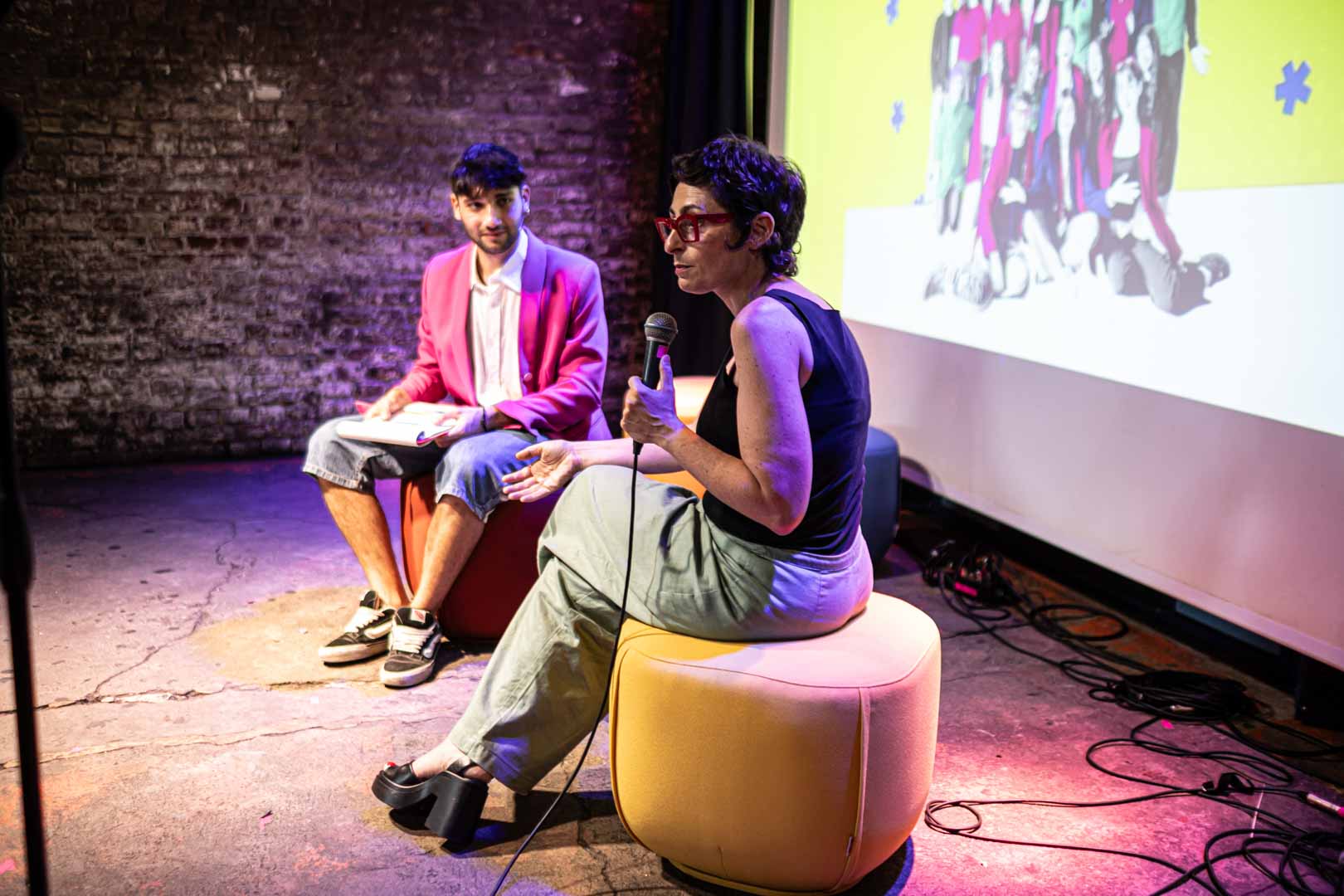
Rather than following the format of a conventional conference, the event was designed and delivered as a genuine Theatre Debate.
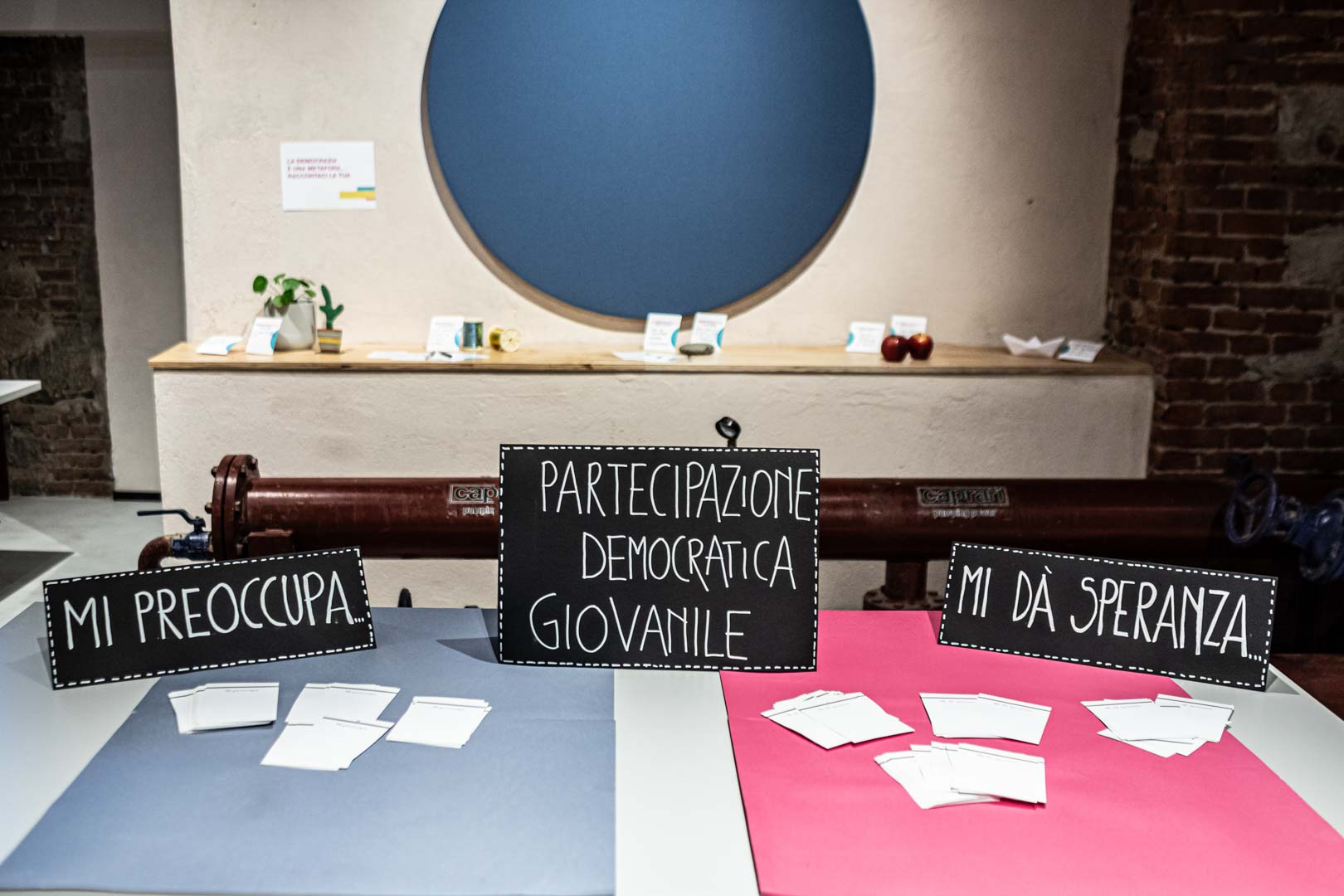
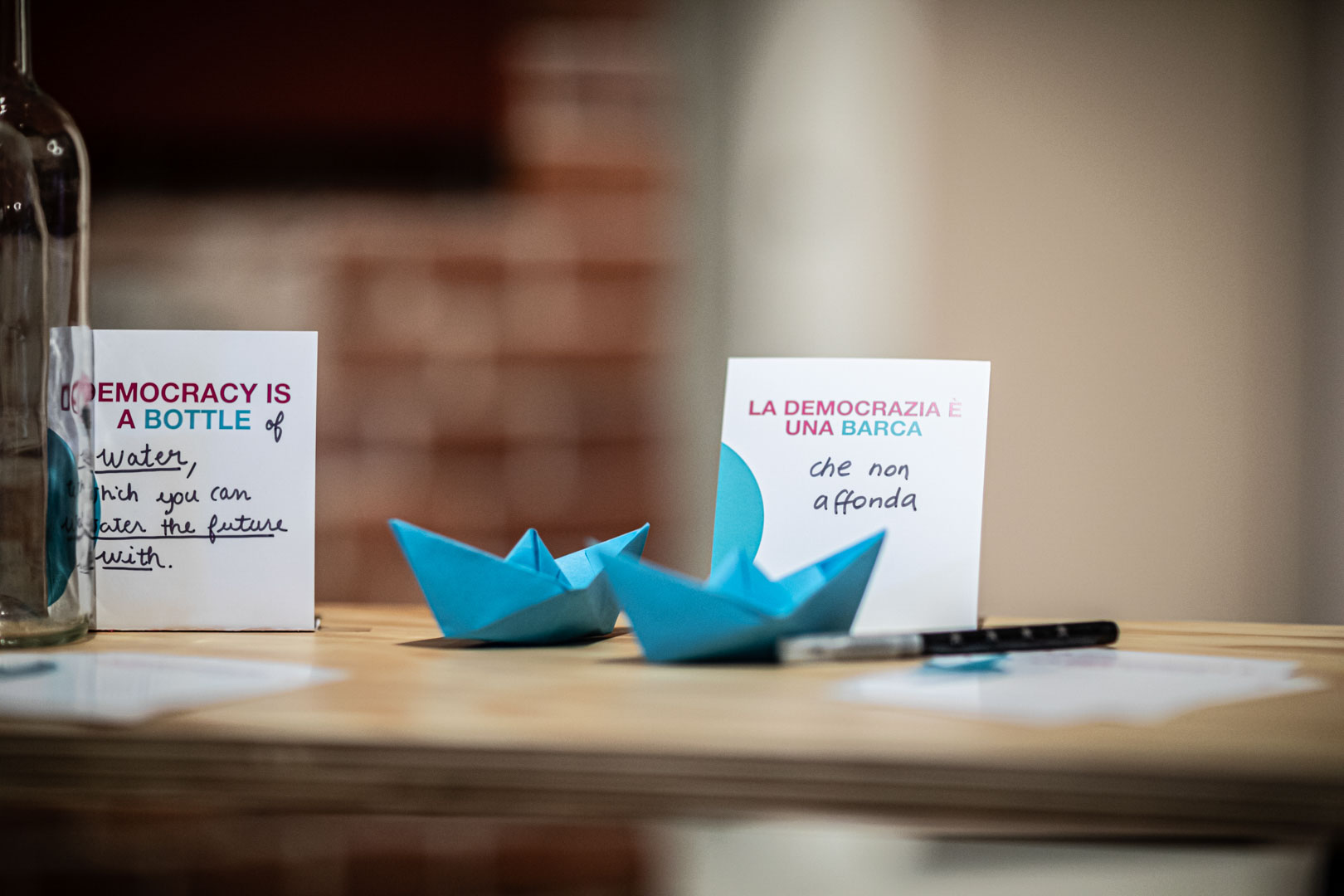
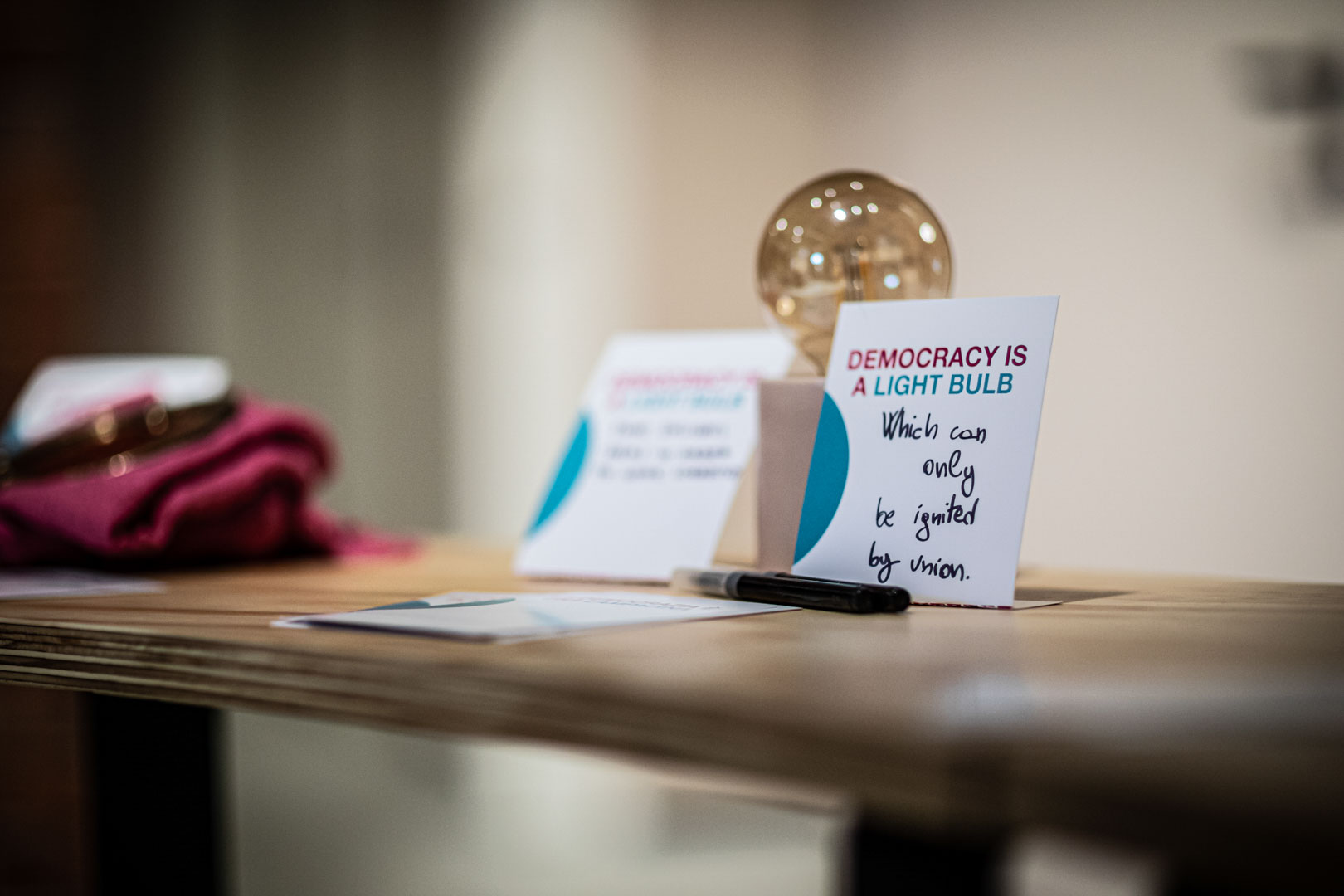
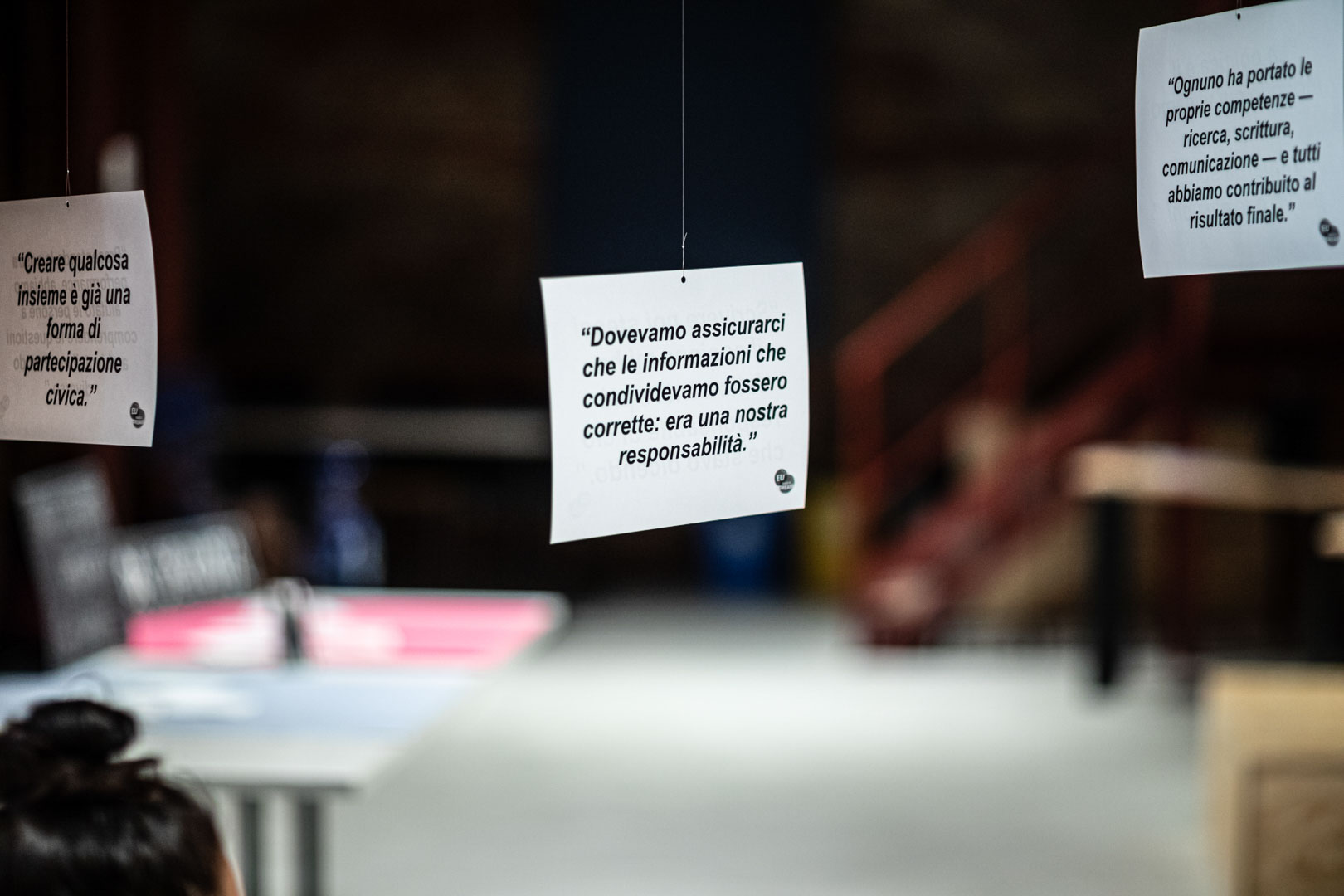
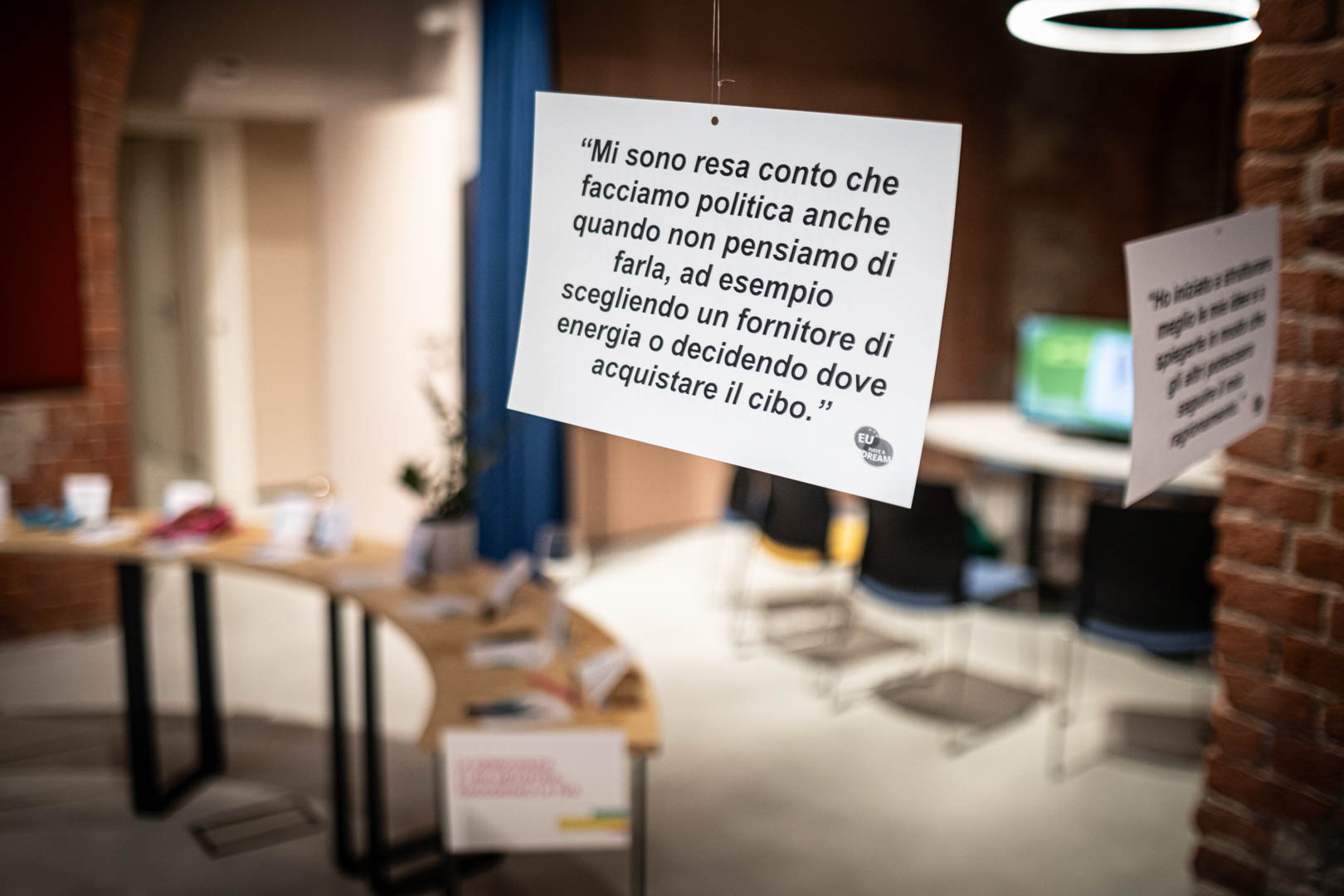
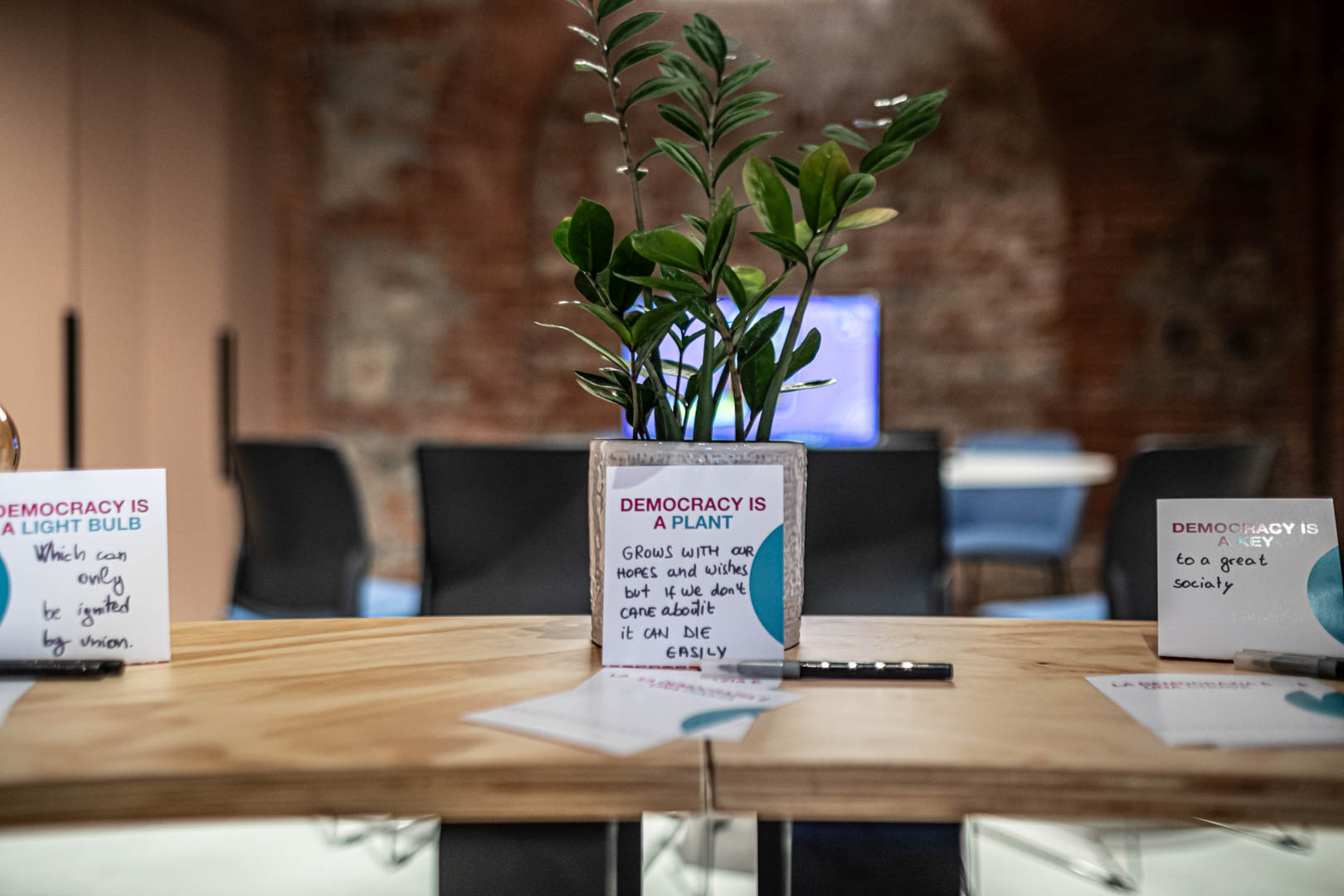
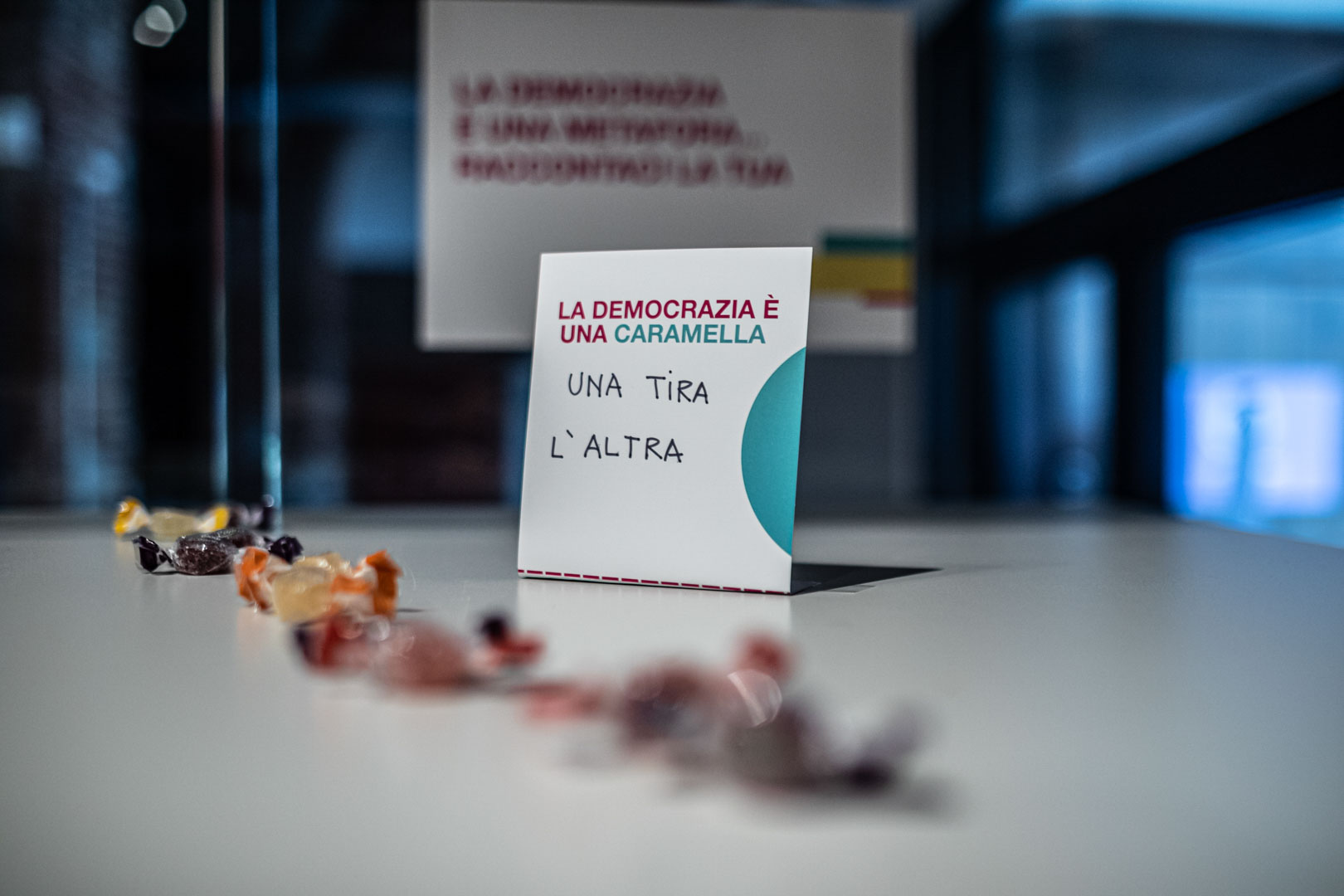
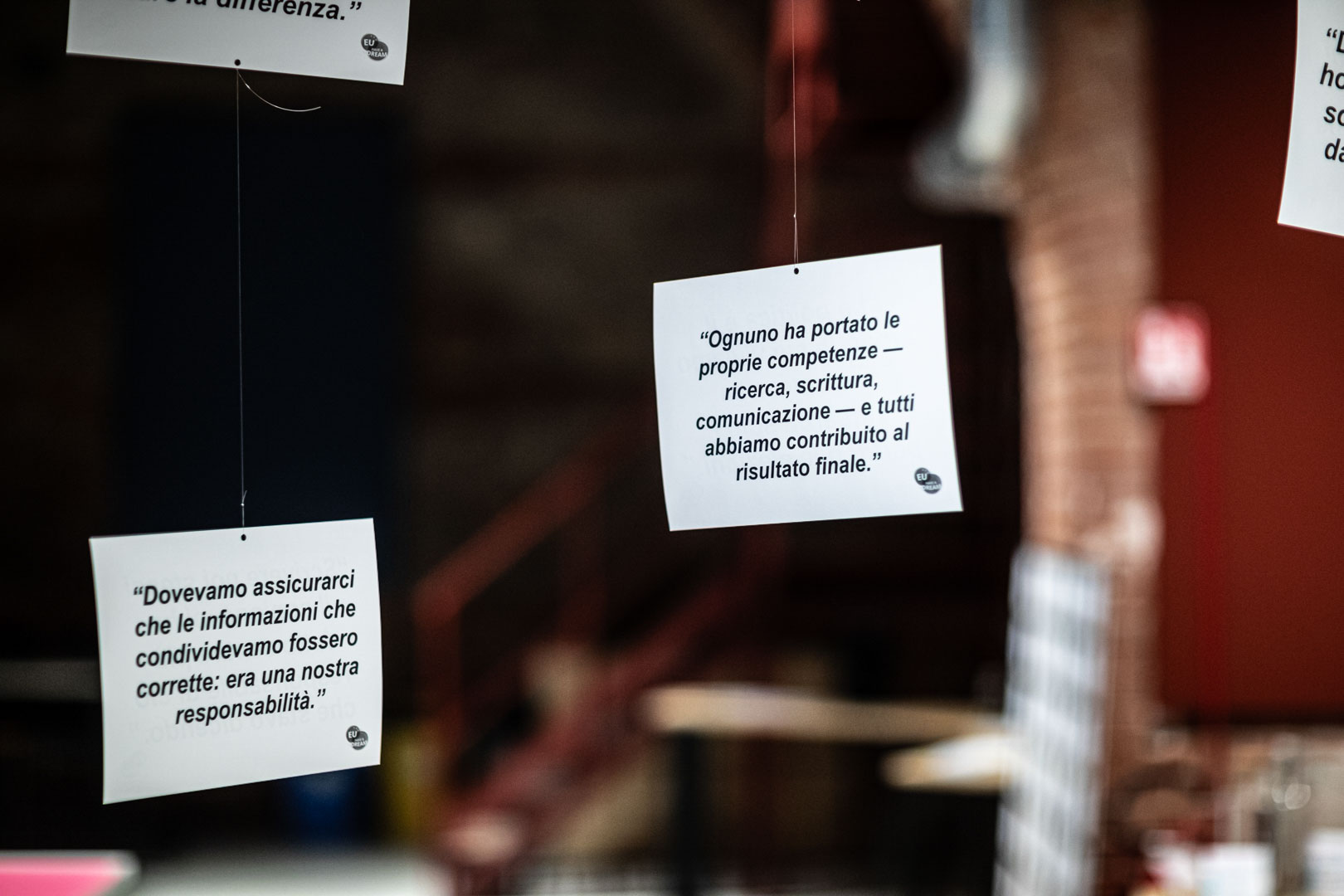
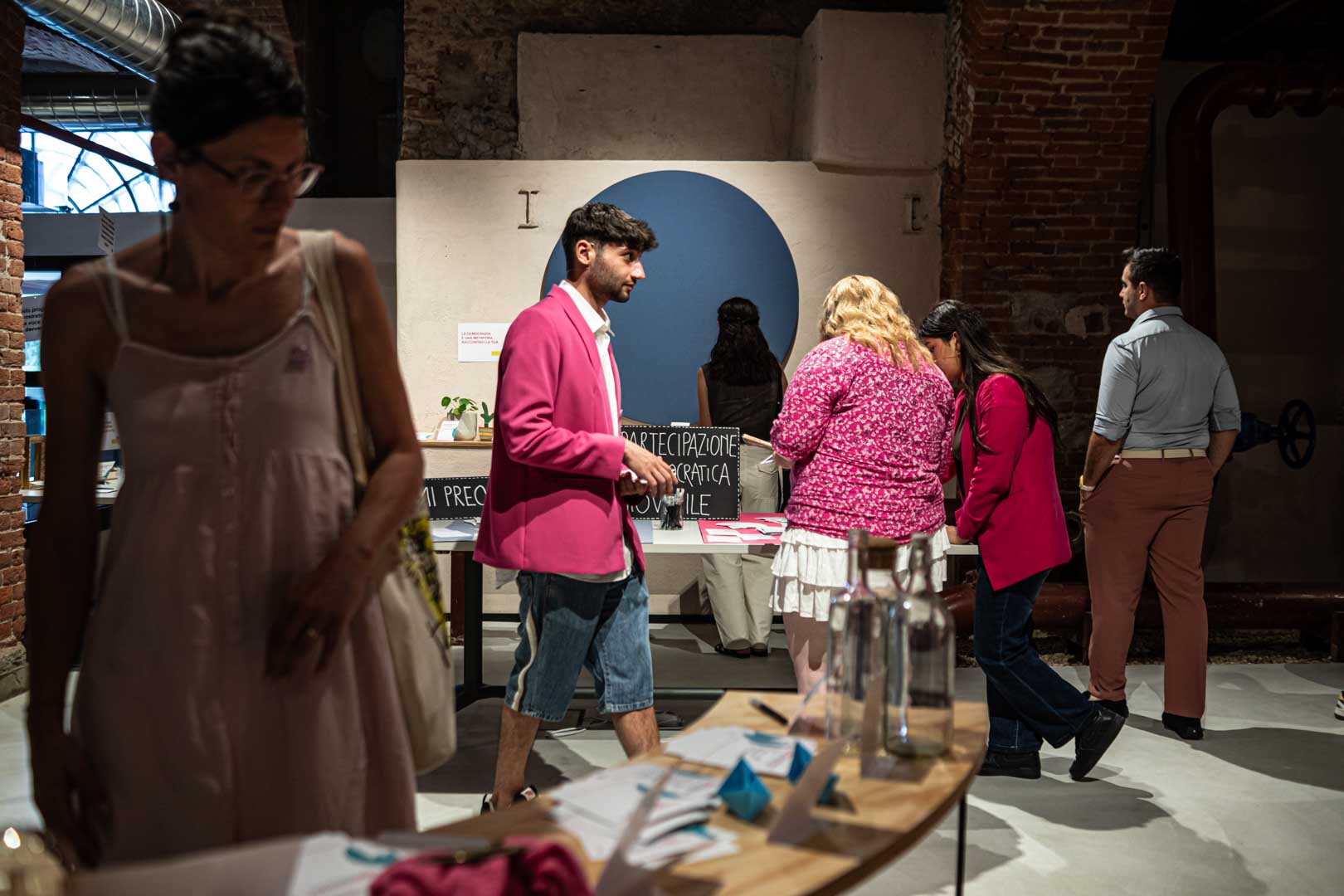
The project itself became the subject of the final performance, allowing the audience to explore its results, methods and future potential through theatre, public discussion, participatory installations and interactive activities.


Event at a glance
| Event | EU HAVE A DREAM Final Conference |
|---|---|
| Project activity | WP16 |
| Date | 22 June 2026 |
| Location | Turin, Italy |
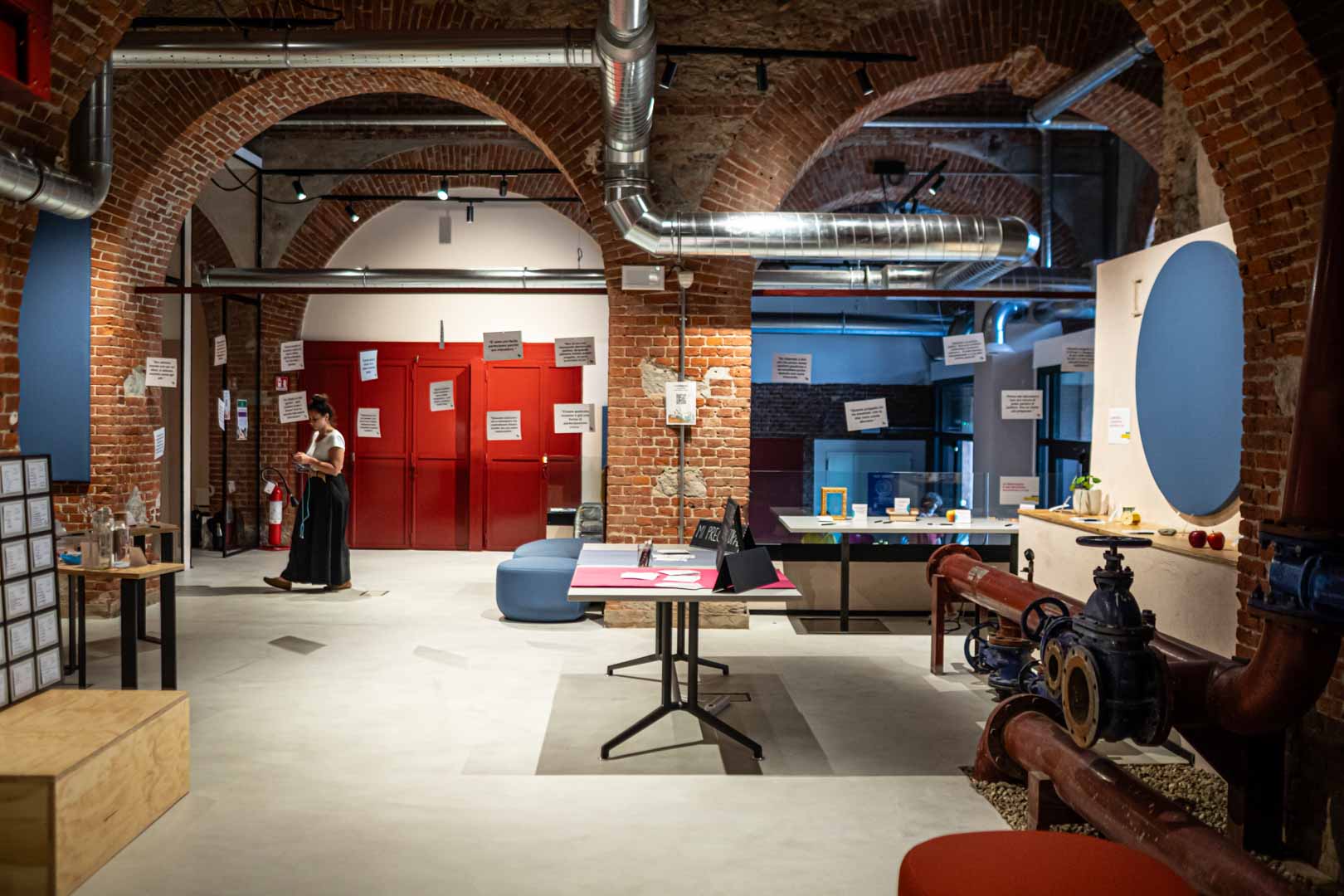
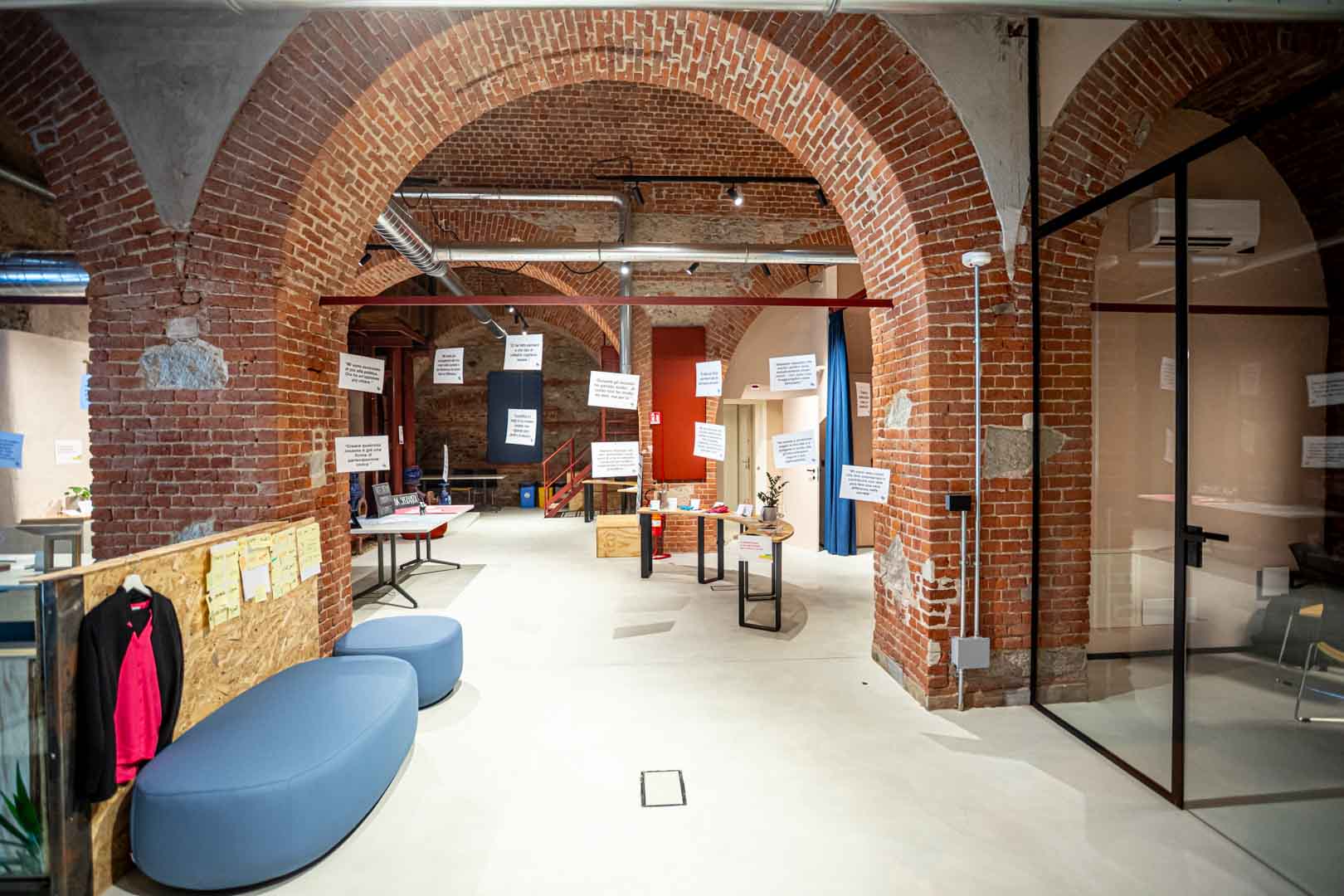
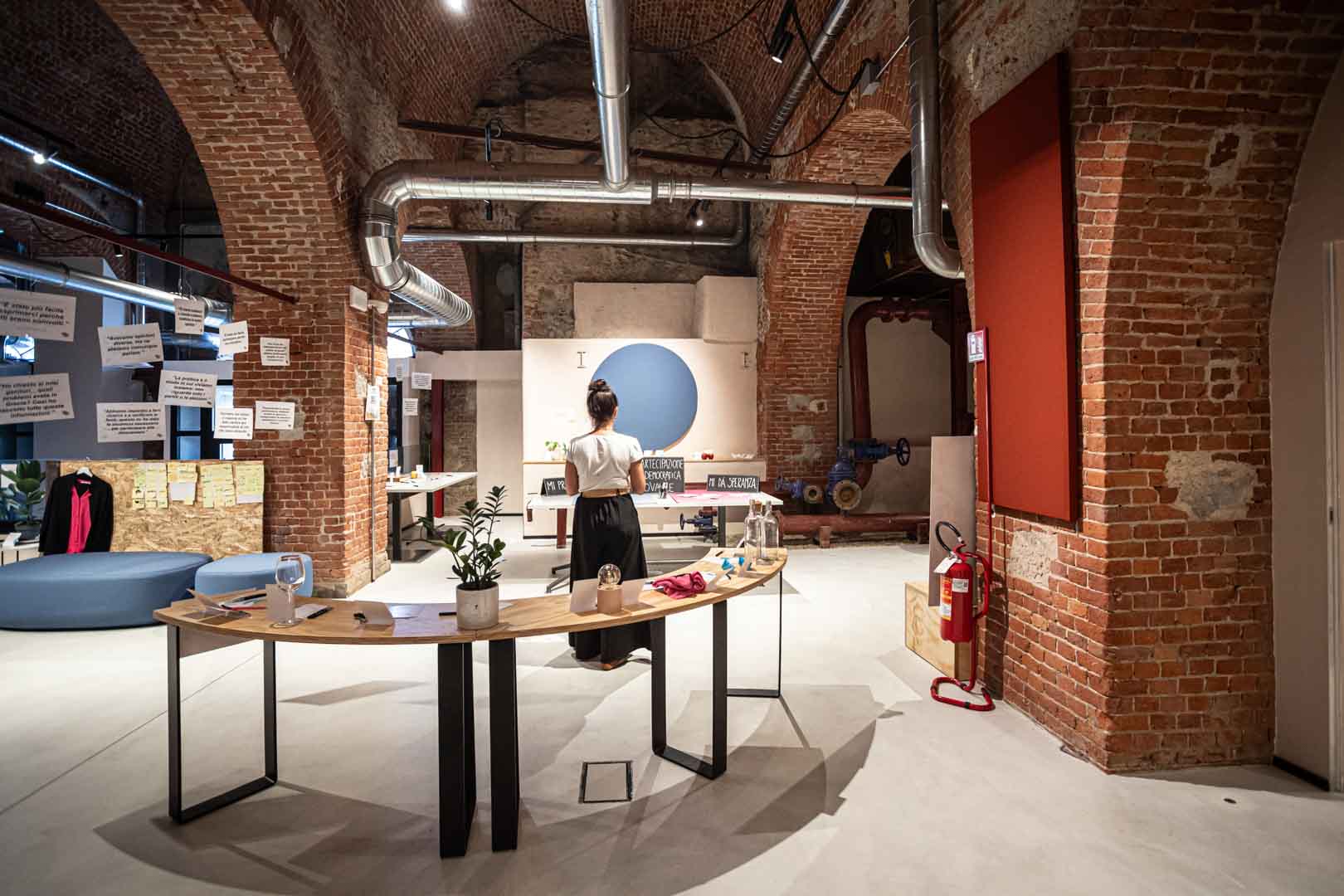
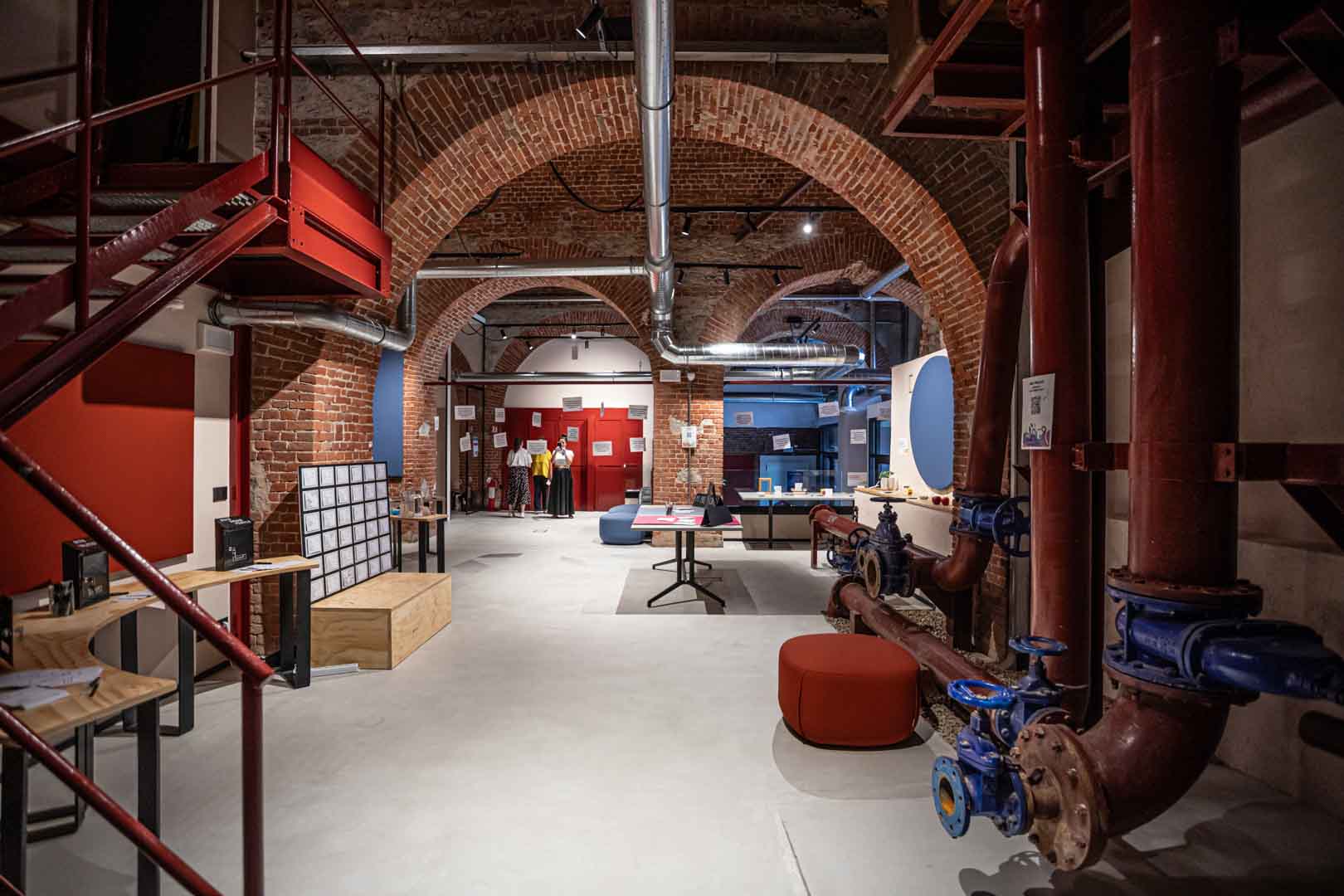
| Venue | DesTEENazione Torino |
| Format | In situ Final Conference and participatory Theatre Debate |
| Participants | 106 participants from 7 countries |
| Main focus | Presentation of project results, youth cultural participation, democratic engagement, audience participation and future use of the Theatre Debate methodology |
Participation
The Final Conference welcomed 106 participants from seven countries.
The participants included:
71 women, 33 men and 2 nonbinary participants.
Participants came from:
• Italy
• Germany
• Cyprus
• France
• Belgium
• Spain
• Romania
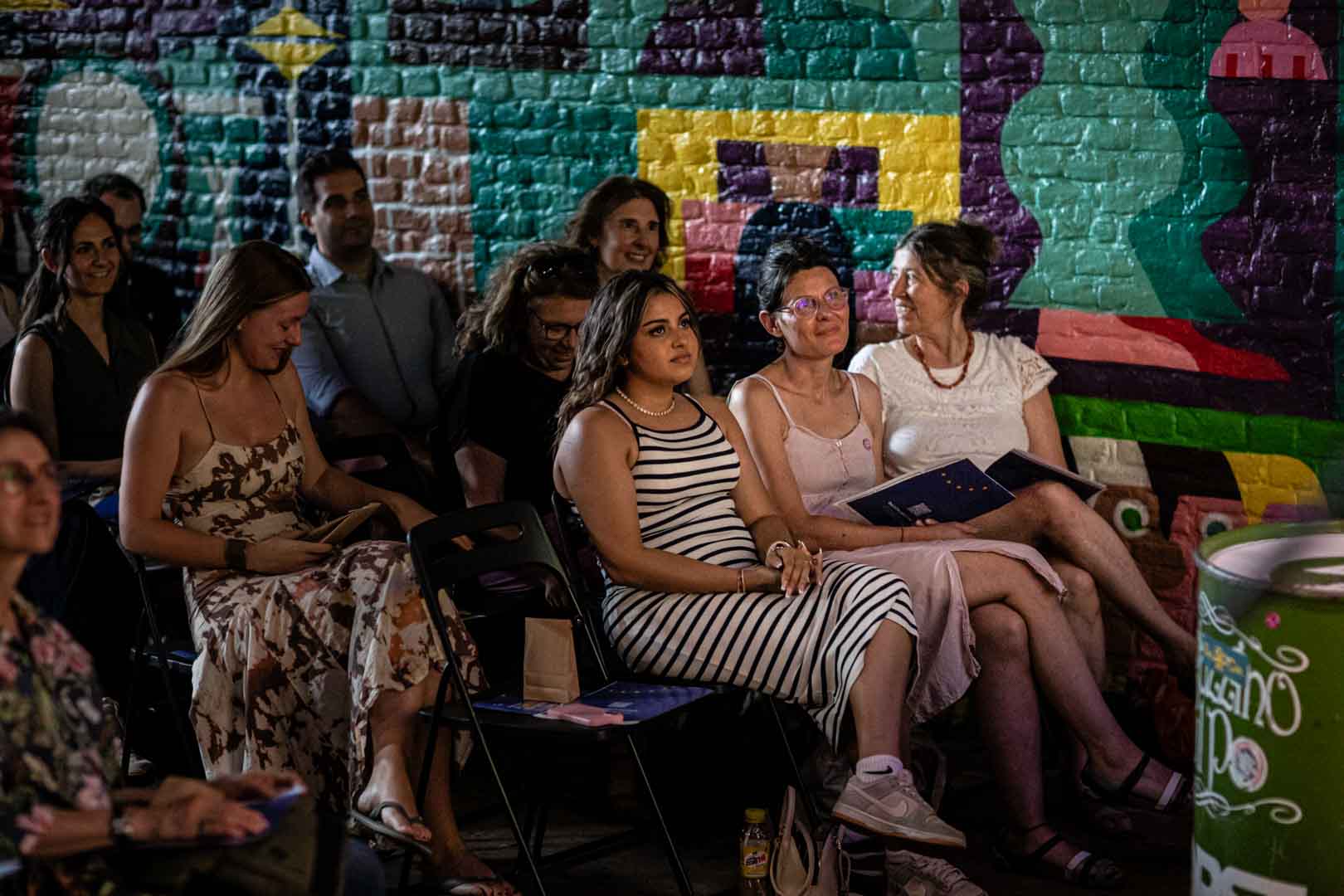
The audience included young people, representatives of the City of Turin, policy makers, project partners, social and cultural practitioners and local stakeholders.
A final dissemination event with a difference
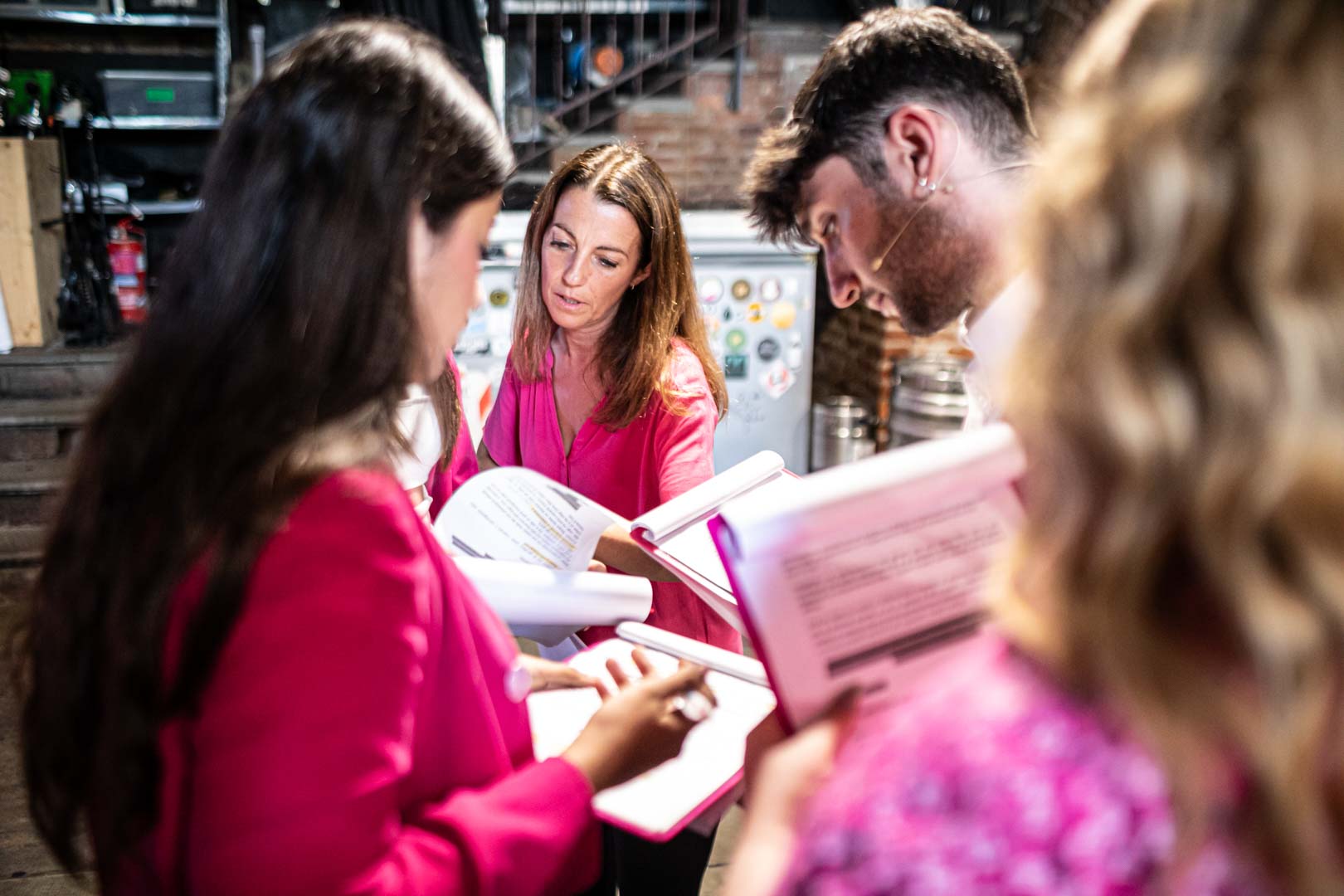
The Final Conference was the culmination of months of preparation involving:
• the Turin youth group
• the international artistic team
• the Italian project team
• project coordination meetings
• preparation of the project’s final outputs
• design of the participatory and theatrical format
The event presented the main achievements of the project, but did so through the same methodology that had been developed and tested throughout EU HAVE A DREAM.
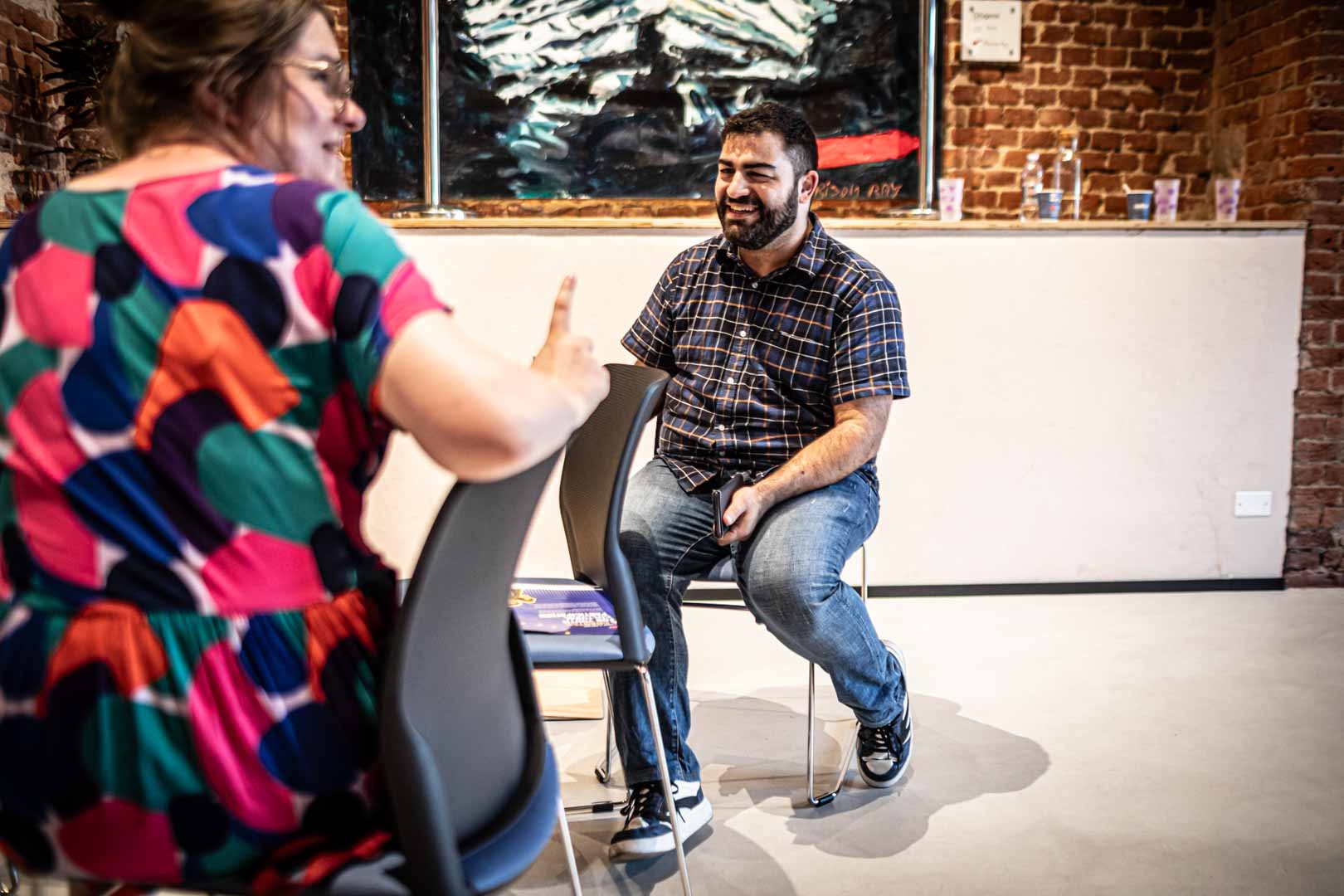
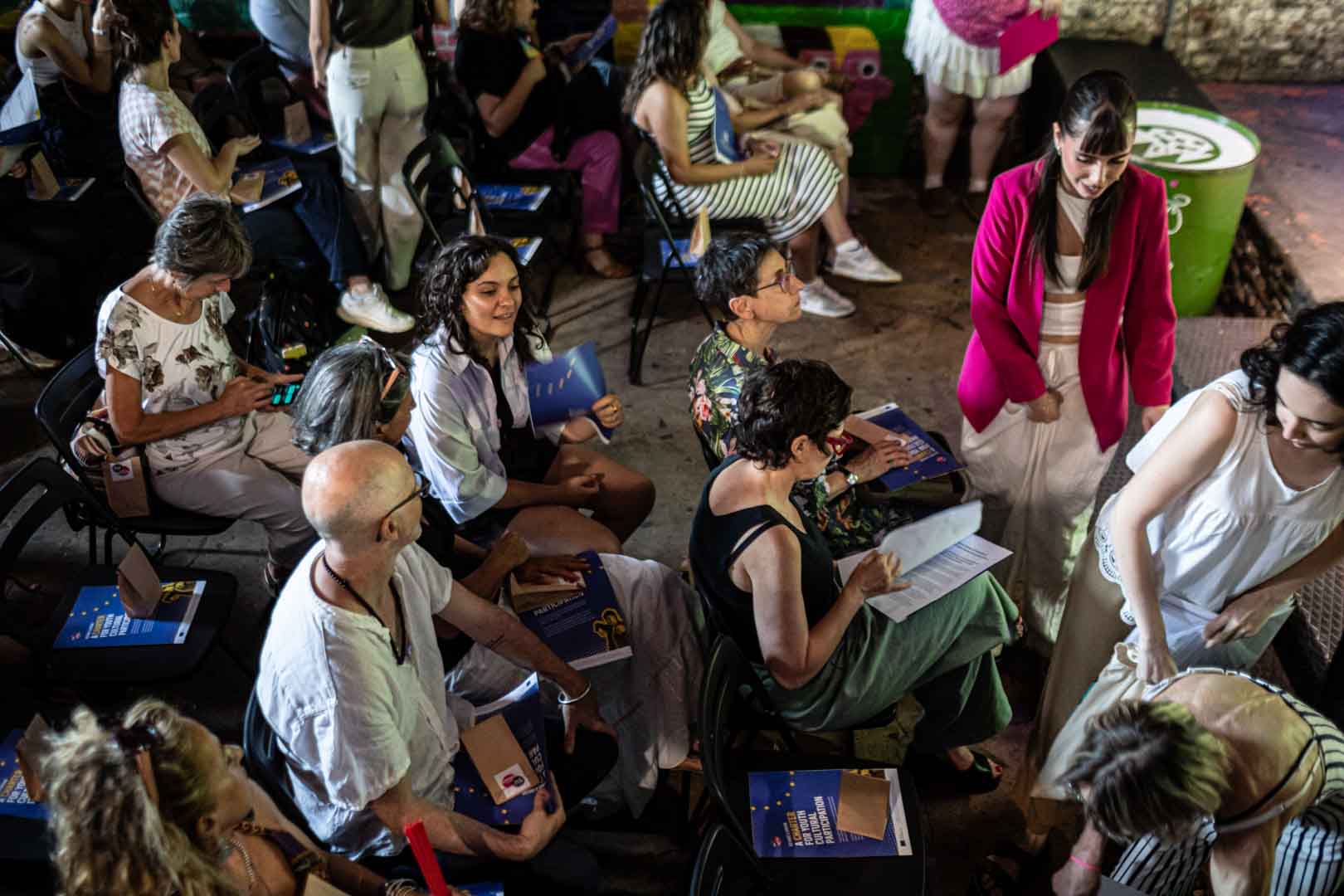
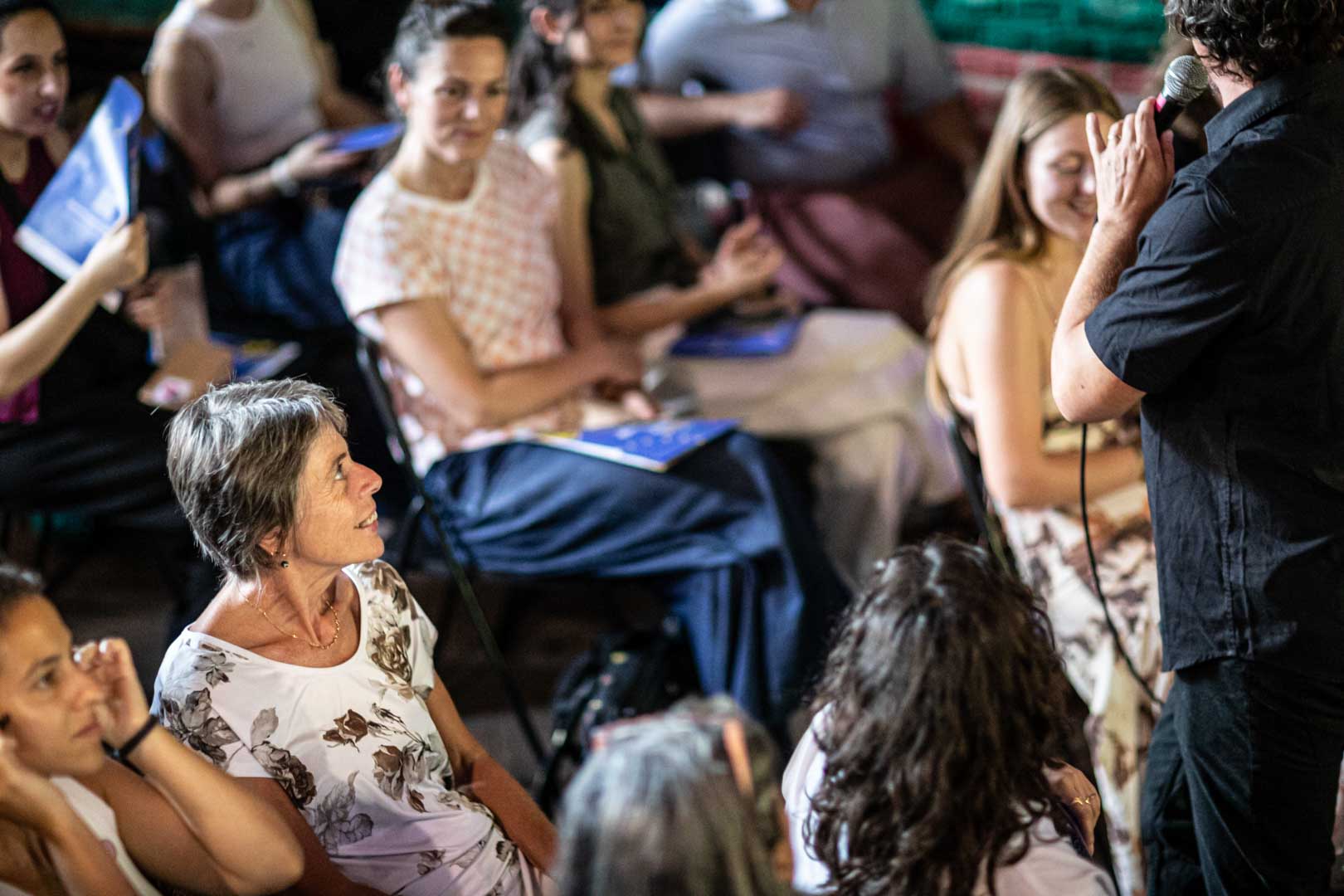
Instead of placing the audience in a passive role, the Final Conference invited participants to become active contributors to the event.
Main project results presented
Charter for Youth Cultural Participation
The event presented the D15.4 Charter of Key Principles, A Charter for Youth Cultural Participation.
The Charter was designed as a concise and accessible advocacy tool to stimulate discussion around youth cultural participation.
It was accompanied by the document:
EU HAVE A DREAM, Summary of Key Challenges and Recommendations
This complementary document explores the Charter’s themes in greater depth and identifies the principal audiences and stakeholders who can use its recommendations.
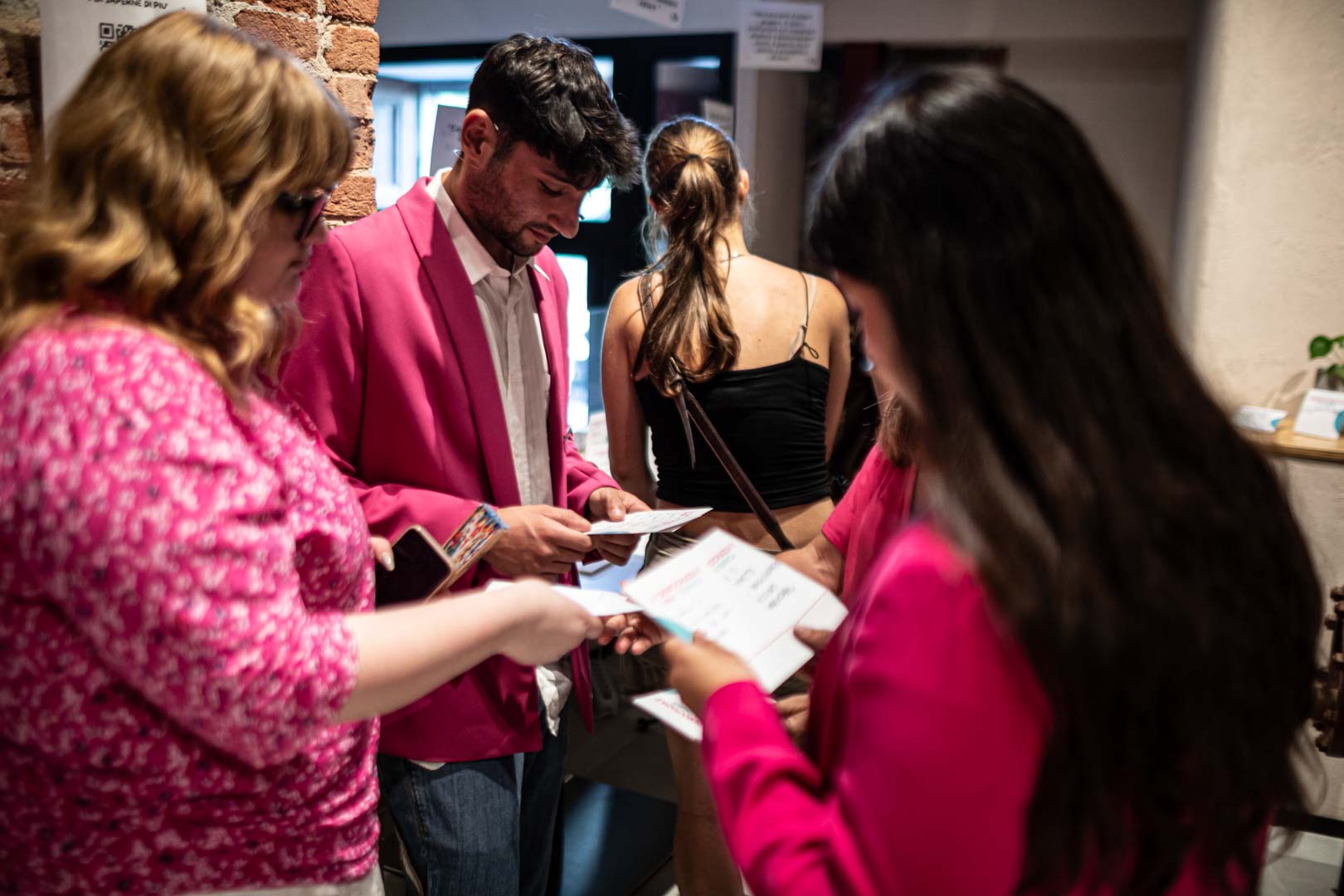
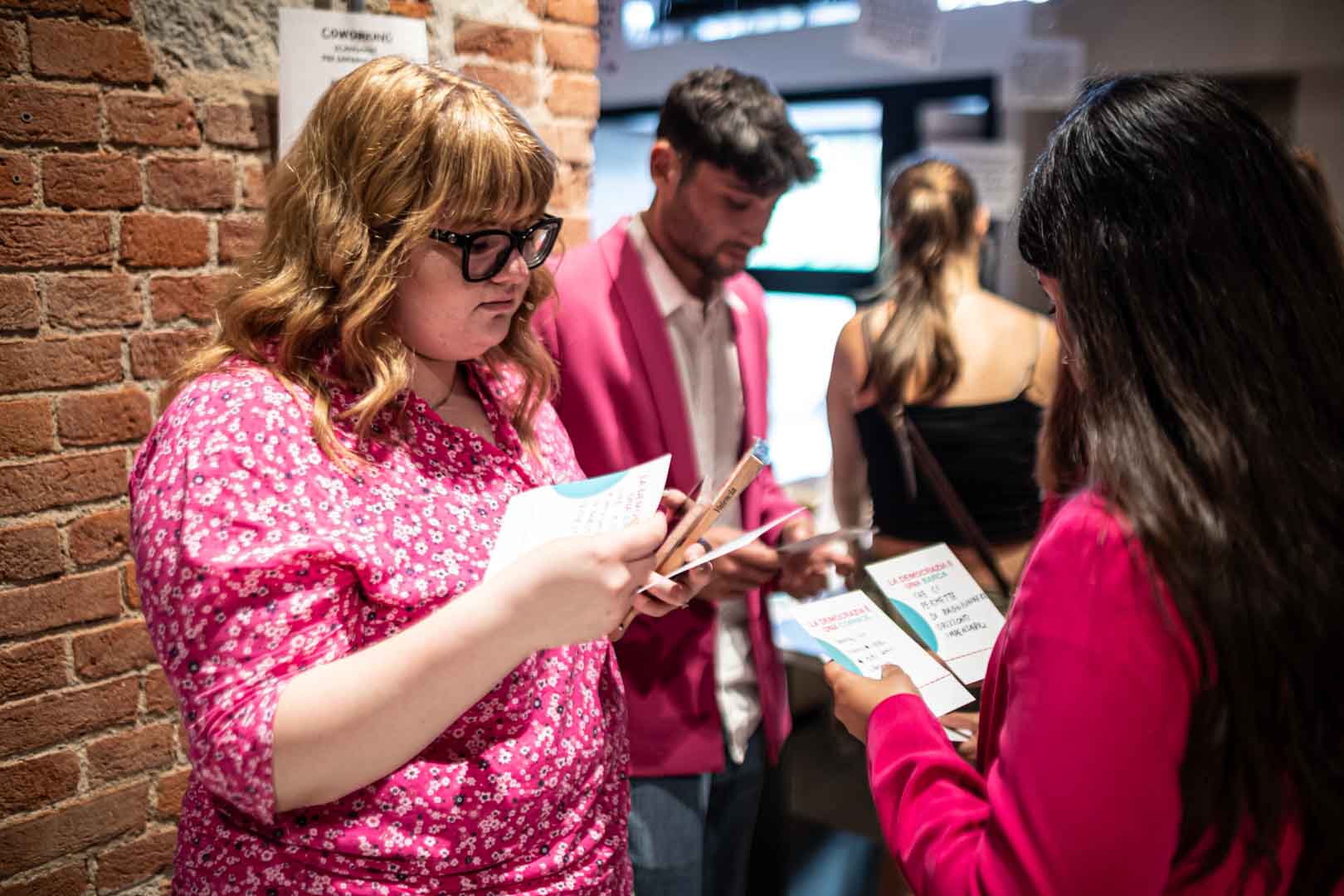
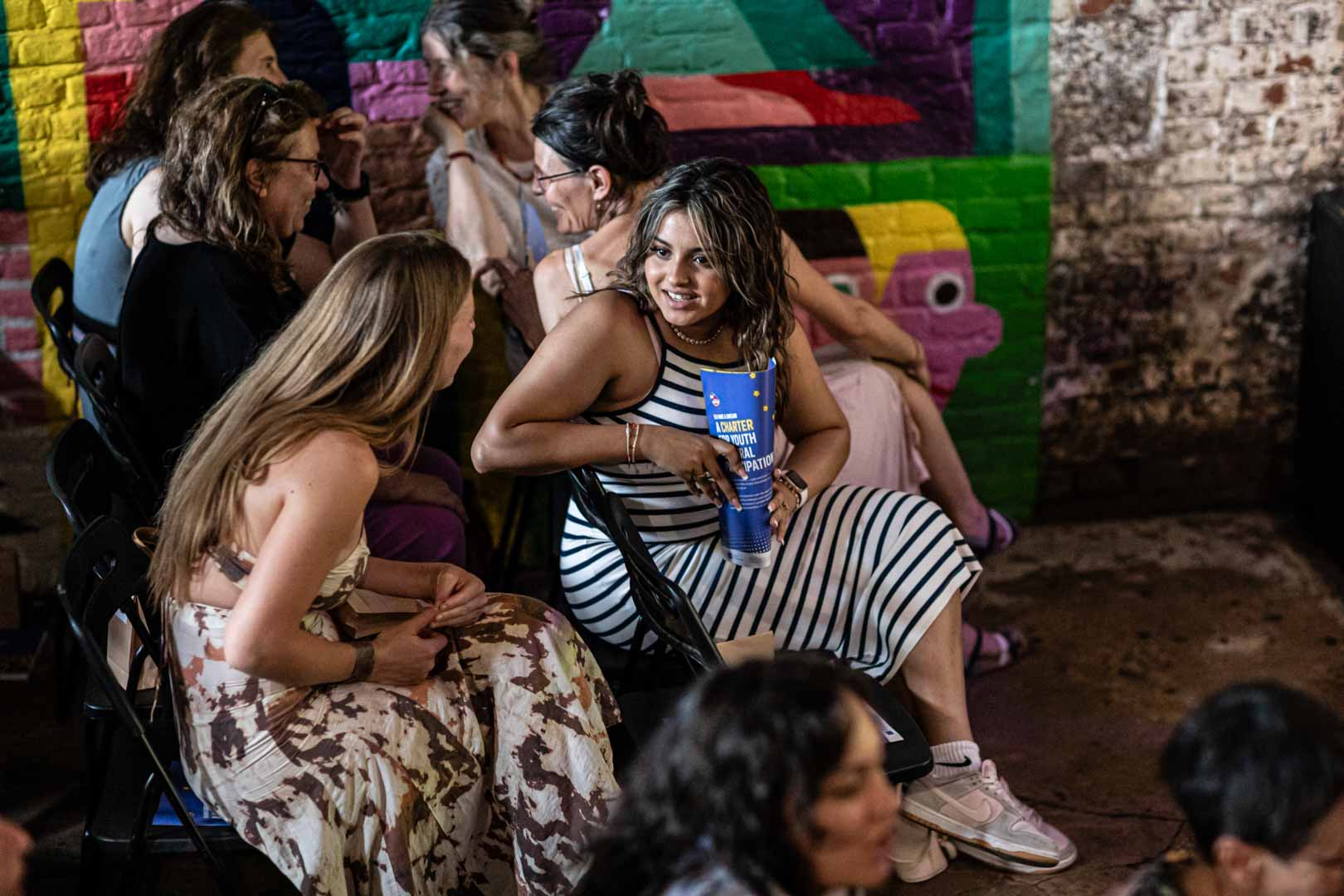
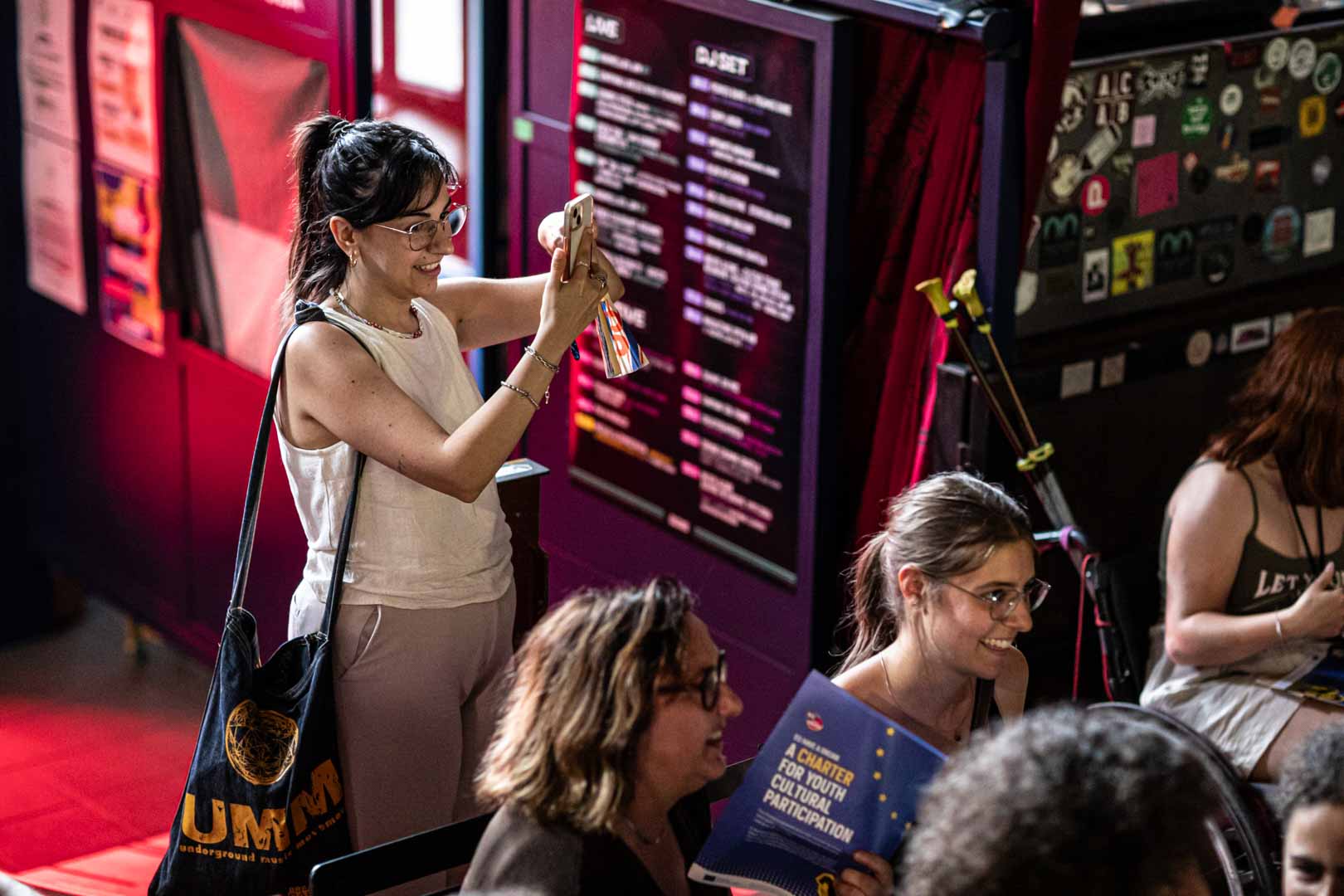
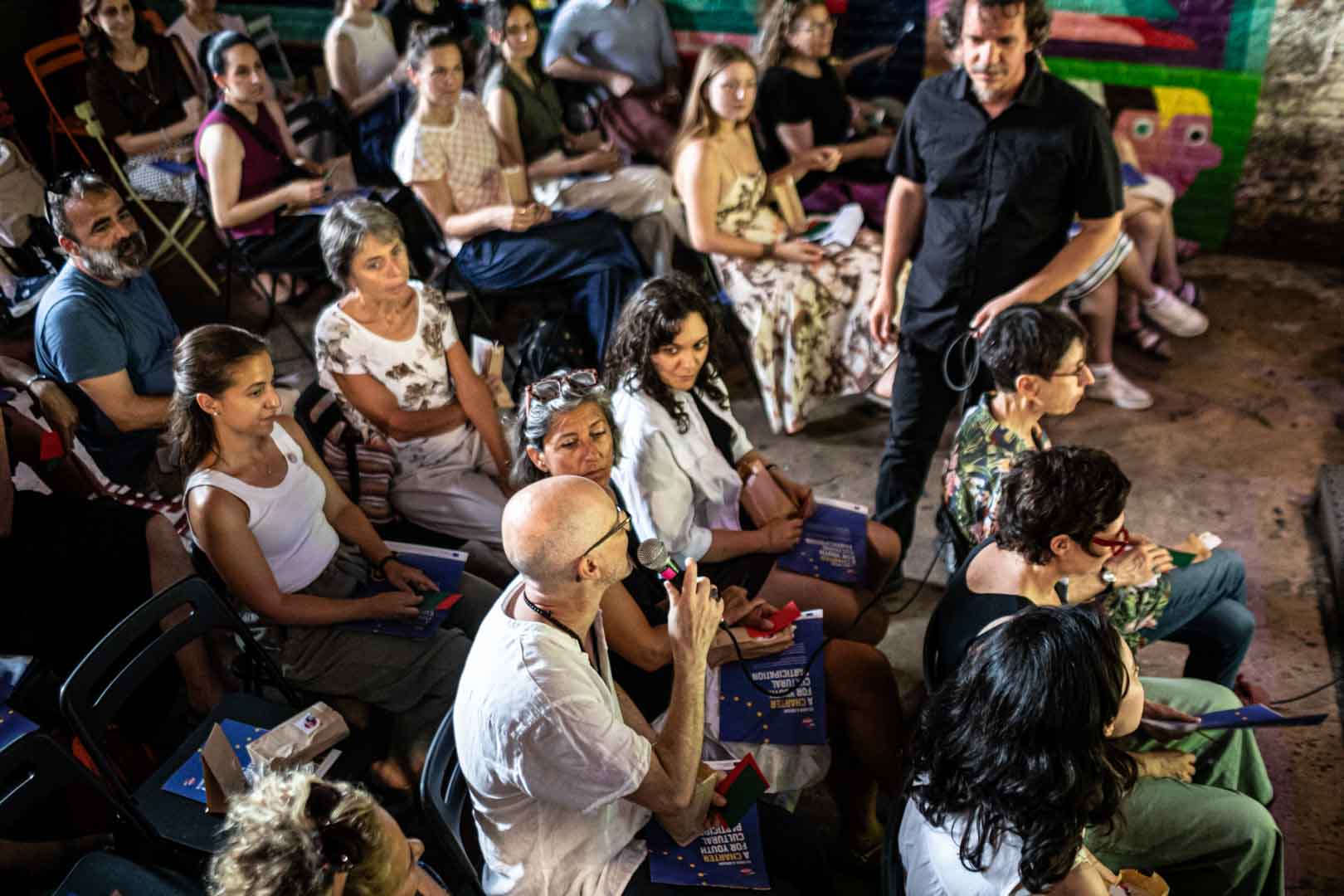
Every participant received a printed copy of the Charter. Digital versions were also made available through QR codes and the project website.
Theatre Debate Manual and Guidelines
The conference also presented the D16.3 Theatre Debate Manual and Guidelines:
EU HAVE A DREAM, Running for Debate, Guidelines for a Theatre Debate
The guidelines explain how the Theatre Debate format can be organised, adapted and used as a participatory tool for youth engagement and democratic dialogue.
The publication was made available digitally through QR codes and the project website.
The five points of the Charter
The performance was structured around the five principles of the Charter for Youth Cultural Participation.
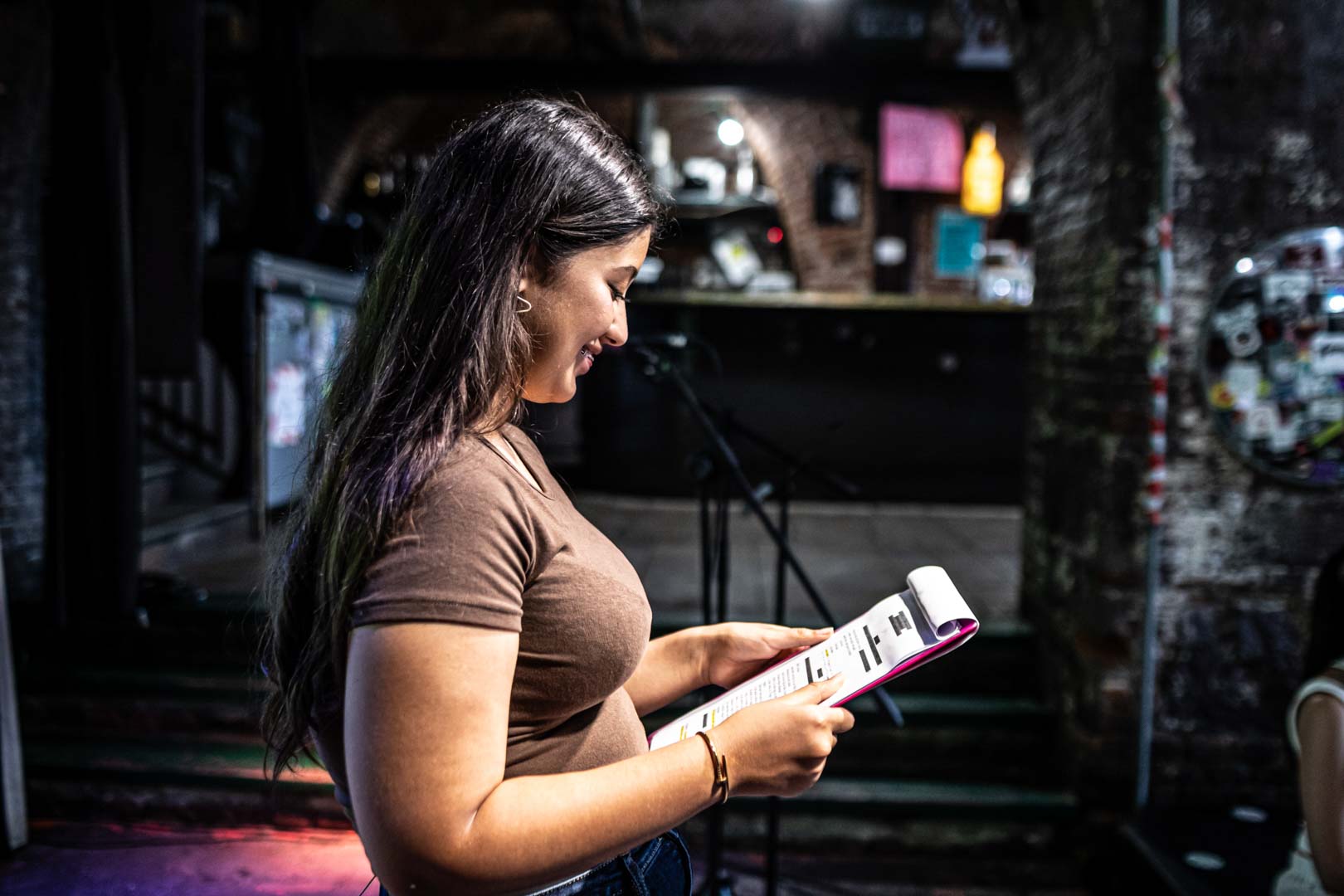
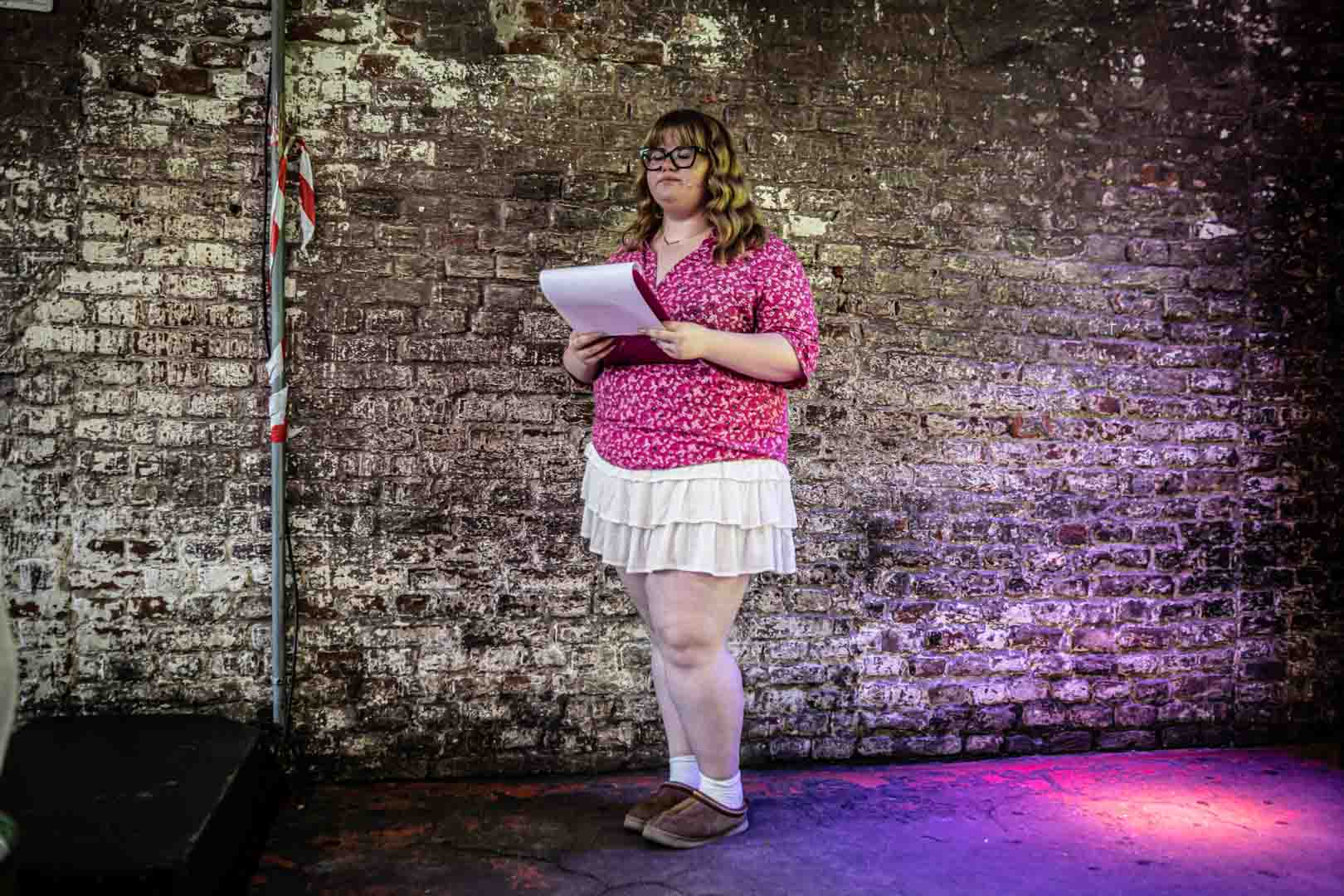
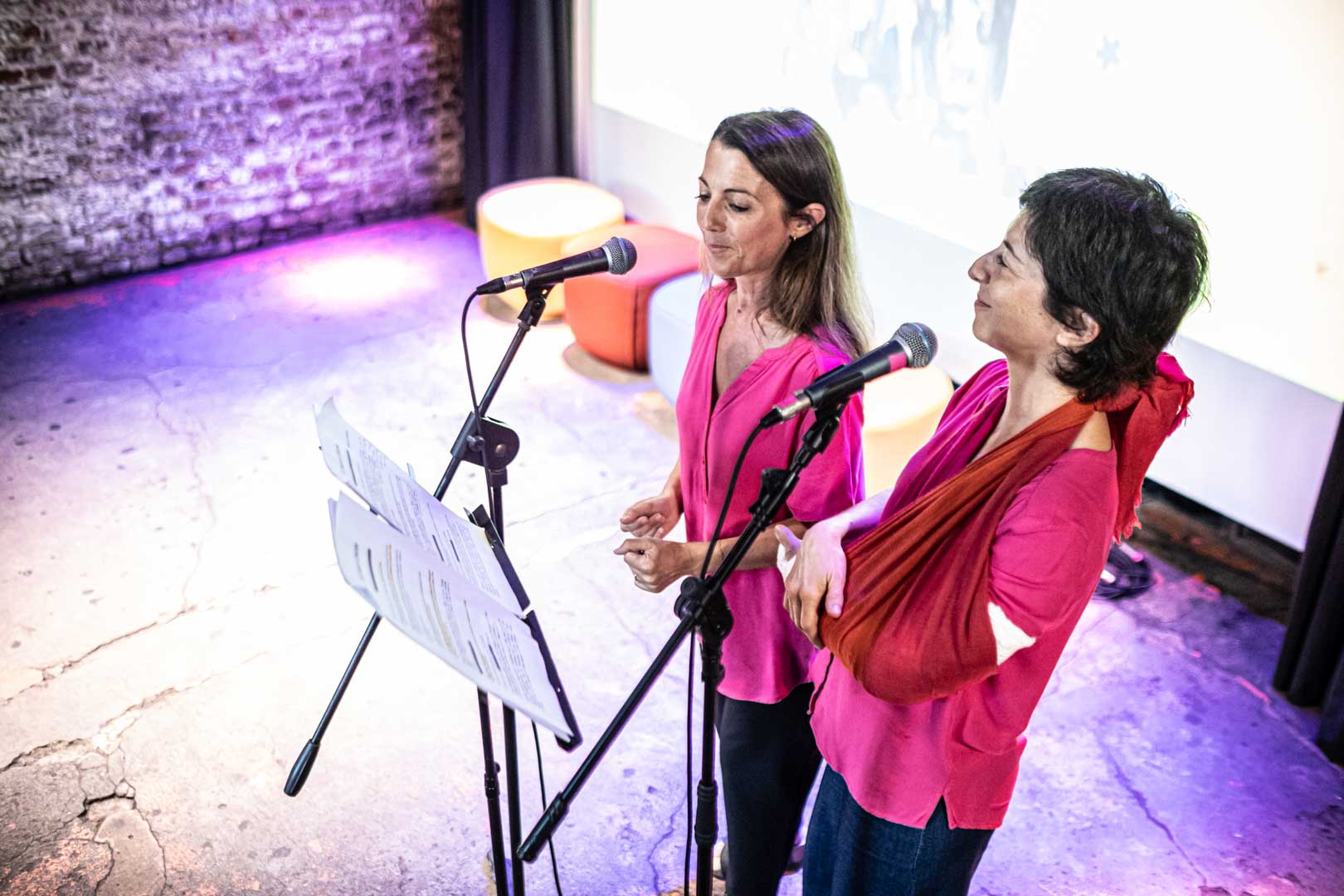
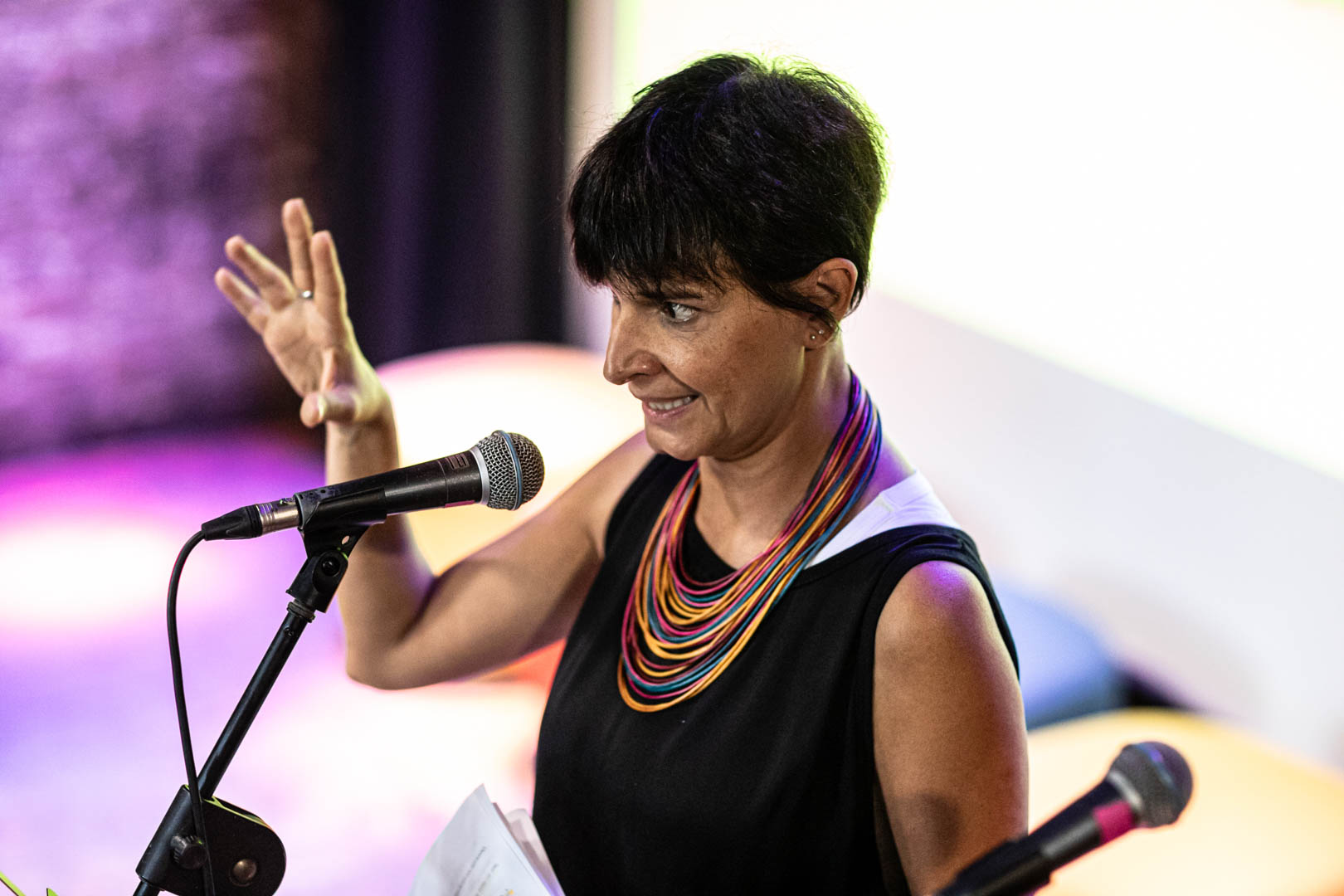
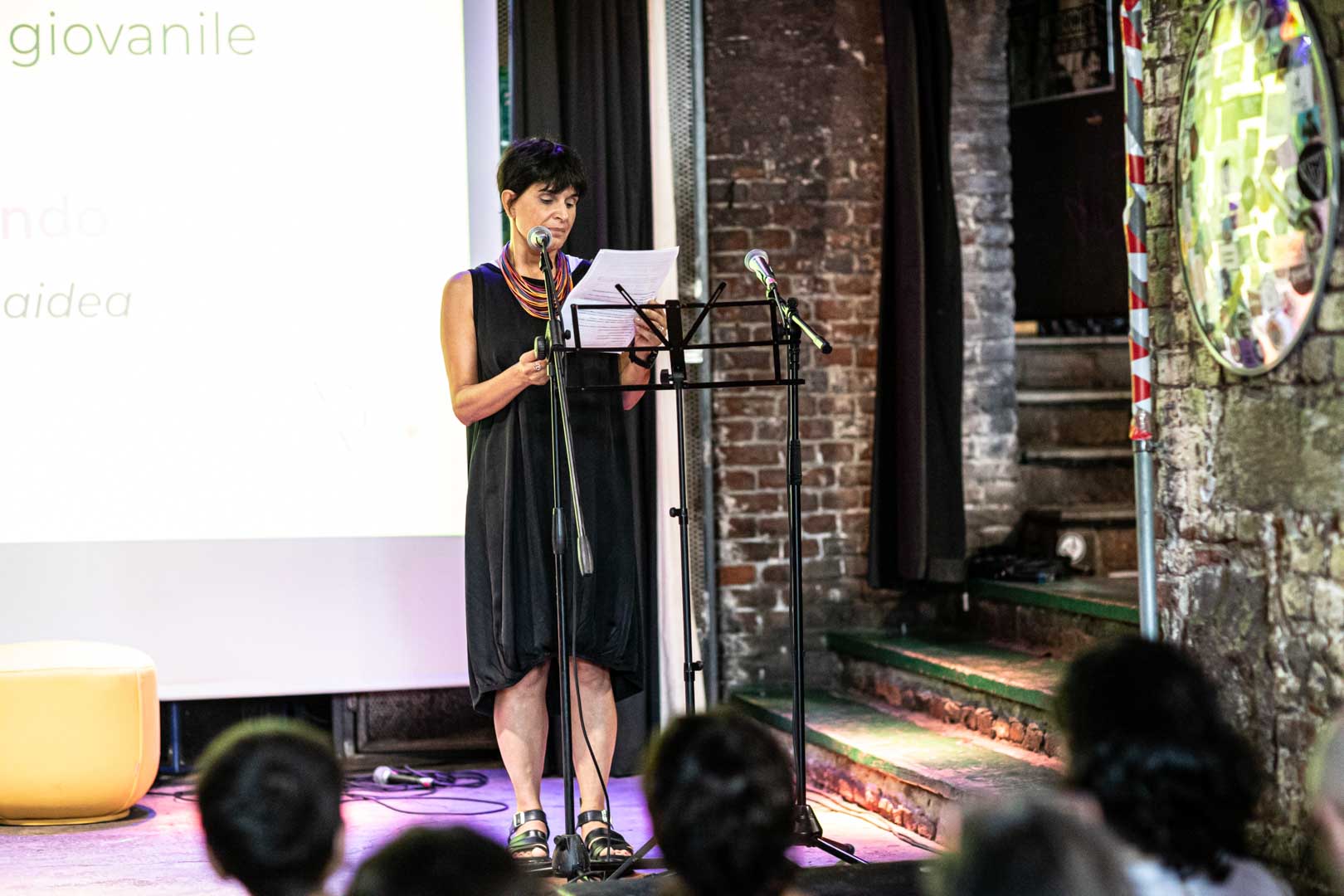
Each point was introduced by a speaker and followed by an interactive activity with the audience.
Overcoming stigmatisation
The first section focused on stereotypes about Generation Z.
Cristina Armando from Cooperativa Stranaidea introduced the topic.
A video presented examples of how Generation Z is often described in television and public discourse as:
• fragile
• unmotivated
• lazy
• overly dependent on social media
An audio recording created by the Italian youth group included phrases frequently heard by young people from adults.
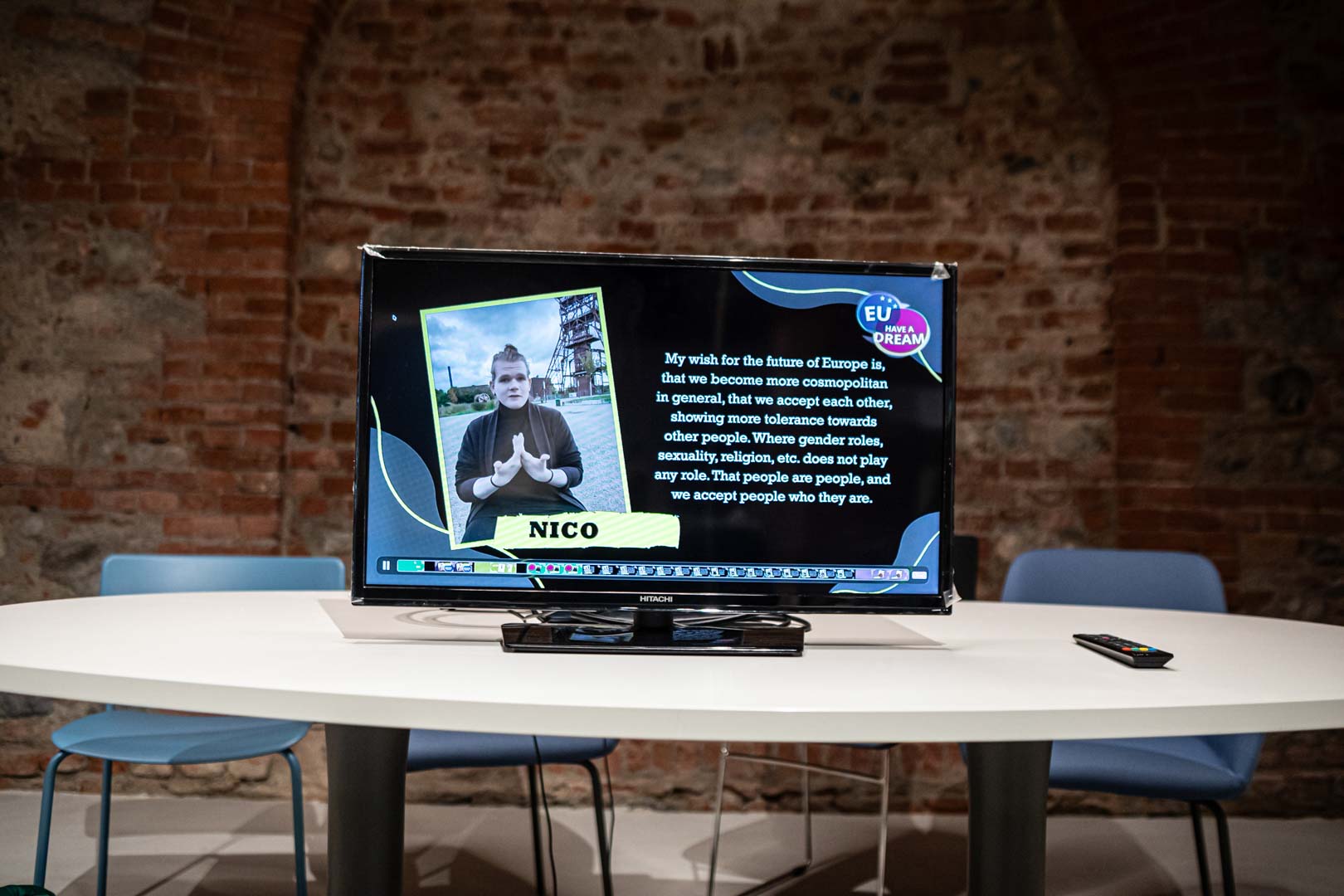
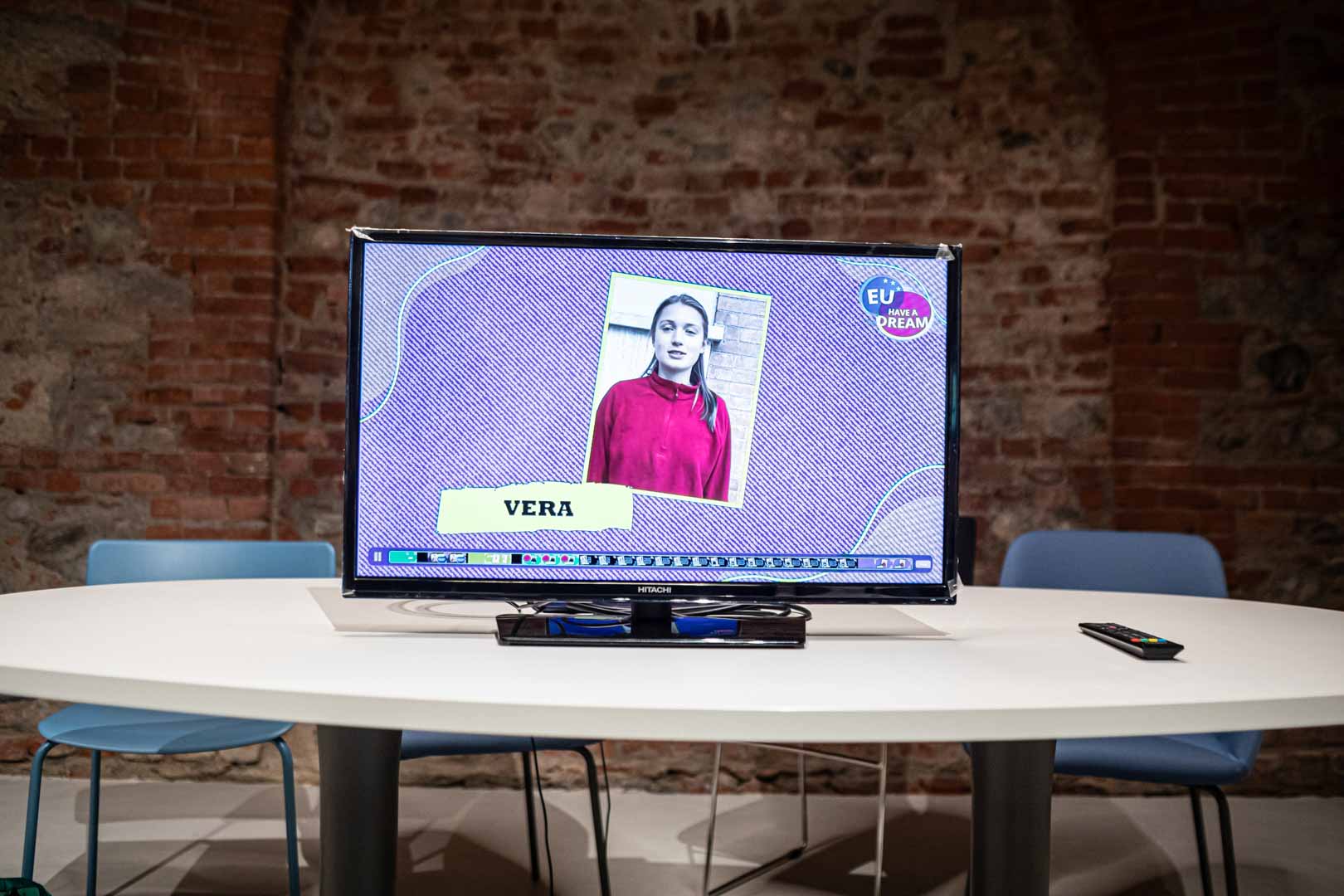
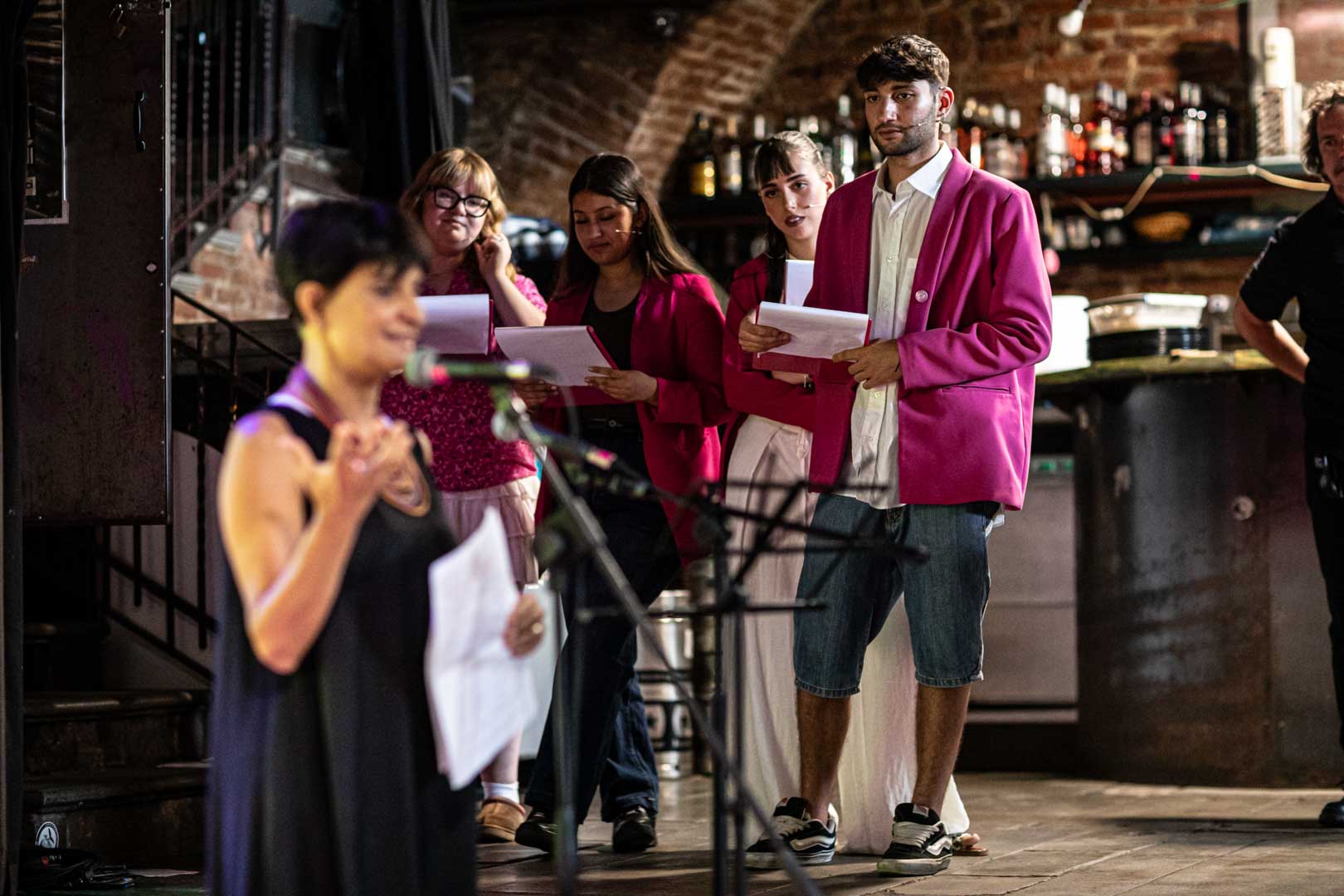
The young people portraying Vera then introduced themselves and also represented the voice of another participant from a different country.
One example given in the report was:
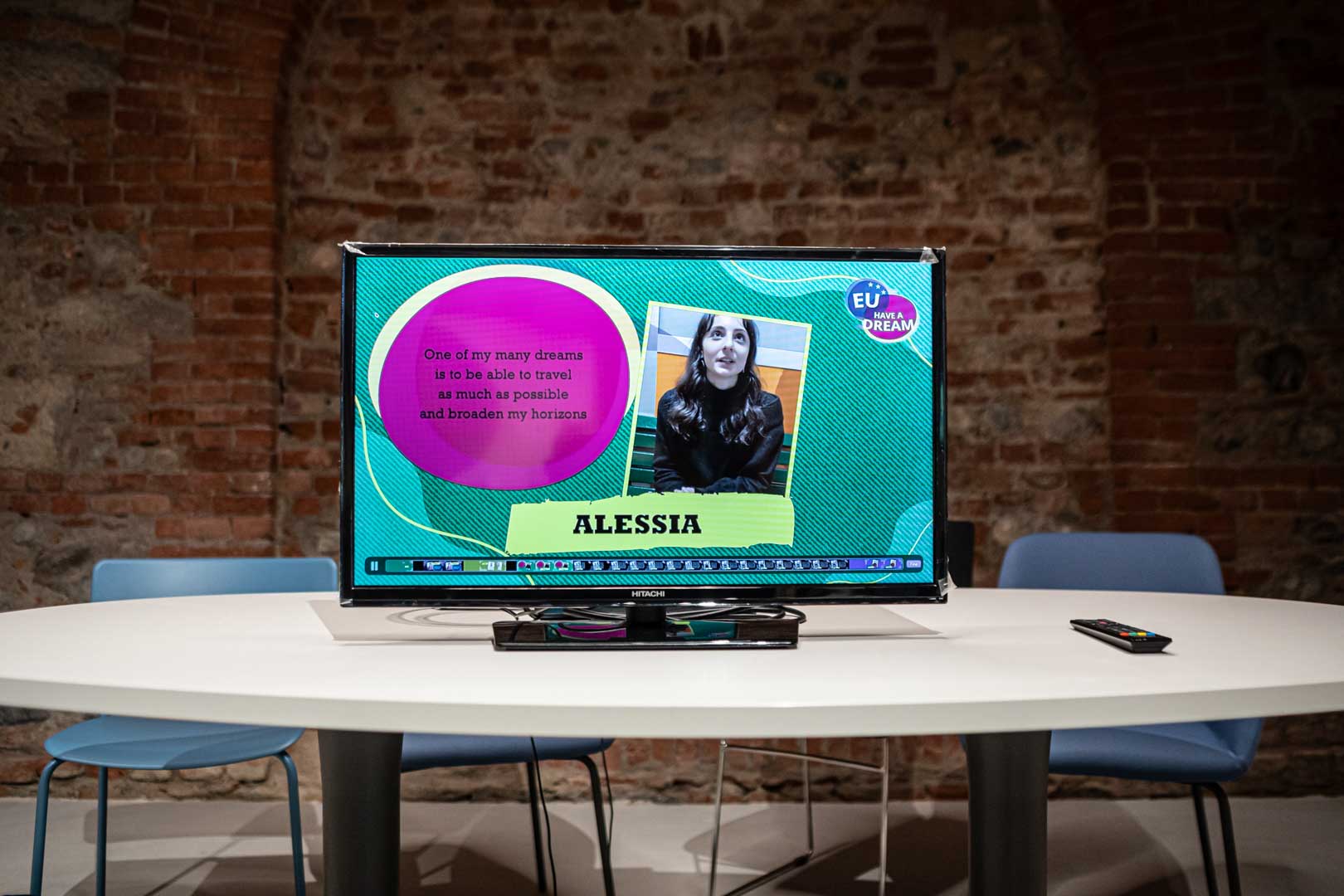
I am Alessio, I am 25 years old, I am a designer, I have designed a device to save people at sea, and today I am bringing the voice of Lara, who comes from Germany and dreams of a world without discrimination.
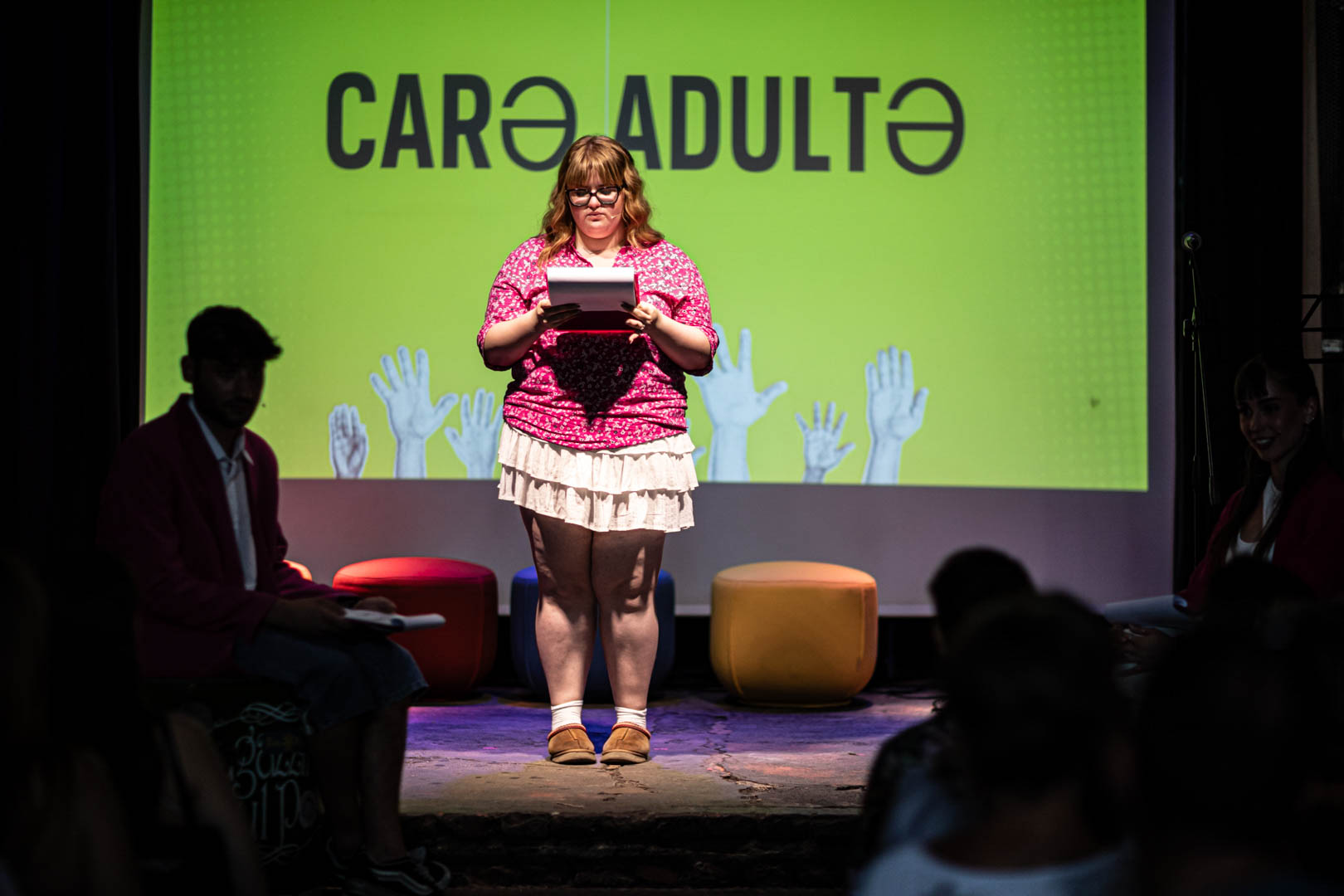
The section concluded with a Letter to Adults calling for greater dialogue and an end to harmful stereotypes.
Stimulating cultural participation
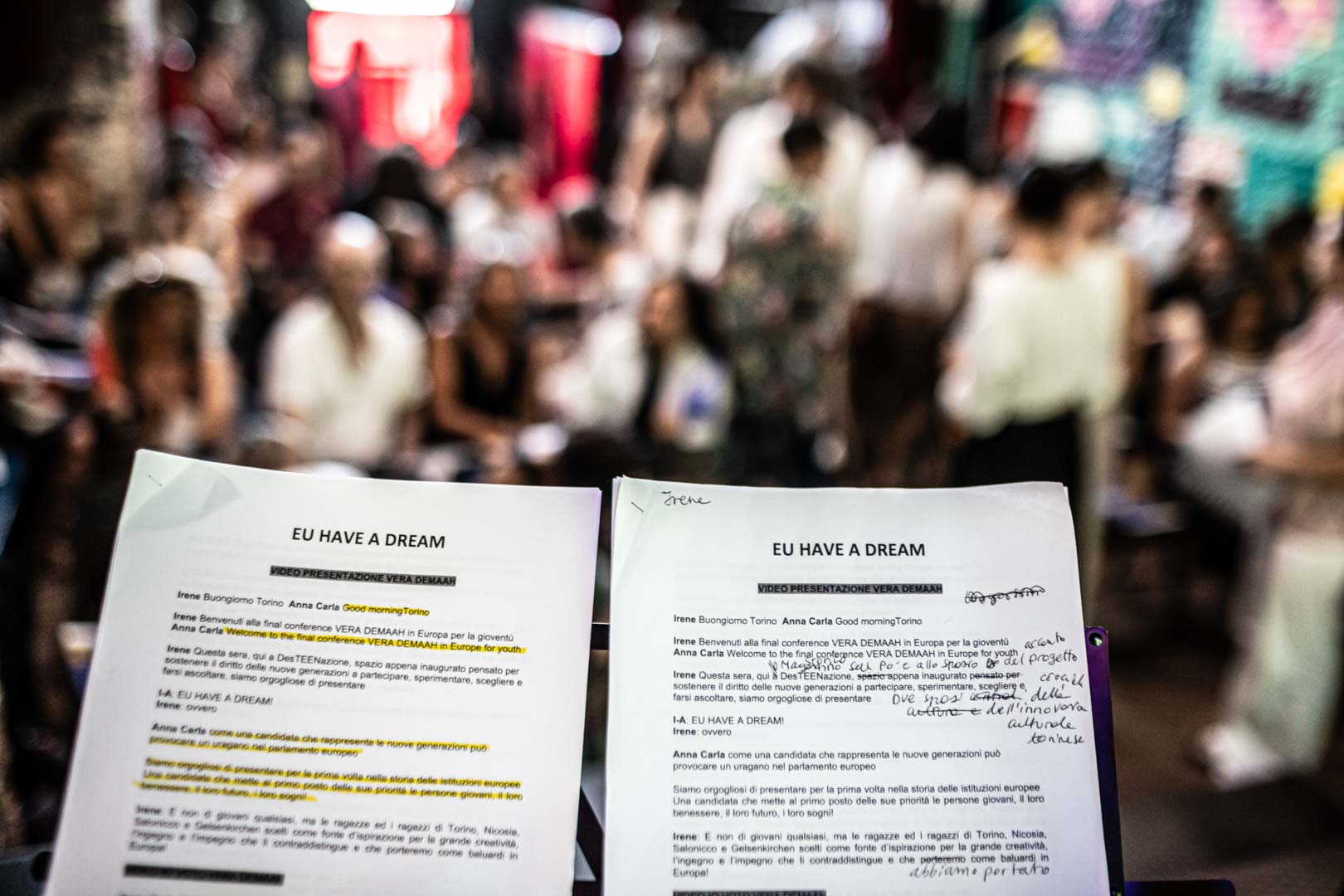
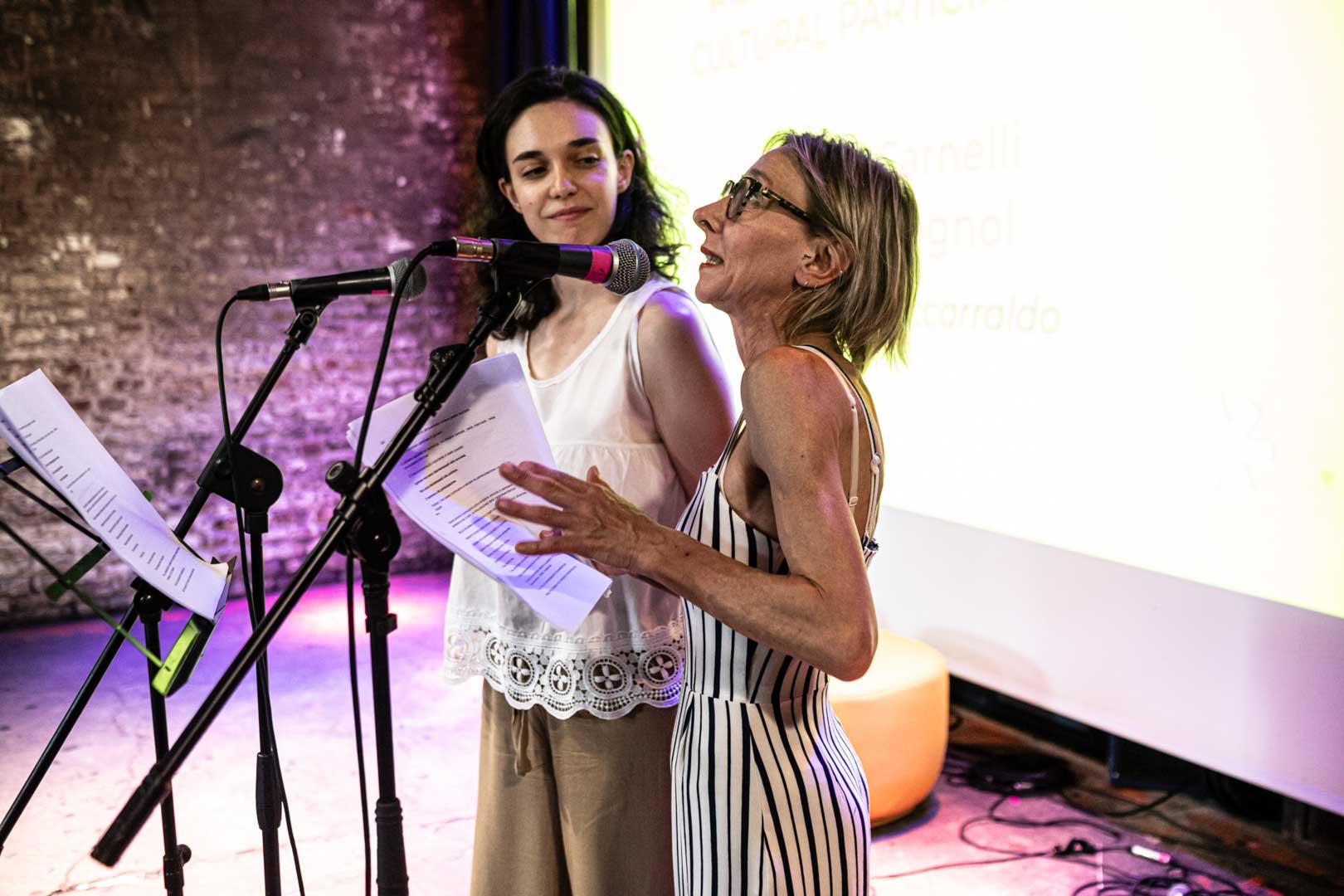
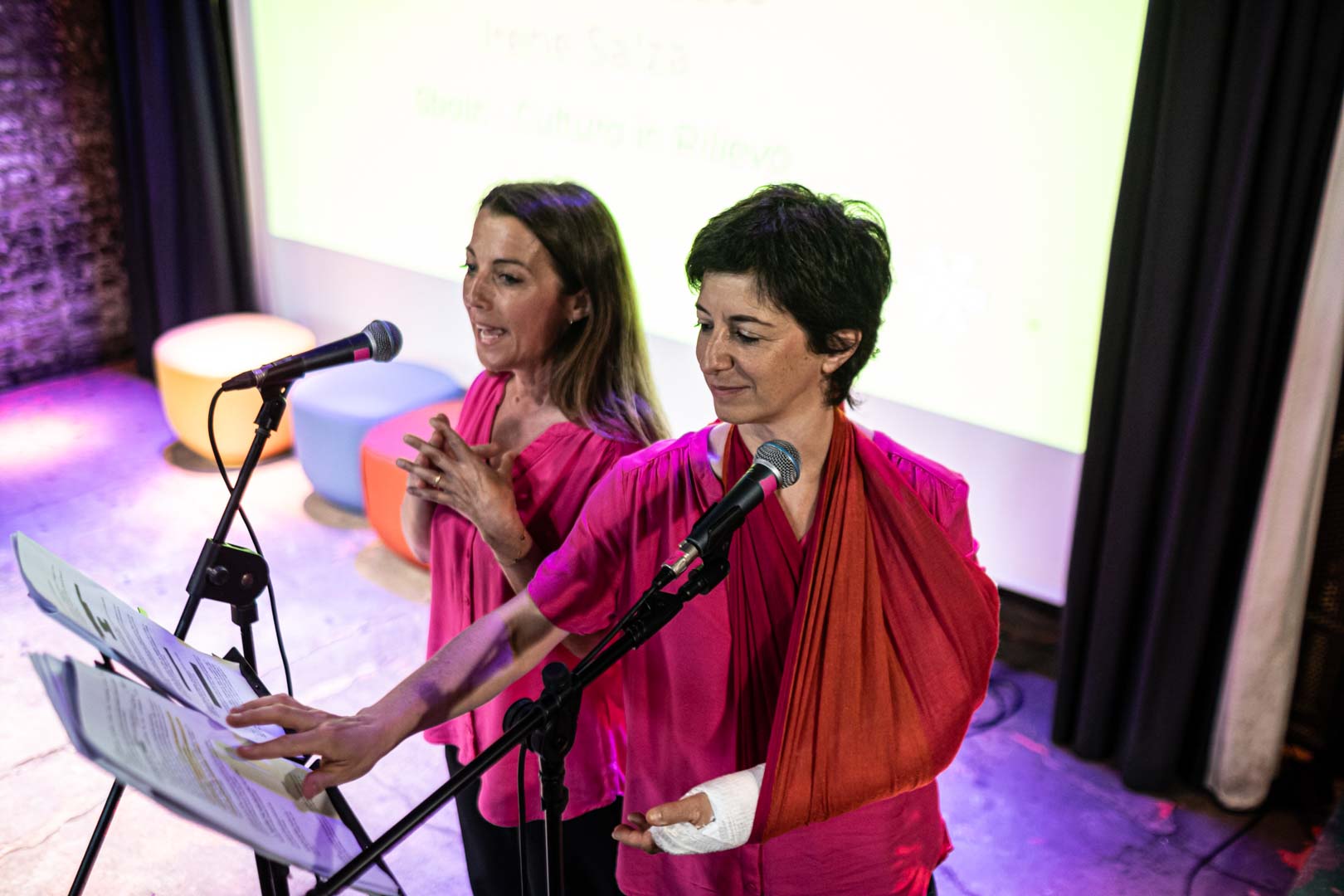
Anna Carla Bosco and Irene Salza presented the Theatre Debate methodology developed during the project.
The audience accessed a quiz through a QR code and answered questions about the Theatre Debate format.
The correct answers were then discussed, allowing participants to understand how the method works in practice.
Building civic engagement
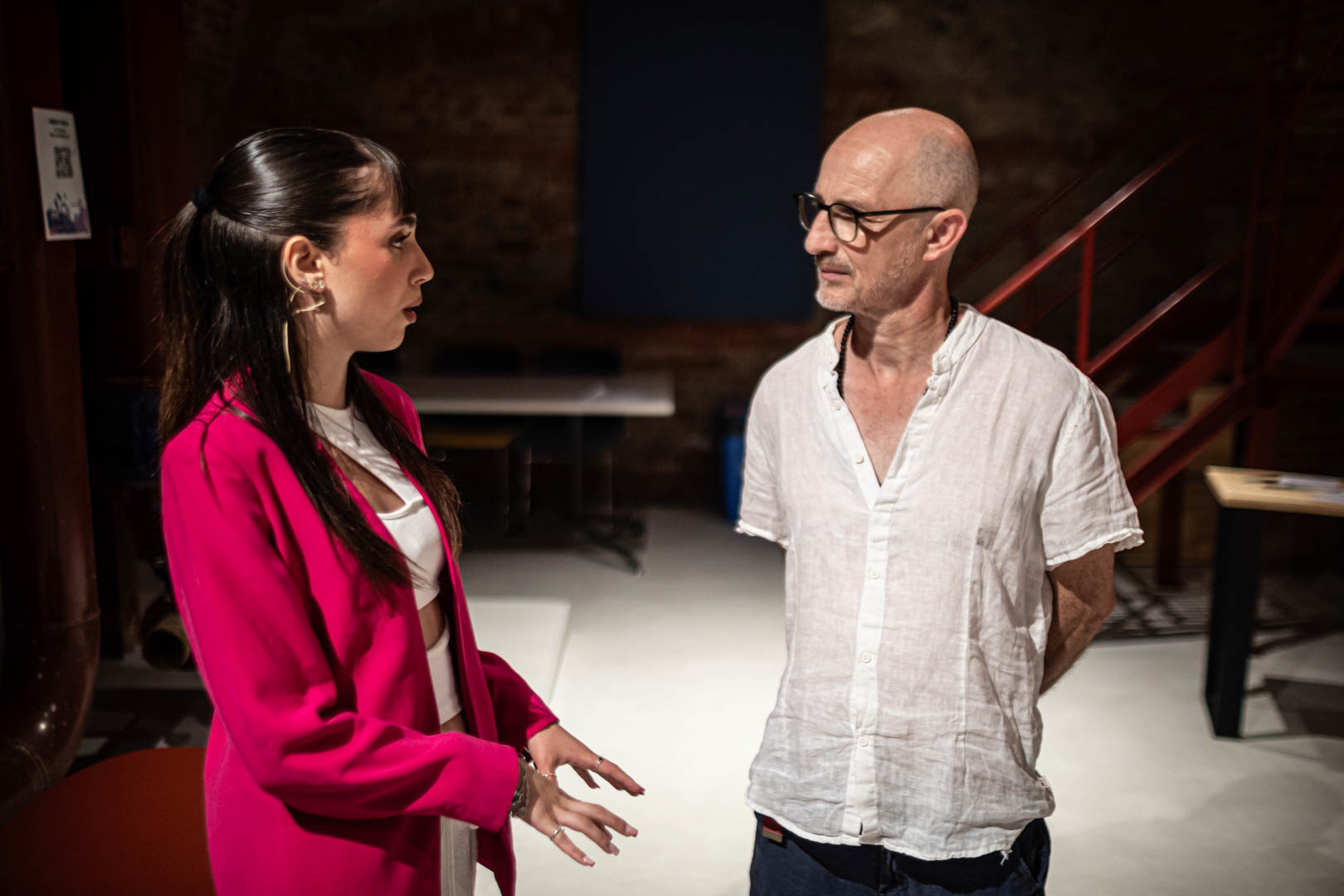
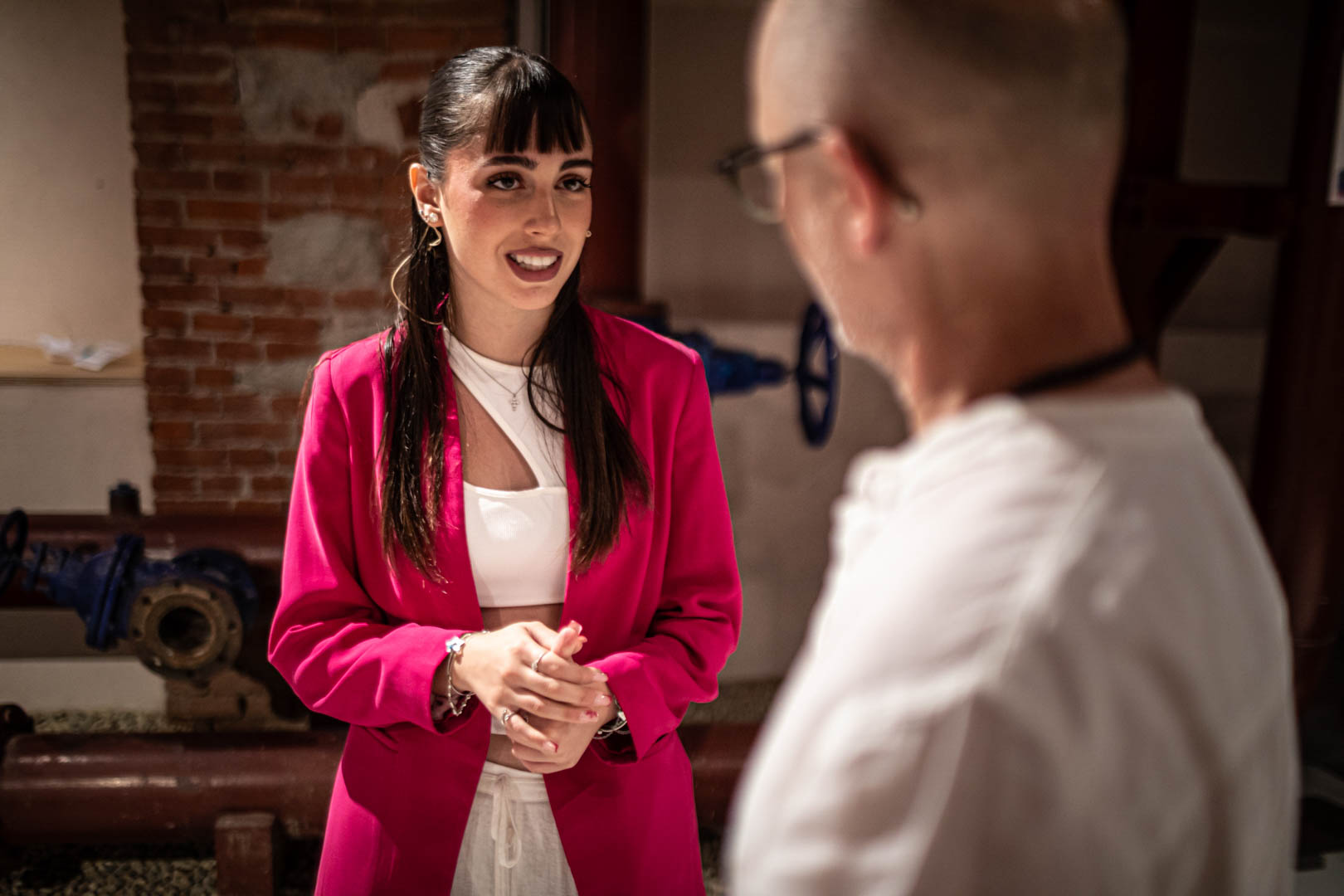
Vera Demaah held a live discussion with Carlotta Salerno, Councillor for Youth Policies of the City of Turin. The conversation focused on two themes that had emerged strongly throughout the project:
- mental health
- youth democratic participation
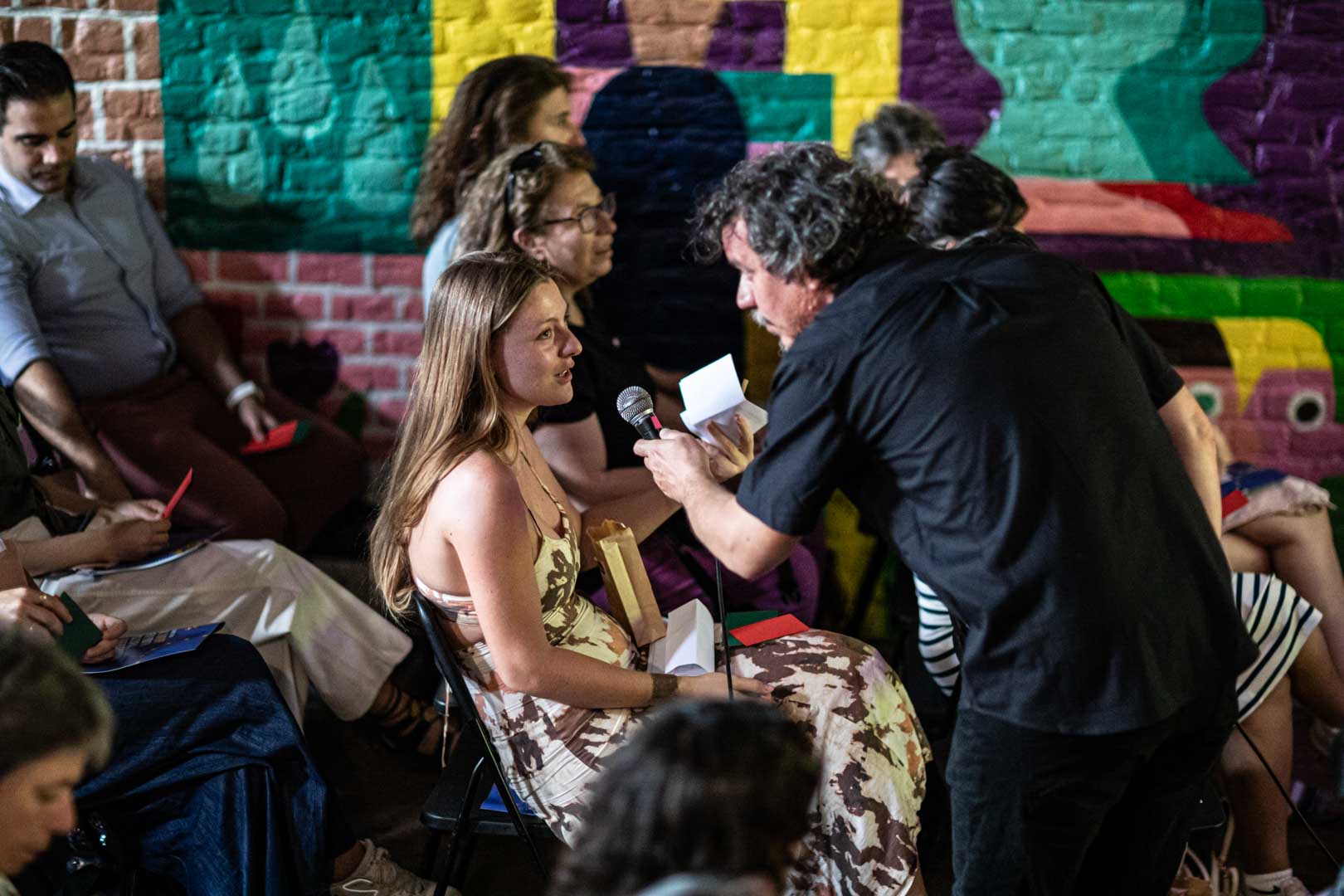
Vera asked how the City of Turin was responding to these challenges. At the end of the discussion, the audience was invited to offer suggestions to Vera, the Councillor, or both.
Infrastructure and services
Vera introduced the importance of creating physical spaces where young people can participate, meet and develop ideas.
The DesTEENazione Torino initiative was presented as an example of such a space.
The audience was then invited to consider:
- What prevents young people from participating democratically?
- What solutions could help overcome these obstacles?
Participants discussed the questions in small groups and shared their proposals.
Changing the conversation
The final point focused on the value of cooperation, networking and exchange between organisations. Representatives of the project partners were invited on stage, including:
- Theo Mavrosavva, OTI Group
- Theodora Kefaladeli, Aristotle University of Thessaloniki
- Ulrike Brockerhoff and Irina Meram, Consol Theatre
- Federico Iannuli, The Lisbon Council
- Marco Fiorito, Sbalzi
Each representative briefly shared a significant aspect of the project in their country. This section highlighted the importance of international cooperation and the value of connecting local experiences across Europe.
Audience participation
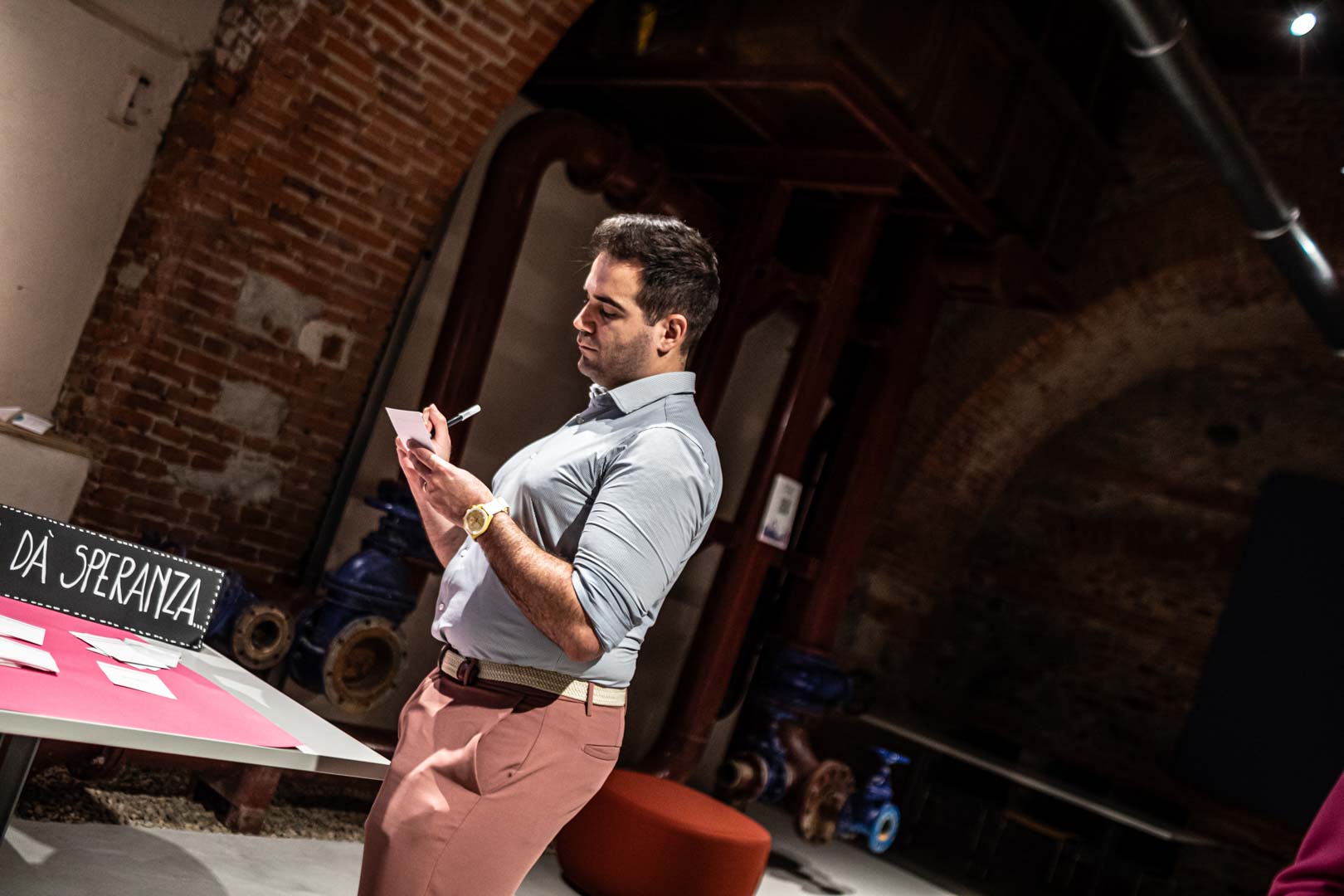
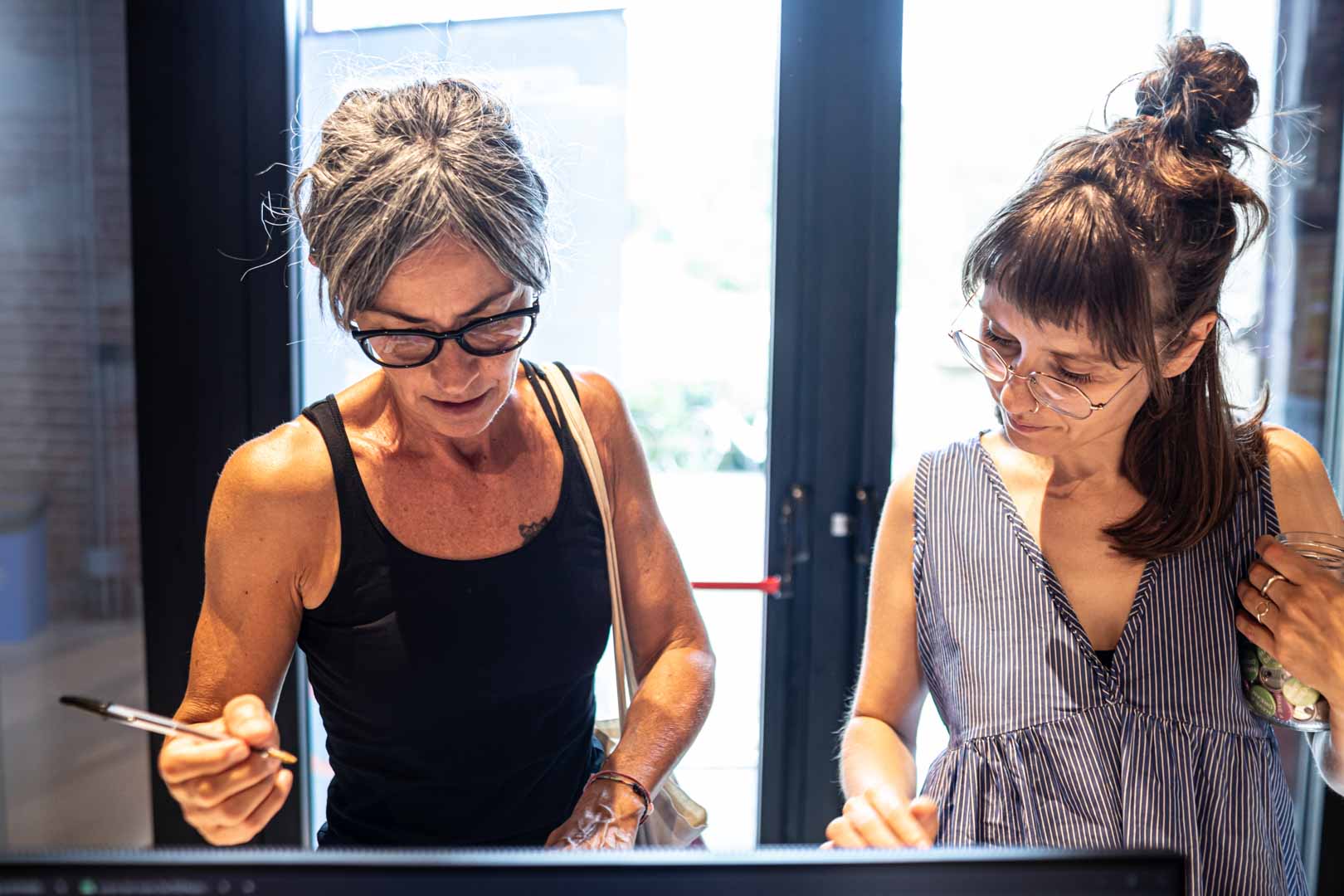
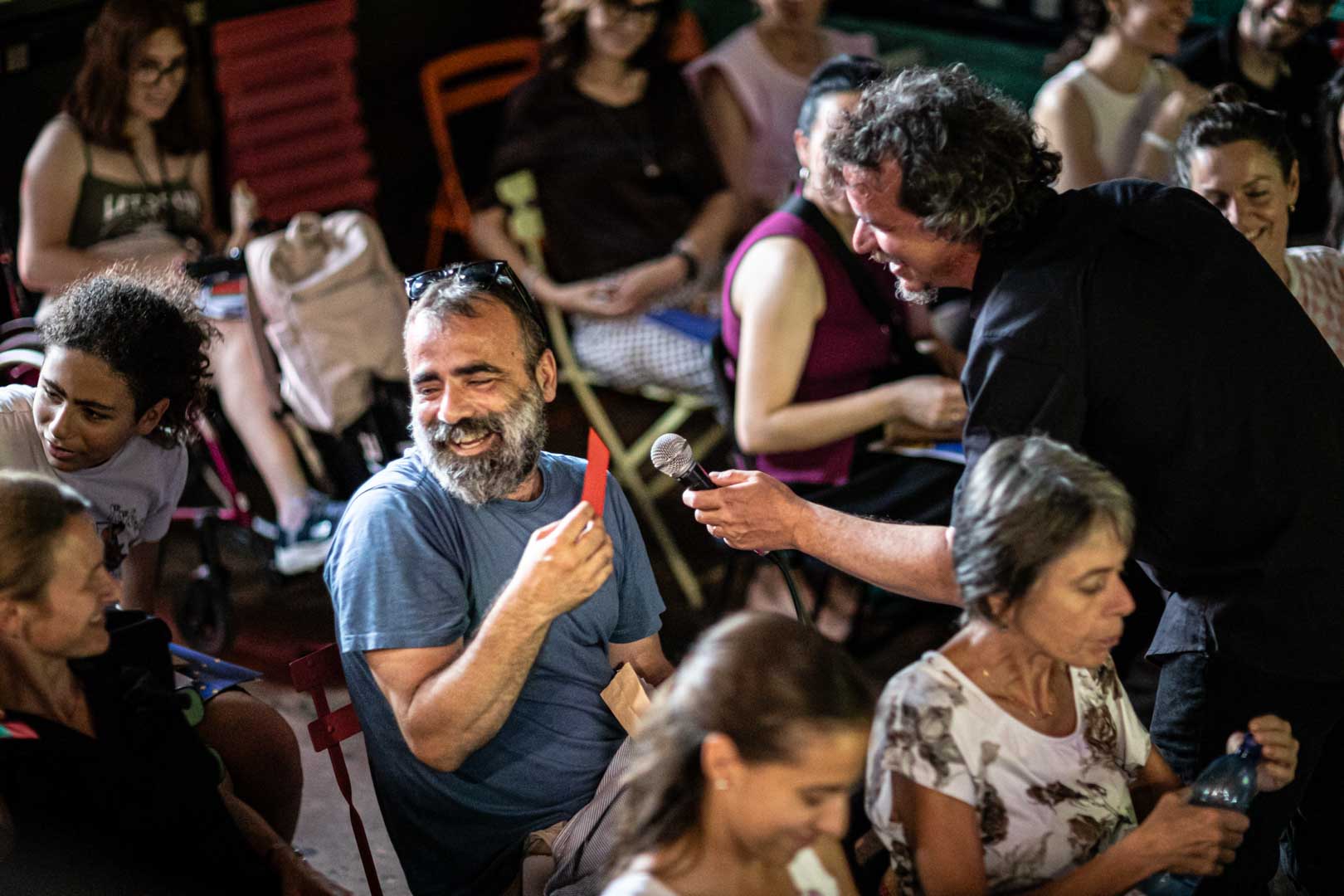
As in every Theatre Debate, each participant found an EU HAVE A DREAM BOX on their seat.
The box contained materials used throughout the performance, including:
• a pencil
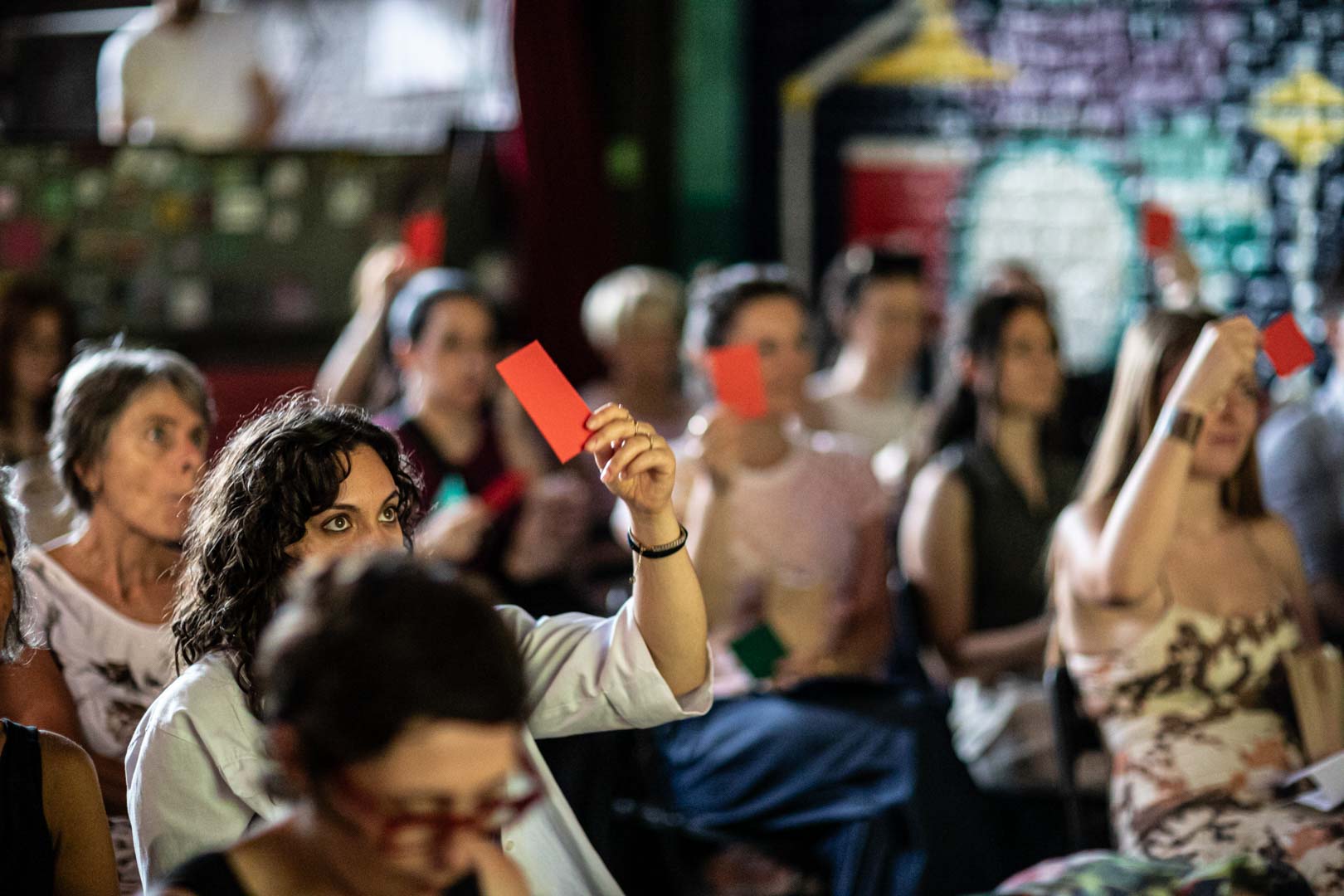
• a red voting card
• a green voting card
• a birth certificate from the Register of Dreams
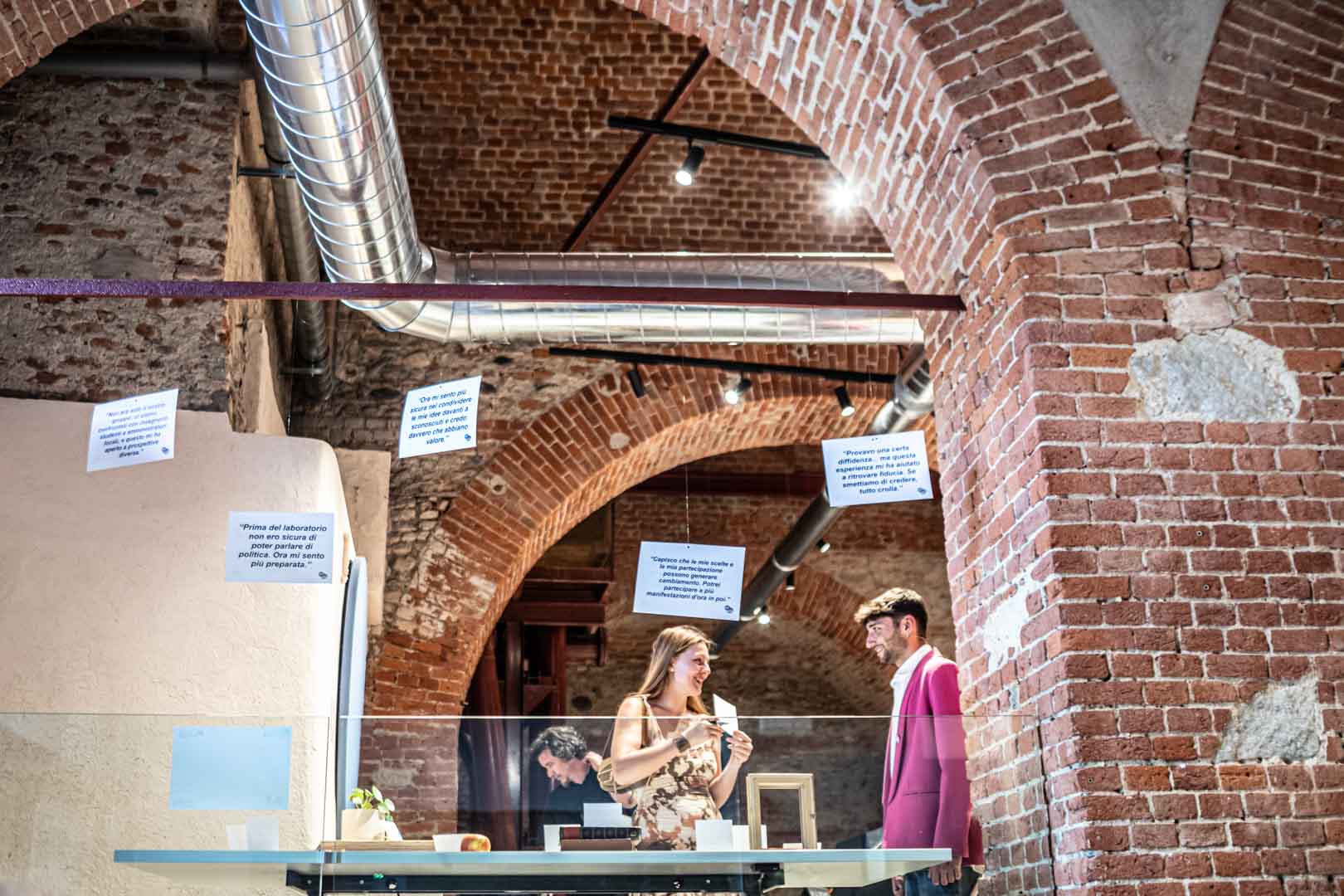
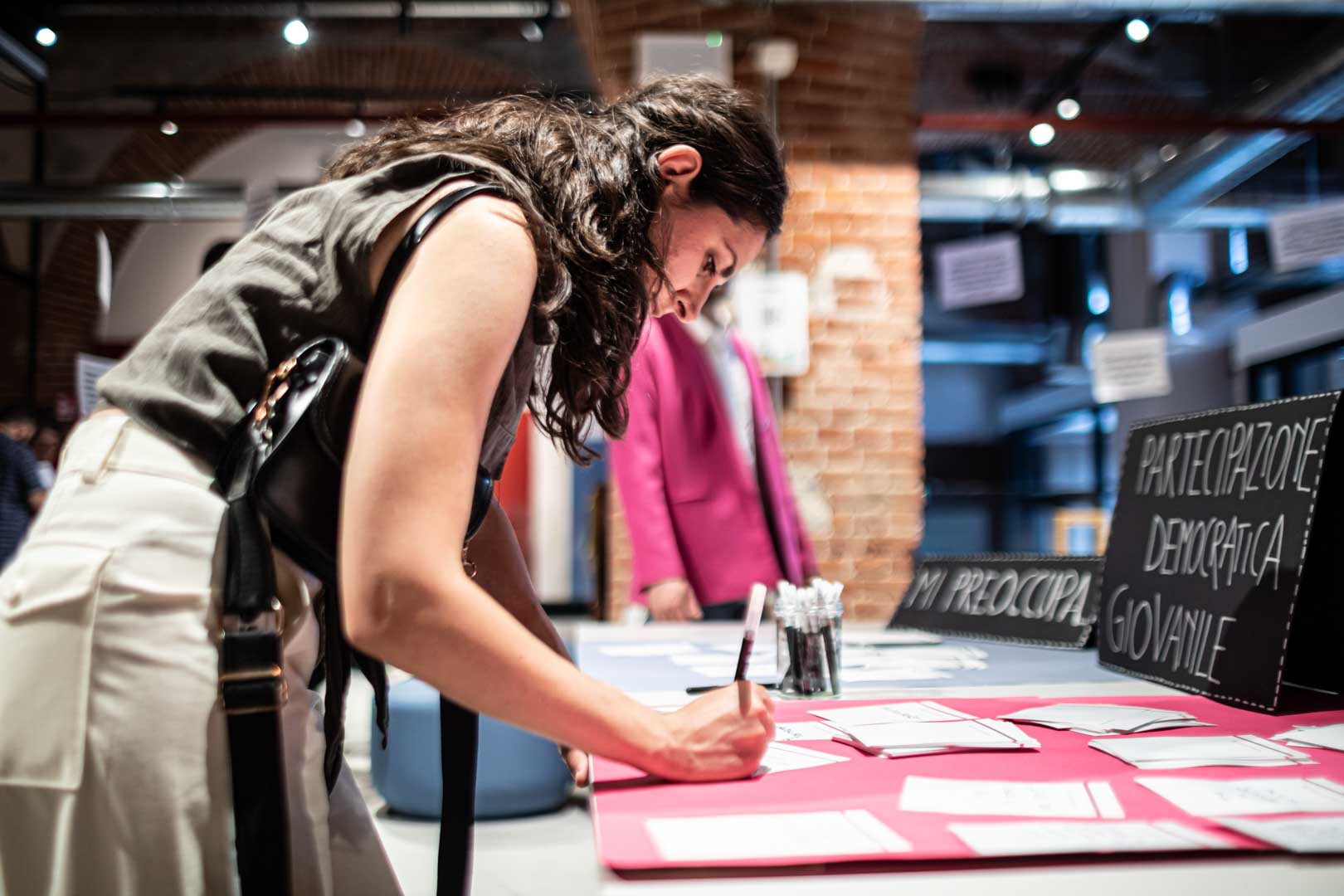
• materials for written and group activities
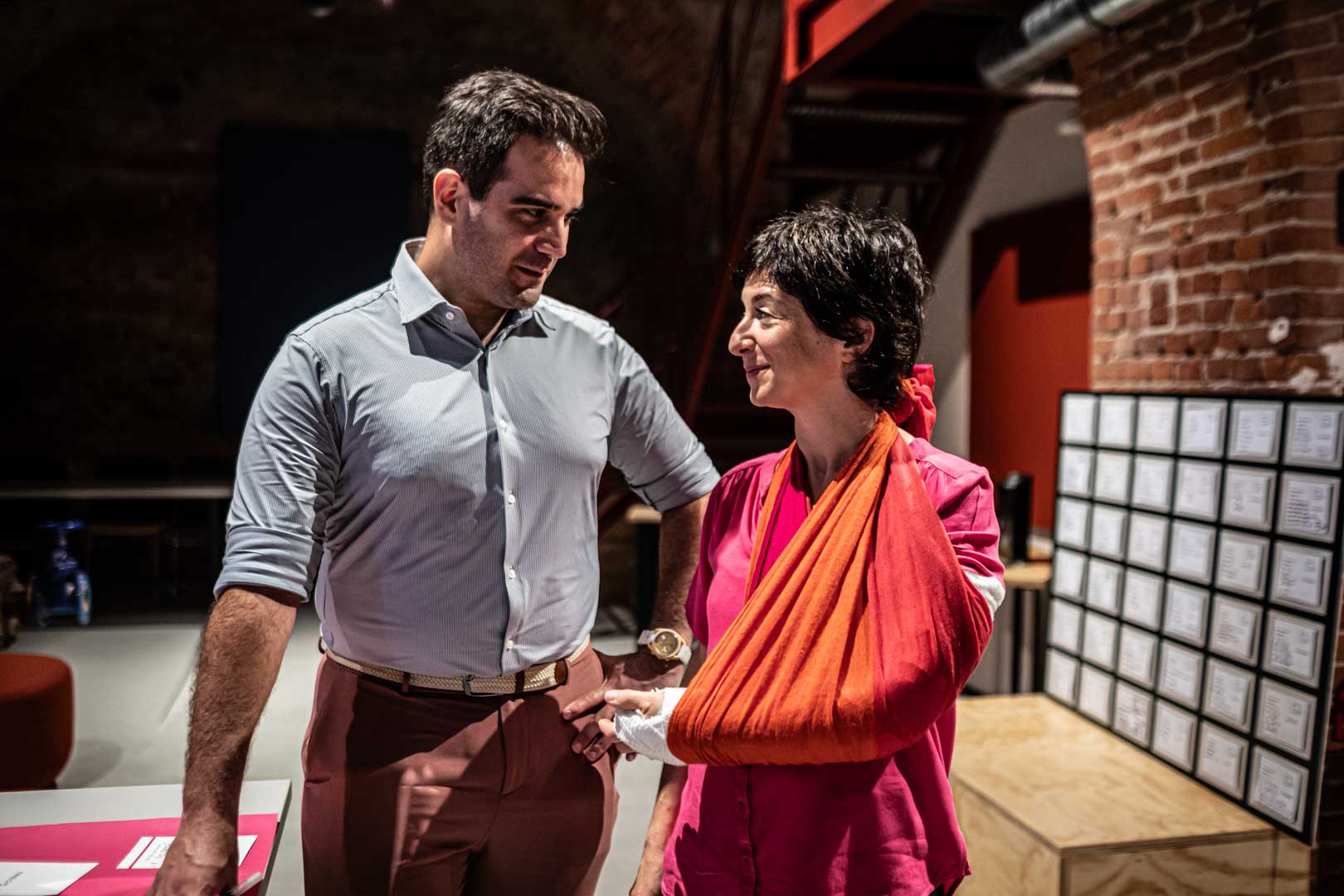
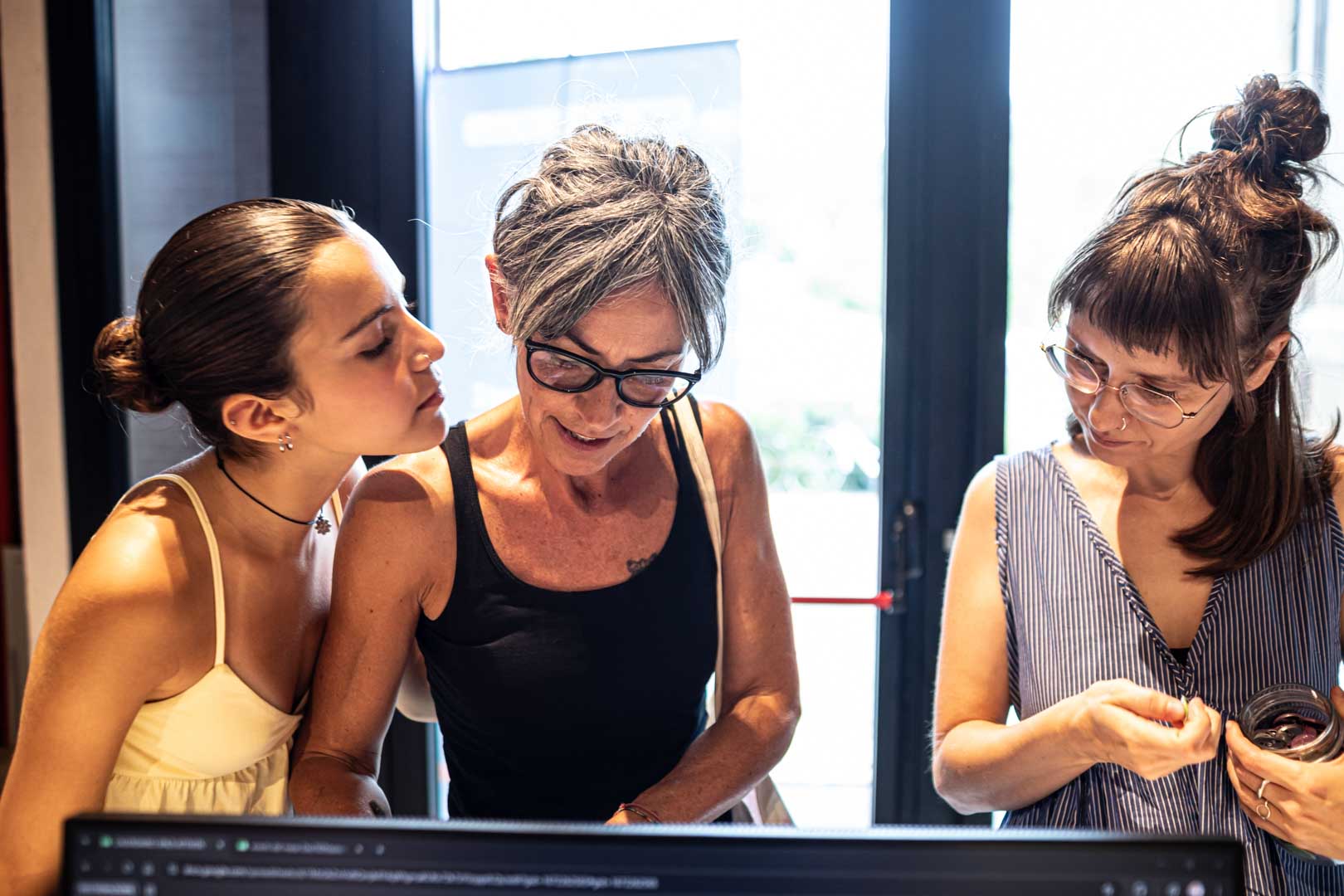
After each presentation, the audience was invited to respond.
Participants:
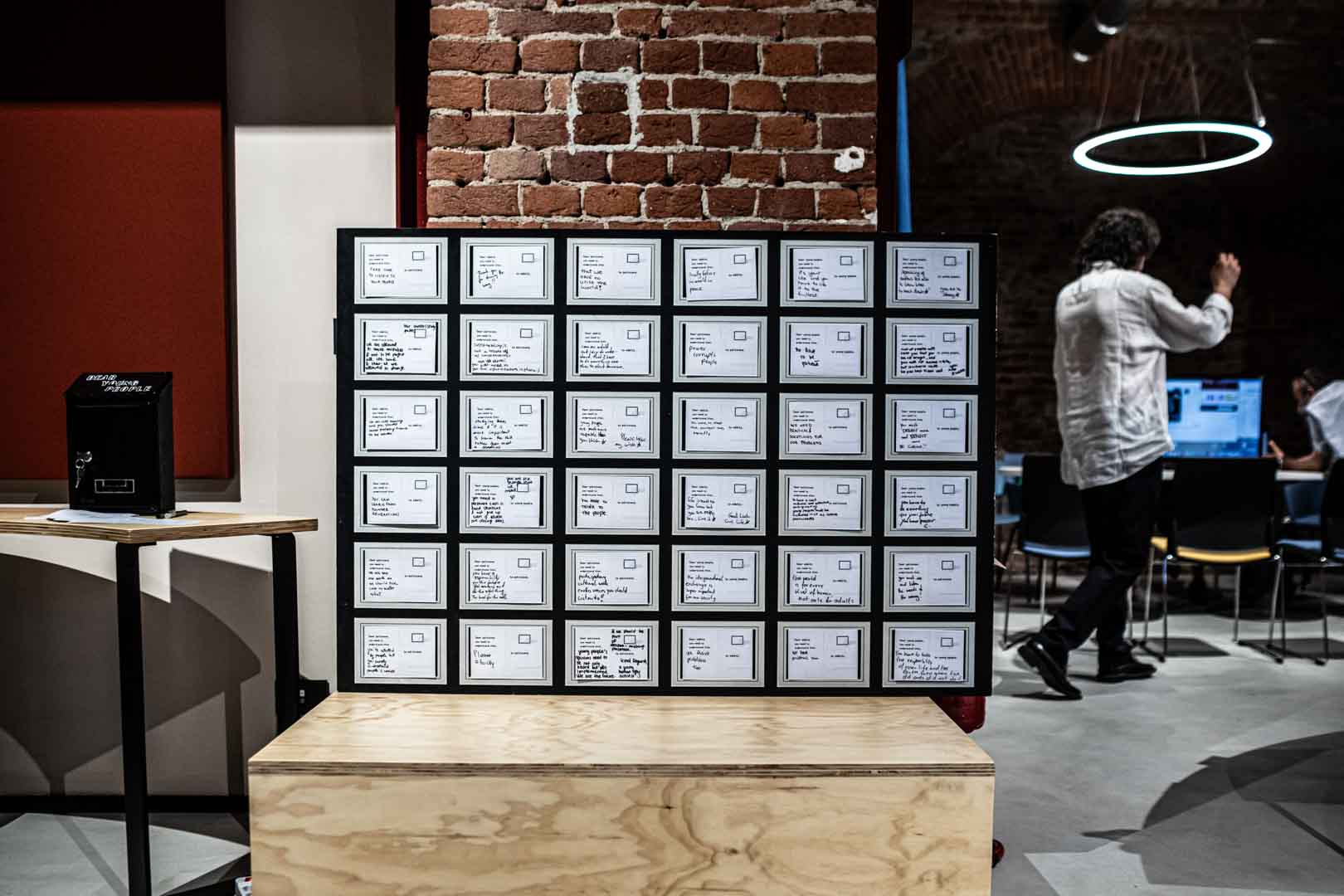
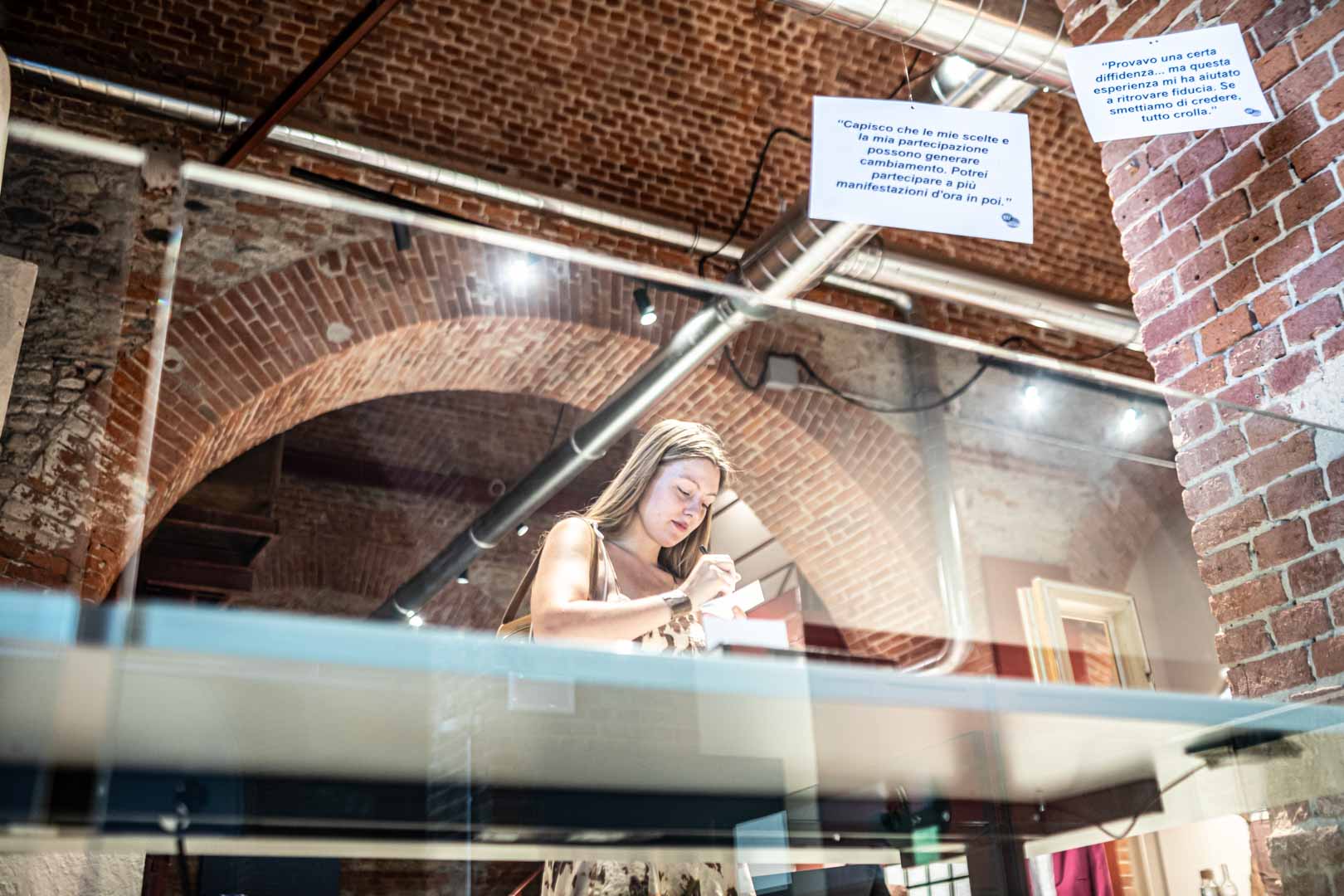
• wrote personal reflections
• voted for or against proposals
• exchanged ideas with the people seated beside them
• worked in small groups
• offered suggestions to speakers
• shared contributions publicly
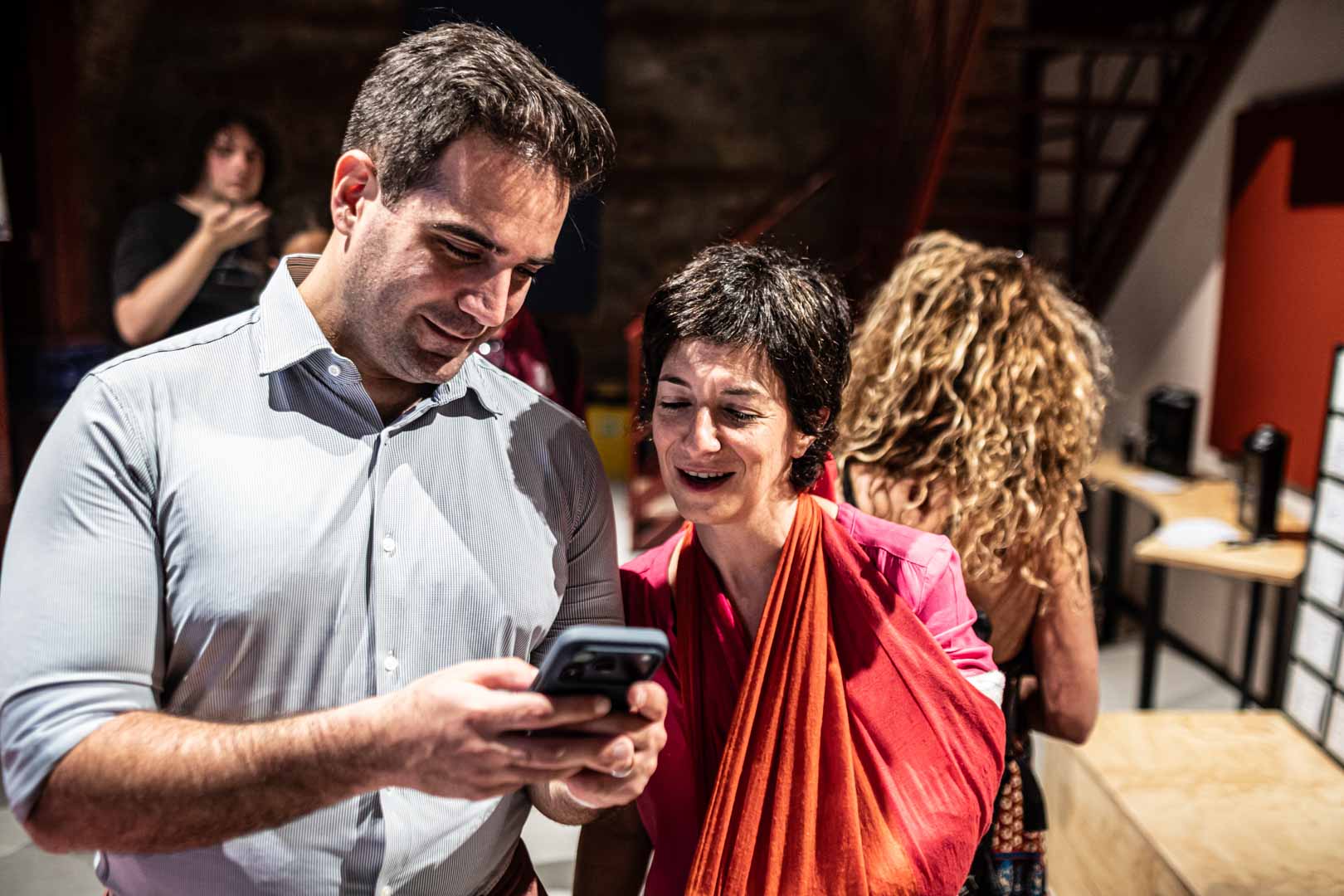
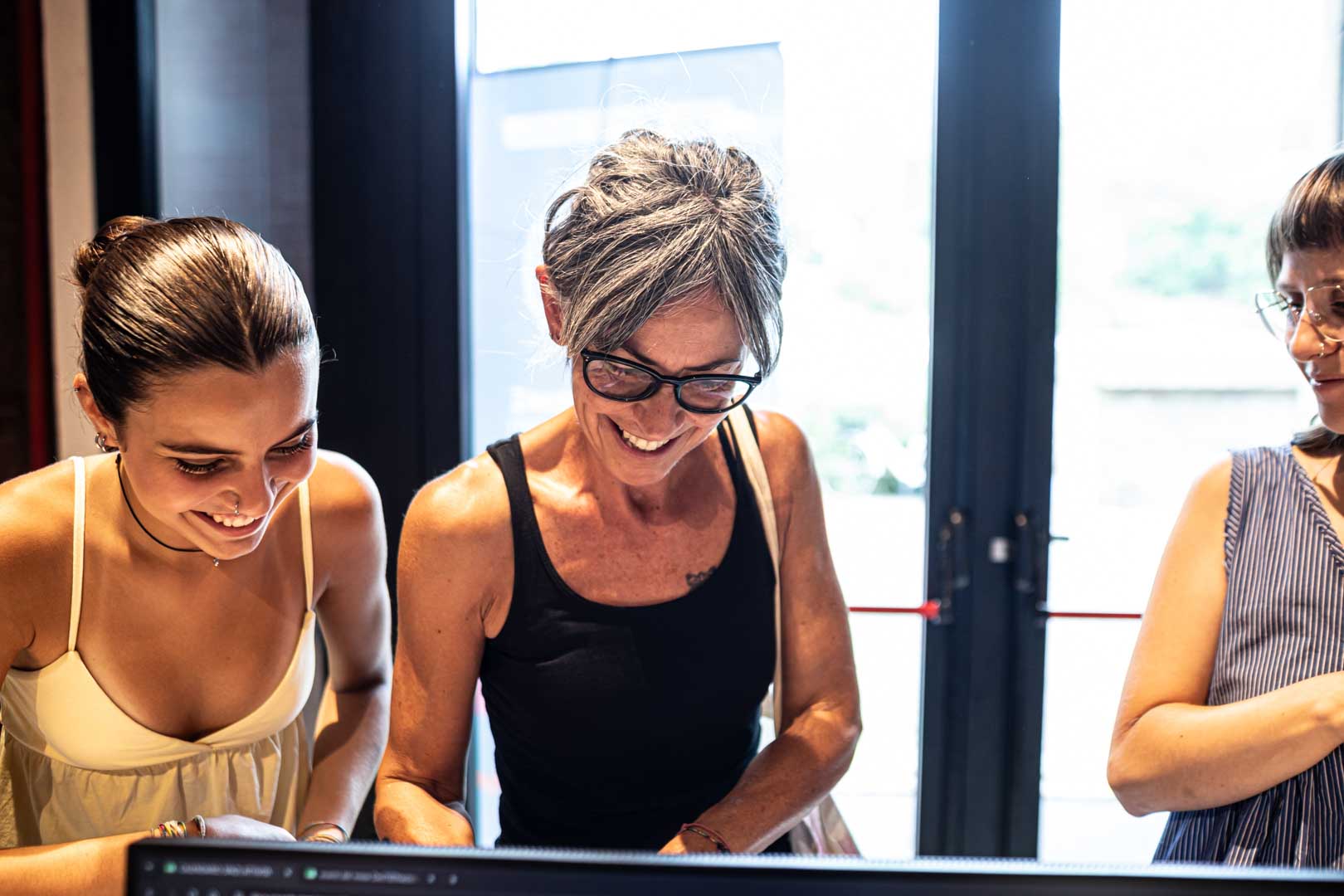
The event report describes the audience response as extremely positive and notes that participants particularly appreciated becoming active protagonists rather than passive spectators.






















Funded by the European Union. Views and opinions expressed are however those of the author(s) only
and do not necessarily reflect those of the European Union. Neither
the European Union nor the granting authority can be held responsible for them.
